
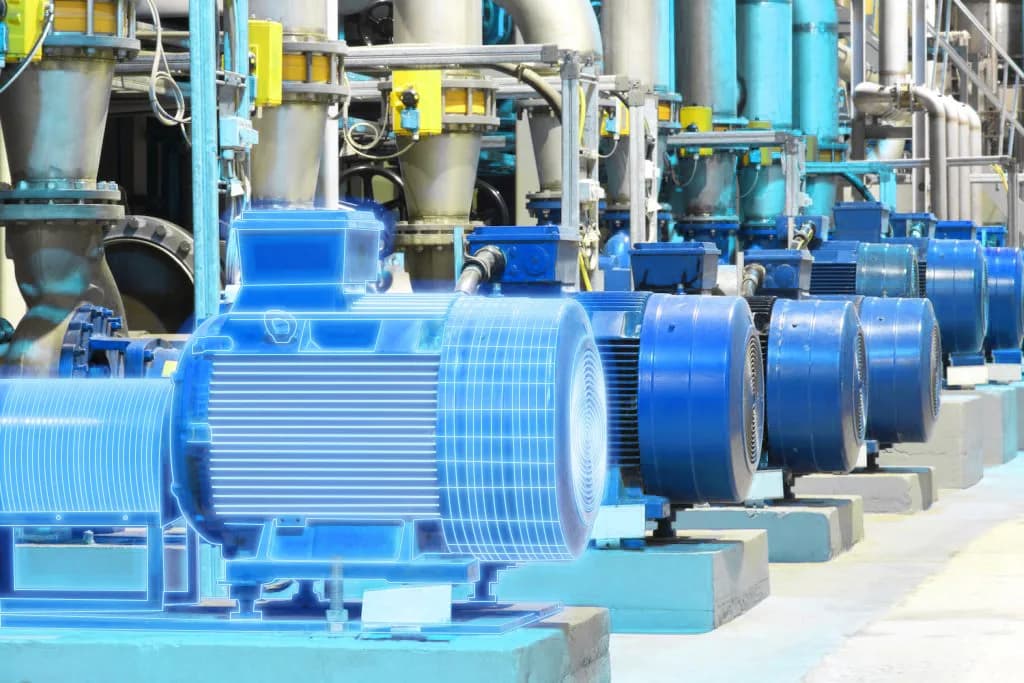
Сорғылардың кавитациясы: ESA мен ультрадыбыс бірін-бірі қалай толықтырады
SDT ультрадыбысы сорғы корпусындағы көпіршіктердің жарылуын естиді, Artesis ESA ток бойынша ПӘК төмендеуі мен жүктеме аномалиясын көреді. ЖЭО, су арналары және ГОК үшін бірлескен әдістеме — жалған тоқтауларсыз.
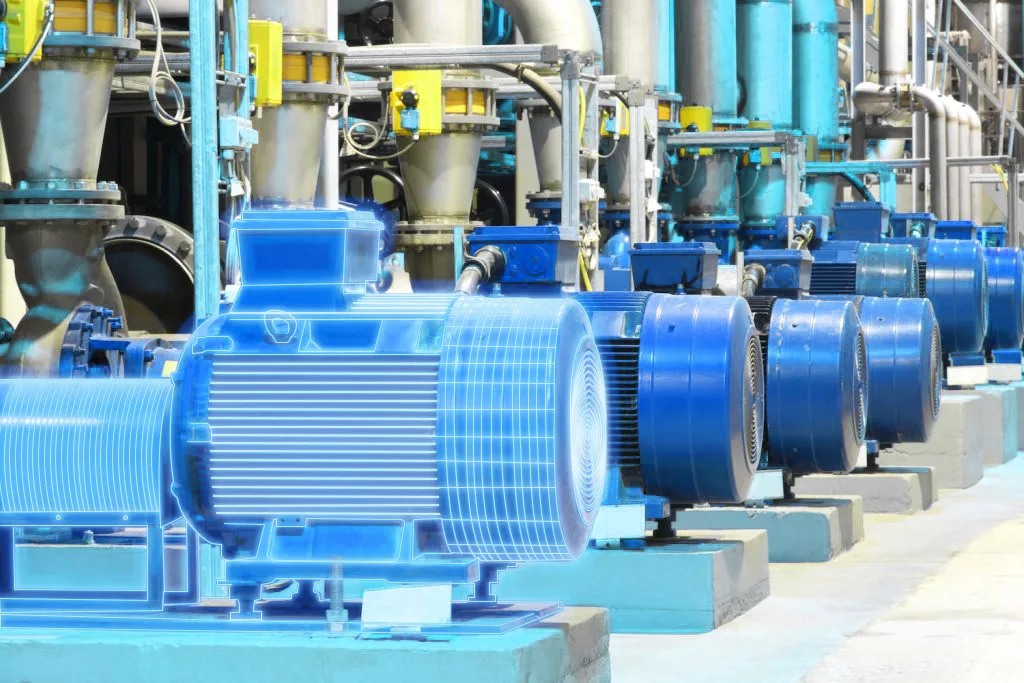
Негізгі физика мен кавитацияның алты белгісі «Сорғы кавитациясы: 6 белгі» мақаласында талданған. Мұнда — жиі бөлек сатып алынып, бөлек қолданылатын екі әдісті біріктіру практикасы: SDT ультрадыбысы және Artesis ESA.
Әр әдіс нені өлшейді
| SDT340 ультрадыбысы | Artesis ESA | |
|---|---|---|
| Сигнал | жарылу / турбуленттілік акустикасы | ток, кернеу, қуат, модель |
| Датчик қайда | сорғы корпусы / сору жолы | қозғалтқышты басқару қалқаны |
| Күшті жағы | локализация және ерте акустика | ПӘК тренді, жүктеме, электрика |
| Әлсіз жағы | машинаға қол жеткізу керек | «дөңгелектің қай жерінде» екенін көрсетпейді |
Кавитация бір мезгілде акустикалық және энергетикалық құбылыс. Бір әдіс екіншісін растайды.
Нысандағы жұмыс алгоритмі
1. ESA (e-MCM) онлайн-алерті
Artesis e-MCM мыналарды тіркейді:
- сол берілісте токтың өсуі (ПӘК төмендеуі);
- момент тұрақсыздығы;
- «кавитация / BEP-тен тыс жұмыс» процестік мәртебесі.
Бұл — секундтар емес, күндер–апталар терезесі.
2. Нысаналы SDT ультрадыбысы
SDT340 бар инженер растайды:
- сору жолы мен ұлу корпусындағы тән «қиыршық тас» / ысылдау;
- көрші ақаусыз сорғымен салыстыру;
- ысырманы / ыдыстағы деңгейді өзгерткеннен кейінгі dBµV тренді.
3. ЖЖҚ әрекеті
«Кез келген жағдайда тоқтату» емес, мыналарды тексеру:
- сору ыдысындағы деңгей / NPSHa;
- сүзгінің / тордың бітелуі;
- ЖТ режимі (айналым тым төмен);
- сору жолындағы ауа.
Мақала тақырыбы бойынша жабдық
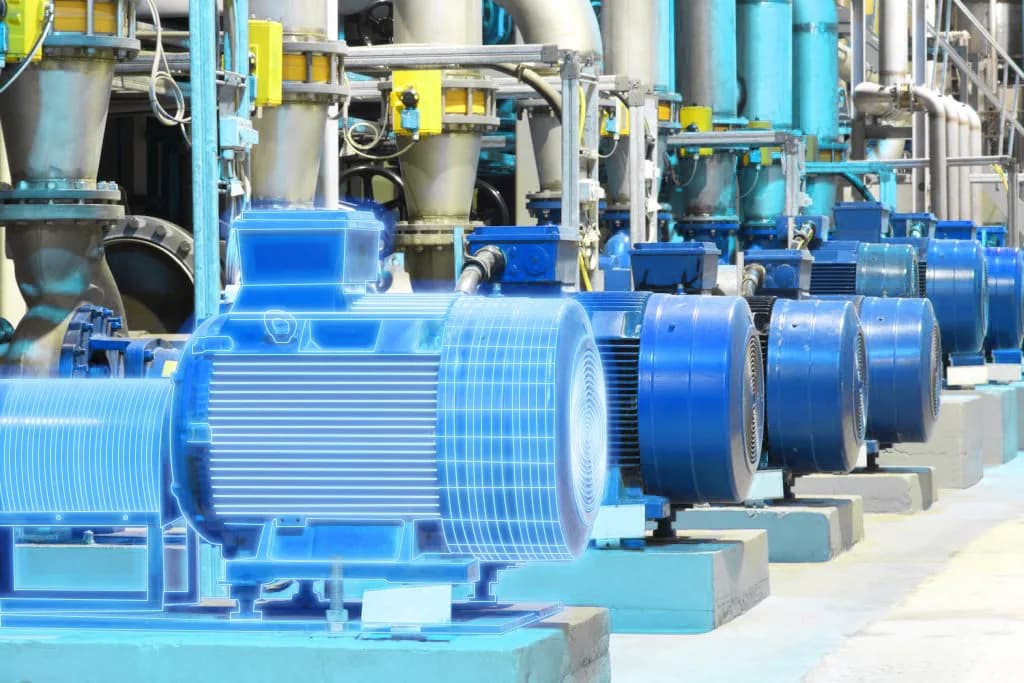
Artesis e-MCM — сенсорсыз онлайн қозғалтқыш мониторингі
AI және цифрлық егізбен сенсорсыз электр қозғалтқыштарын онлайн мониторингтеу
Байланыс әсіресе қайда пайдалы
- ЖЭО — конденсат, қоректендіру, циркуляциялық сорғылар.
- Су арналары — батырмалы станциялар (діріл неге әлсіз).
- ГОК — шлам және қалдық сорғылары.
- Химия — тұтқырлығы өзгермелі агрессивті орталарды айдау.
Салалық шолу: Artesis салалар бойынша, ЖЭО-дағы SDT.
4 сорғыдағы пилот
- 4 критикалық сорғыға e-MCM орнатыңыз.
- Қалыпты режимде ультрадыбыстық базалық сызық алыңыз.
- ESA сары мәртебесінде — сол күні міндетті SDT өлшеуі.
- 90 күннен кейін есеп: кавитация жұмыс дөңгелегі эрозияға дейін неше рет ұсталды.
Қозғалтқыштар пилотының жоспары: e-MCM 90 күн. Онлайнсыз парк үшін алдымен AMT Pro.
Қорытынды
ESA «сорғы нашар жұмыс істейді» деген сұраққа, ультрадыбыс «бұл дәл қазір осы жердегі кавитация» дегенге жауап береді. Бірге олар жалған тоқтауларды азайтады және тек жұмыс дөңгелегін ауыстырып қоймай, себебін (NPSH, сүзгі, режим) жөндеуге мүмкіндік береді.
Қосымша: ESA vs діріл, SDT340 гидравликада.
Мақаладағы жабдық
Қазақстанға жеткізу бағасы мен мерзімін KEG TRK сұрау бойынша хабарлайды. Сіздің міндетіңізге коммерциялық ұсыныс дайындаймыз.
Artesis e-MCM — сенсорсыз онлайн қозғалтқыш мониторингі
AI және цифрлық егізбен сенсорсыз электр қозғалтқыштарын онлайн мониторингтеу
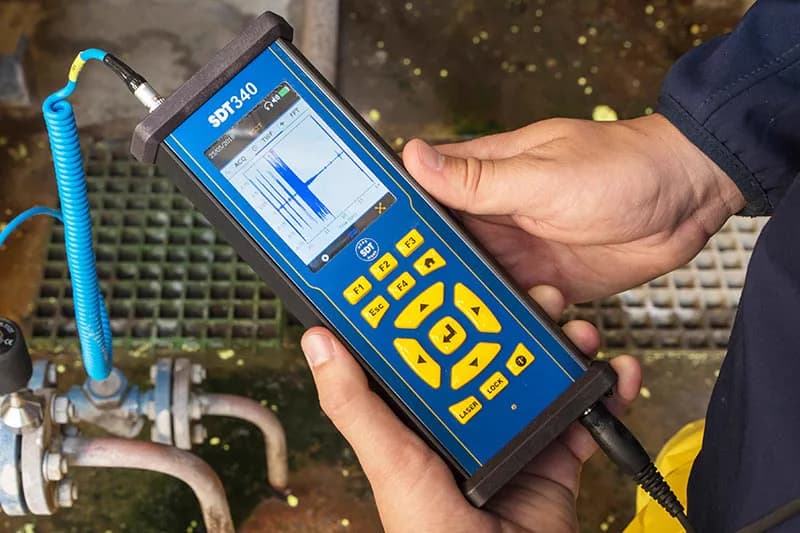
SDT340 - Озық ультрадыбыстық детектор
Деректерді жинау, талдау және трендтеу үшін ең озық ультрадыбыстық детектор
Мақалада сондай-ақ: Artesis AMT Pro — портативті электр қозғалтқыш тестері
Оқыңыз да
17.07.2026
Конвейерлердің белдікті жетектері: бір нысанда SDT ультрадыбысы және Artesis ESA
Белдік керілуі, шкивтердің тозуы, барабанның теңгерімсіздігі және жетек қозғалтқышының мойынтіректері — ГОК пен байыту фабрикаларының таспалы конвейерлерінде SDT340 ультрадыбыстық маршрутын және Artesis мониторингін қалай біріктіру керек.
17.07.2026
Прокат станын мониторингтеу: қосалқы және негізгі жетек қозғалтқыштарына арналған ESA
Қазақстанның прокат стандарында діріл ірі клетьтерді жабады, бірақ рольгангтердің, орағыштардың және салқындату сорғыларының қозғалтқыш паркі жиі предиктивті бақылаусыз қалады. Artesis e-MCM және AMT Pro дірілдік мониторингті қалай толықтырады.
30.06.2026
Конвейерлер, дымосостар және желдеткіштер: Artesis e-MCM металлургия мен ТЭЦ-те
Жолақты конвейерлер және ID/FD желдеткіштер — жоспарсыз тоқтау қымбат. ESA подшипник, несоосьтылық және ластануды валда датчиксіз қалай анықтайды.