
Rotary kiln monitoring
Rotary kiln diagnostics: ultrasonic checks on support rollers and girth gears, lubrication control and drive monitoring for cement clinker production.

Rotary kilns: continuous production in extreme conditions
A cement rotary kiln is one of the largest and most complex machines in industry. Shell diameter is 4–6 m, length 50–200 m, mass 500–2000 tonnes. Internal temperature reaches 1450°C; external shell temperature 200–350°C.
Clinker kilns run 24/7; planned shutdowns occur 2–4 times per year. An unplanned stop costs $50,000–200,000 per day in lost production plus emergency repair.
Critical monitoring points
Support rollers and bearings
The kiln rests on 2–5 pairs of support rollers. Each pair carries 200–1000 tonnes. Bearings run under constant load, vibration from unbalanced masses and elevated temperature.
Signs of support roller bearing wear:
- Ultrasonic level rise of 6–8 dB — warning
- Bearing temperature above limit — alarm
- Uneven ultrasonic signal — race scoring
SDT340 with high-temperature probes enables checks in service. Critical points are surveyed weekly.
Girth gear and main drive
The kiln is driven through a girth gear on the shell. Mesh with the pinion creates impact loads every revolution.
SDT340 monitors:
- Girth gear tooth condition (pitting, scuffing)
- Gearbox bearings
- Backlash (via ultrasonic level changes)
Bands and flutter
Bands are steel rings on the shell that roll on support rollers. Band flutter (periodic sliding due to thermal expansion mismatch) is detected by SDT340 from its characteristic ultrasonic pattern.
Lubrication with LUBExpert
Support rollers and bearings need systematic greasing. On a large kiln with four supports there are eight bearing stations plus girth gear mesh.
LUBExpert shortens service time and ensures the right grease quantity per point — critical at high temperature where grease viscosity matters.
Artesis EMCM for kiln drives
Artesis EMCM continuously analyzes main drive motor current. Load changes reflect:
- Refractory condition
- Clinker buildup (imbalance)
- Gearbox and mesh defects
- Kiln axis drift from uneven thermal expansion
Results in cement production
Cement plants with SDT + Artesis programs report:
- Avoided emergency kiln stops saving $1–3M per year
- 30–40% lower grease consumption on support rollers
- Maintenance intervals extended from 3 to 5 months
- Timely girth gear wear detection and planned replacement
Olympus — NDT and remote visual inspection
- Thickness gauging — casings, piping and vessels (39DL PLUS)
- Videoscopes — cavities and flow paths on outages (IPLEX One)
Catalogs: NDT · endoscopes · Olympus brand.
SDT for rotary kiln monitoring monitoring
SDT Ultrasound instruments deliver full acoustic condition monitoring in dusty, noisy plants
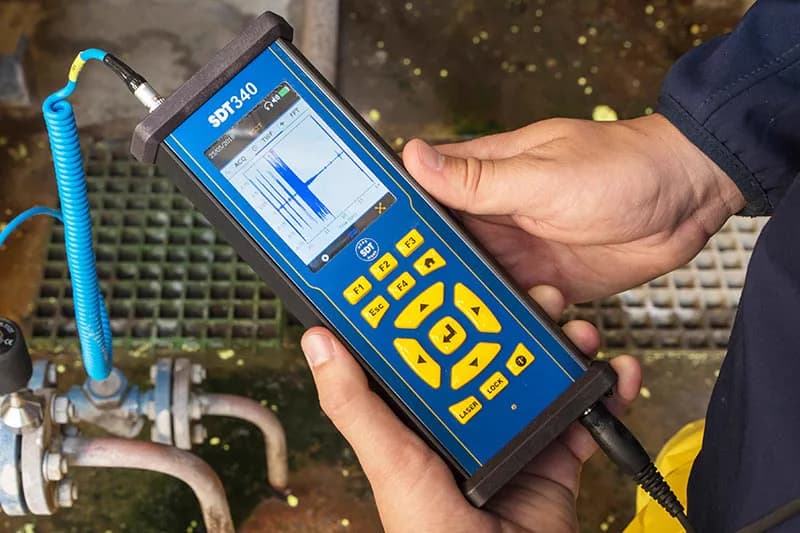
SDT340 - Advanced Ultrasound Detector
The most advanced ultrasound detector for collecting, analysing and trending data
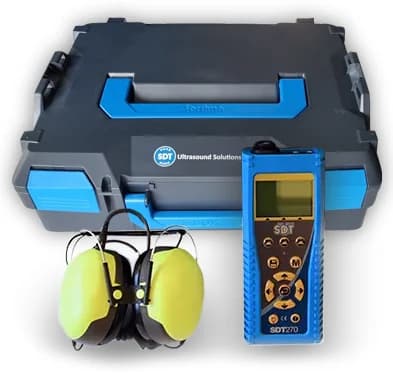
SDT270 — SDT Ultrasound Detector and Data Collector
Handheld SDT ultrasound data collector: 2 channels, up to 100 kHz bandwidth, built-in IR thermometer and laser tachometer, ICP accelerometer input, signal recording for analysis in UAS3. ATEX version available.
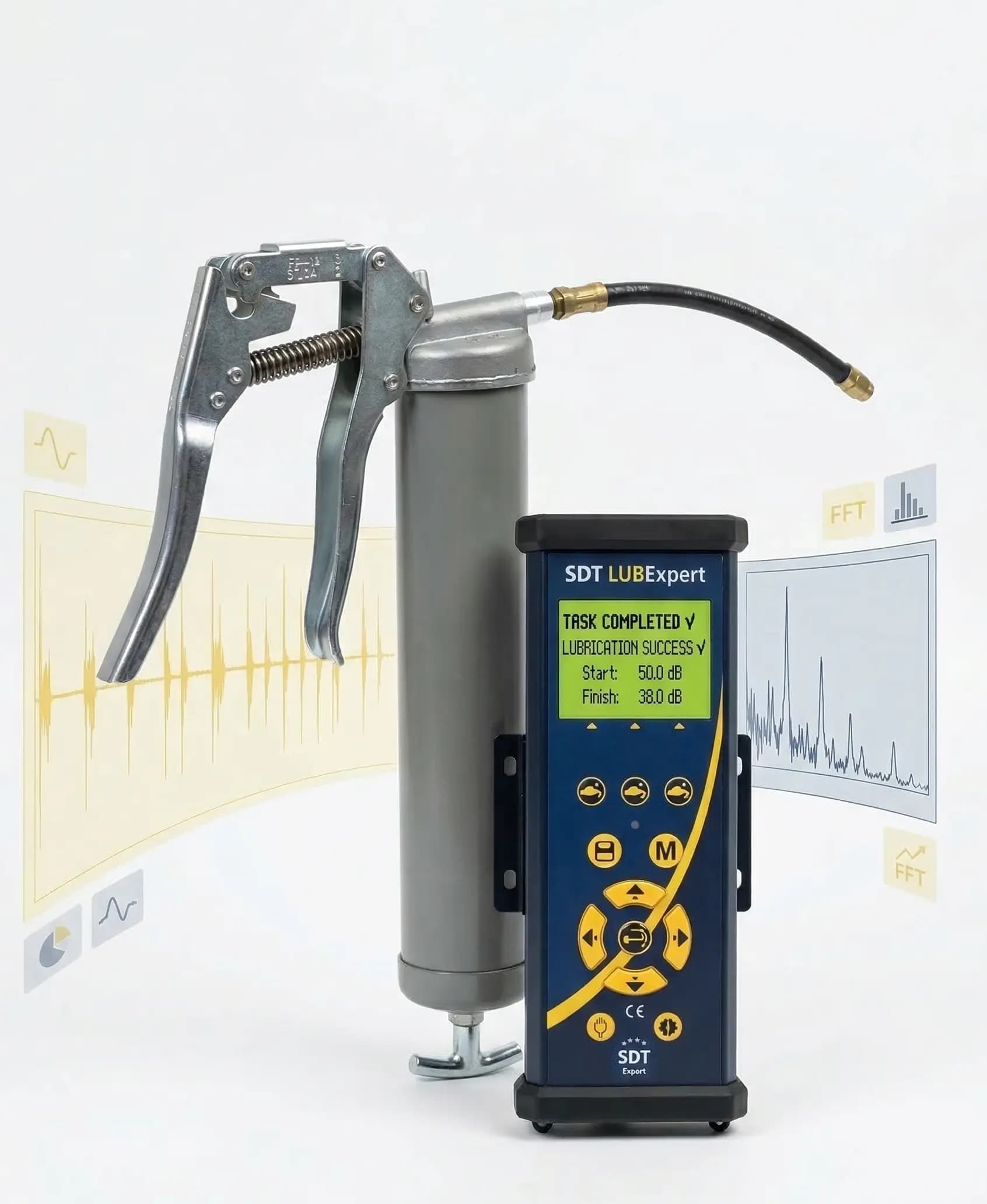
LUBExpert — SDT Ultrasound Bearing Lubrication Assistant
SDT instrument for precision ultrasound-guided greasing of rolling element bearings: tells you when to add grease and when to stop, follows routes from UAS3 and closes each task as GOOD, BAD or SUSPECT.
Artesis — continuous drive monitoring
Artesis EMCM analyzes motor current and voltage without sensors on the machine
Olympus — thickness gauging and videoscopes
When vibration finds a symptom, Olympus confirms metal, weld or internal cavity condition
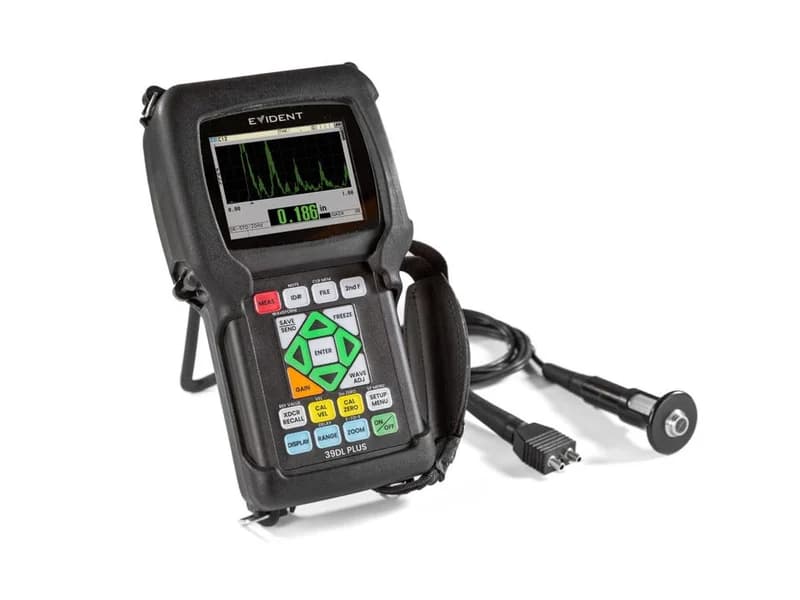
Olympus 39DL PLUS — ultrasonic thickness gauge
General-purpose Olympus (Evident) ultrasonic thickness gauge, successor to the 38DL PLUS: 0.08–635 mm, up to 60 Hz update, single and dual element transducers, THRU-COAT, Echo-to-Echo, B-scan, up to 792,832 readings, IP67, 0.83 kg.
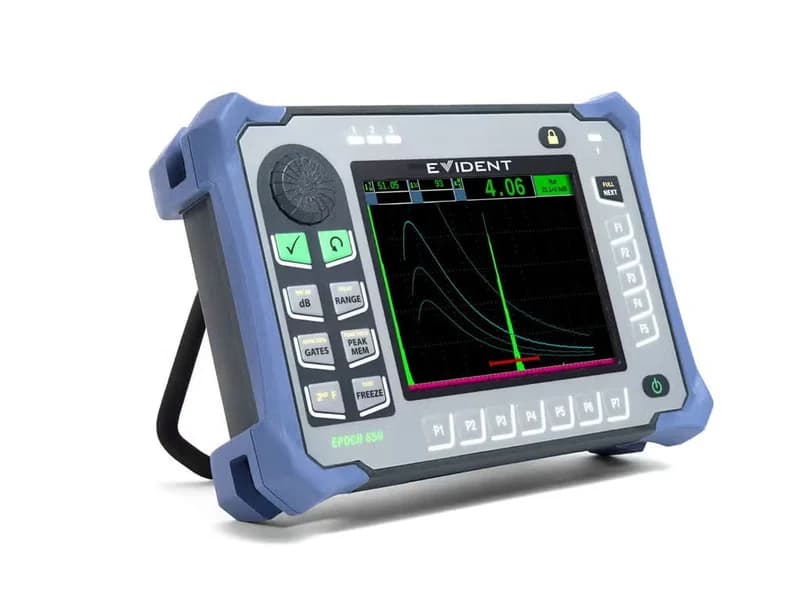
Olympus EPOCH 650 — ultrasonic flaw detector
Portable Olympus (Evident) ultrasonic flaw detector: tunable square-wave pulser up to 400 V, 0.2–26.5 MHz bandwidth, VGA display, DGS/AVG, DAC/TCG and AWS as standard, 100,000 IDs, 15–16 h runtime, IP67.
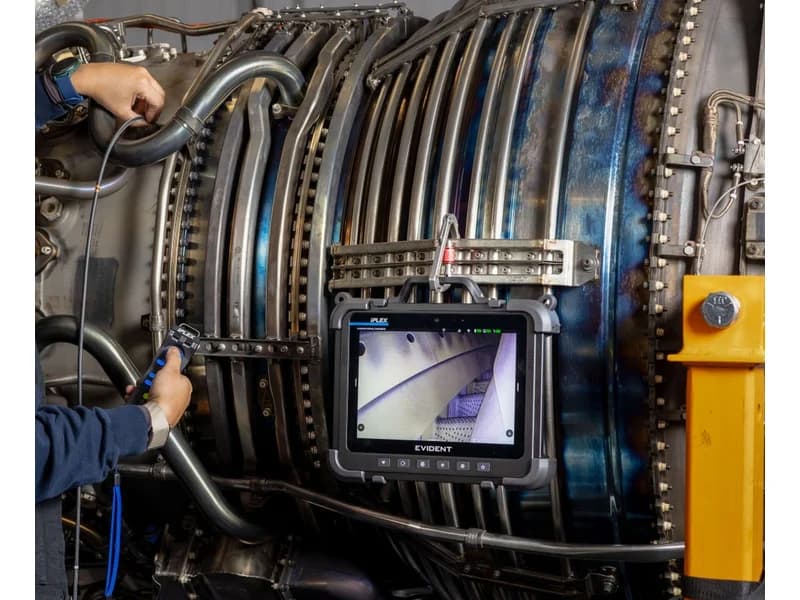
Olympus IPLEX One — 10th-generation videoscope
The 10th generation of Olympus (Evident) IPLEX videoscopes: Plus, Expert and Prime tiers on one hardware platform, Swoptix optics without withdrawing the probe, 3DAssist, 10.1" 1100-nit tablet, four light sources, up to 360 min runtime.
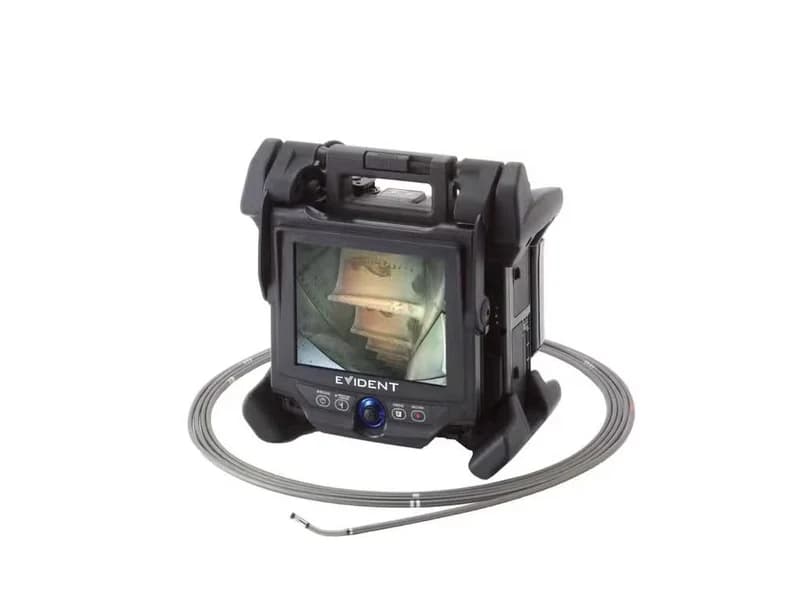
Olympus IPLEX NX — flagship industrial videoscope
Flagship Olympus (Evident) videoscope: laser illumination up to 4 times brighter, stereo measurement and 3D defect modelling, 8.4" touchscreen, Ø4.0–6.2 mm probes up to 7.5 m, articulation up to 180°.
Ion Science — SF6, VOC and industrial leaks
Portable and fixed detectors for SF6 at substations, VOC on chemical sites and refrigerant leaks in HVAC
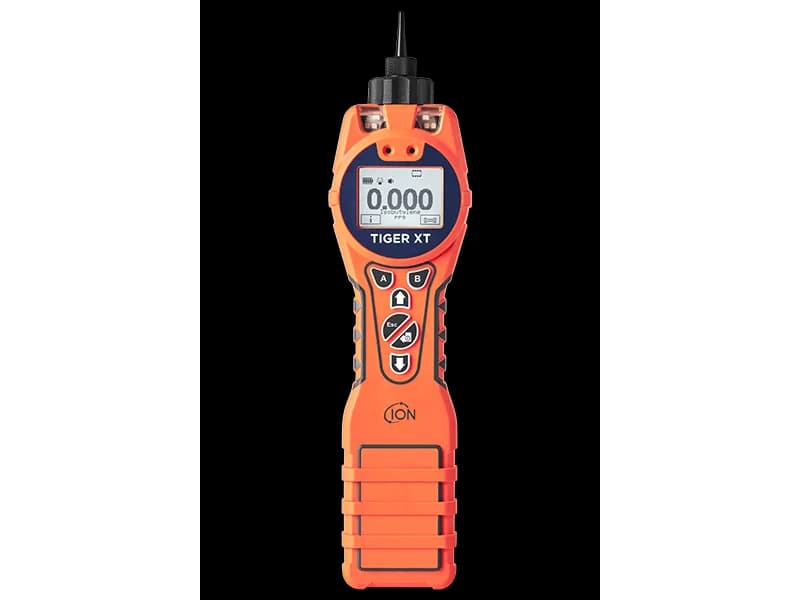
Ion Science Tiger XT — handheld PID detector for volatile organic compounds
Intrinsically safe Ion Science photoionisation detector for over 750 volatile organic compounds: 1 ppb to 20,000 ppm, T90 under 2 s, Fence Electrode technology against humidity and contamination, up to 24 h runtime and 120,000 logged readings.
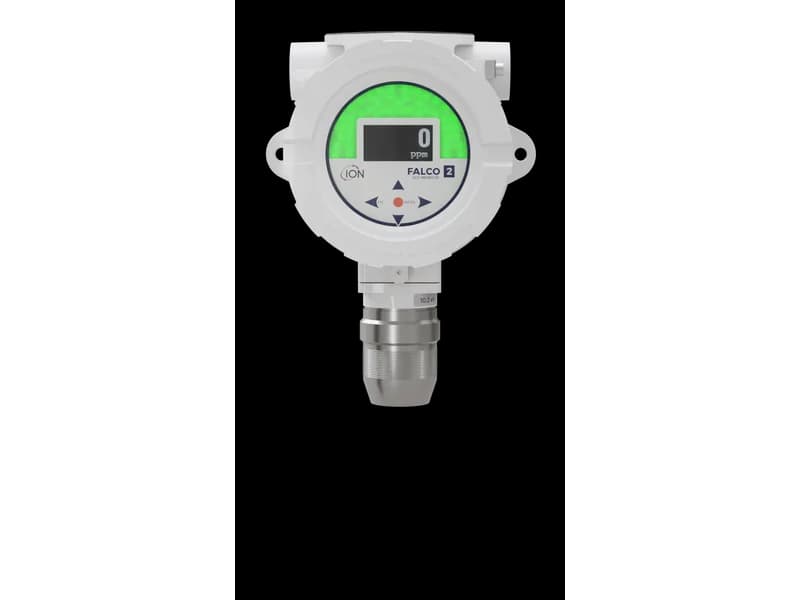
Ion Science Falco 2 — fixed PID VOC detector
Flameproof fixed photoionisation detector for over 700 volatile organic compounds: diffused or pumped, ranges from 0–10 to 0–3000 ppm, a TAC version for benzene, 4–20 mA, RS485 Modbus and two relays.
Solutions and resources
Products, related applications and articles for Rotary kiln monitoring
Recommended products
Related applications
FAQ: Rotary kiln monitoring monitoring
Need advice?
Our specialists will help you choose the optimal Rotary kiln monitoring configuration for your equipment.