
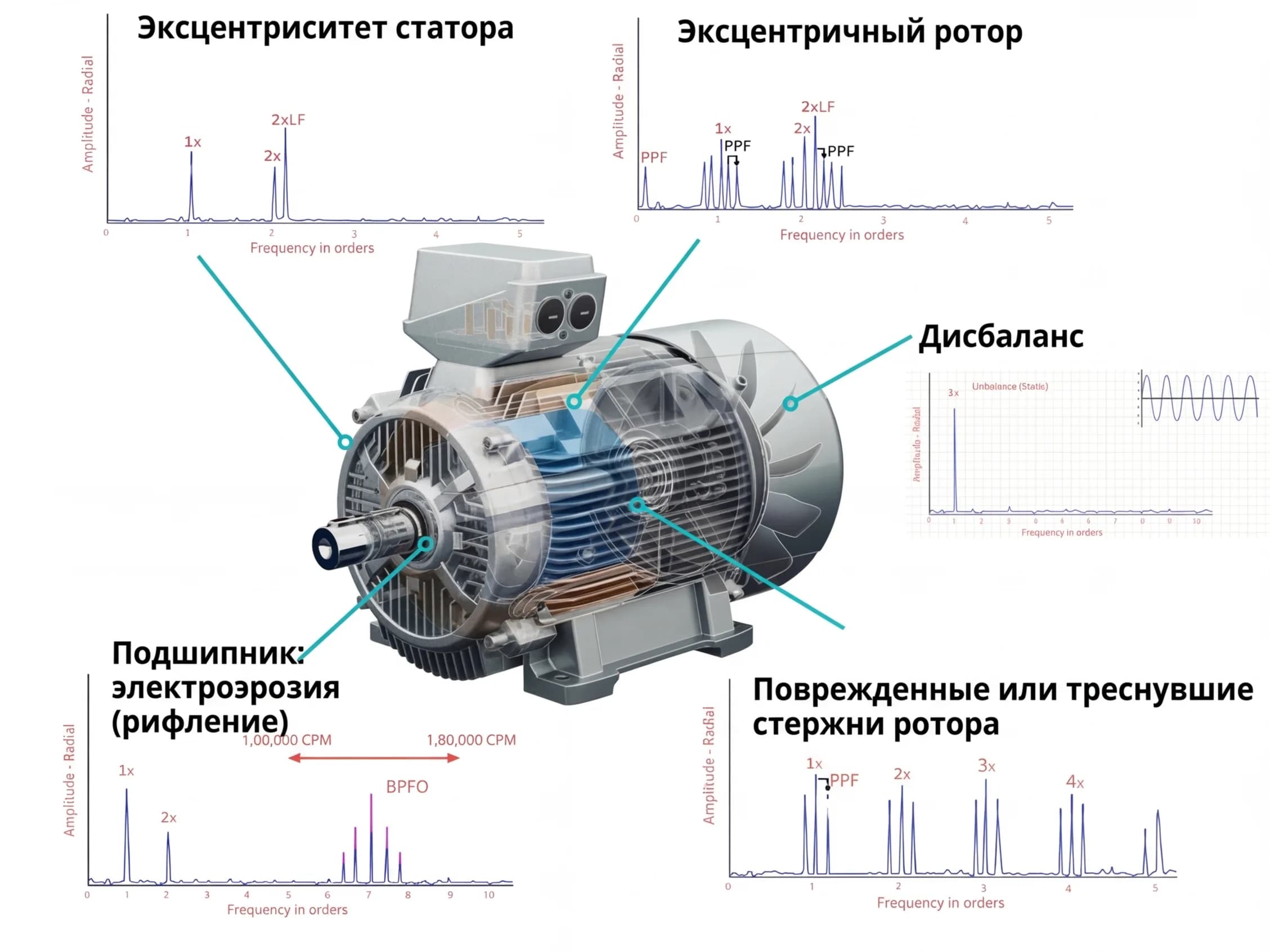
Artesis e-MCM Pilot in 90 Days: Step-by-Step Rollout Plan for Industrial Sites
Launch an e-MCM pilot in three months: asset selection, install, self-learning, alarm verification and scale-up decision — checklist for reliability engineers in Kazakhstan.
Article available in Russian
The full article body is currently published in Russian. A translated version is in progress — switch to Russian for the complete text.
Read in Russian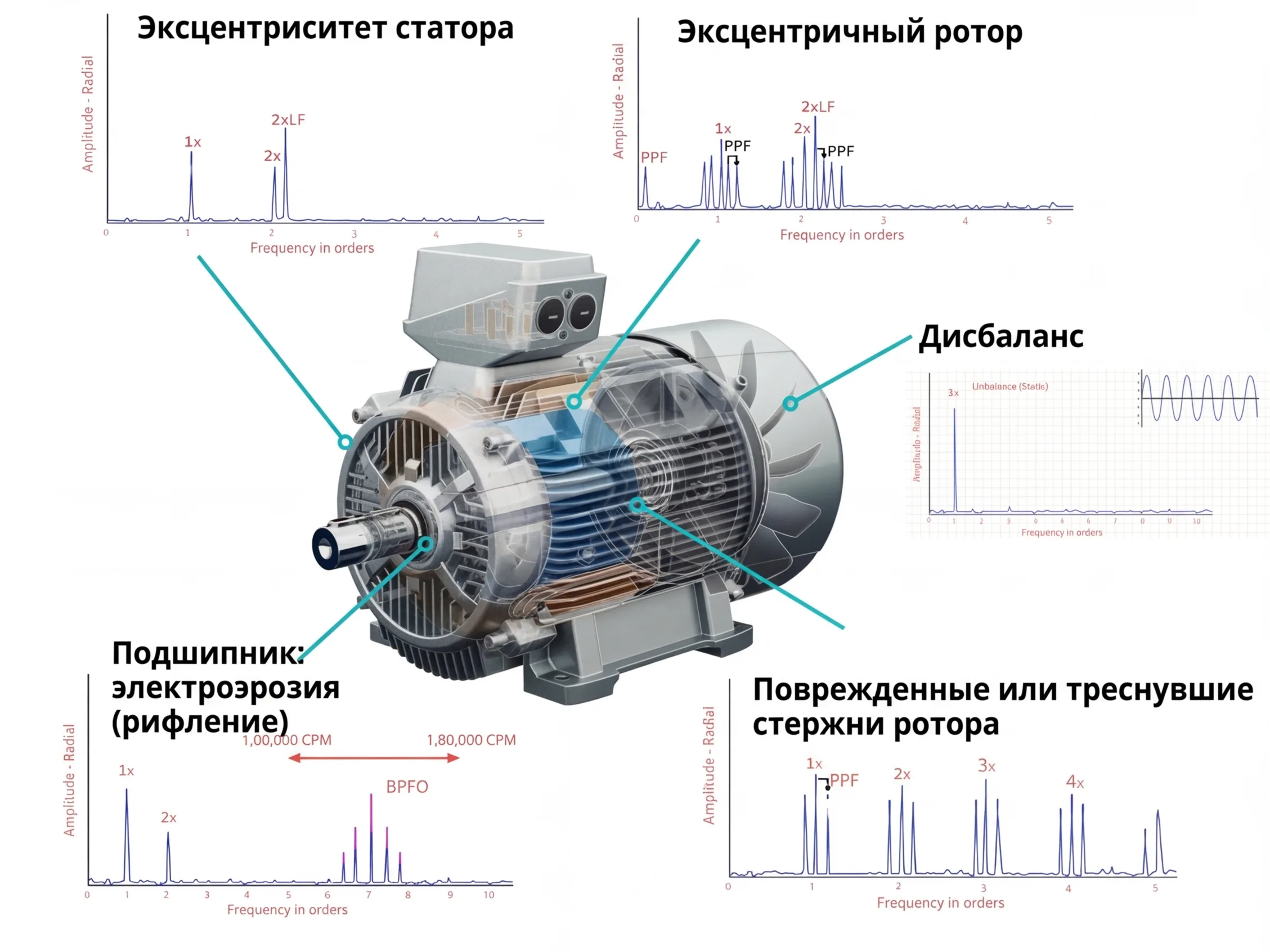
Full-fleet Artesis e-MCM rollout takes a year. Proof of value fits in 90 days: 3–5 critical drives, measurable lead time, management-ready report.
Success KPIs
| KPI | 90-day target |
|---|---|
| Confirmed real faults | ≥ 1 |
| Lead time (alarm → repair) | ≥ 14 days |
| False alarms | < 20% |
| Prevented downtime | ≥ 1 documented |
| Scale-up decision | Yes/no with ROI |
Asset selection is critical — without one confirmed early find, the pilot is hard to defend.
Weeks 1–2: preparation
Pick 3–5 motors
Score on: criticality, failure history, MCC access, variety (pump/fan/conveyor), maintenance logs.
Examples → industry map, mills, fans, submersible pumps.
Team
| Role | Task |
|---|---|
| Reliability engineer | Owner, alarm review |
| Electrical lead | MCC access, CT install |
| Area mechanic | On-machine verification |
| KEG TRK | Supply, commissioning, training |
Before start
- Single-line diagrams
- Motor nameplates (kW, RPM, DOL/VFD)
- 24-month failure history
- Existing vibration/thermography baseline if any
Weeks 3–4: install and self-learning
Install (1–2 h per motor): unit in panel, CTs + voltage, network, nameplate data in software.
Self-learning (7–21 days): normal load ranges, multiple VFD speeds if applicable. Do not treat yellow flags as emergencies during learning — log process upsets.
Weeks 5–8: operation and verification
Weekly ritual (30 min)
- Dashboard / Artesis IoT
- Traffic-light status
- New alarms — severity, time-to-failure
- Schedule site visit for amber/red
On-machine checks
| e-MCM indication | Field check |
|---|---|
| Bearing | SDT ultrasound, SCOUT vibration |
| Misalignment | Laser alignment |
| Pump cavitation | Pressure, process mode |
| Electrical | Terminal thermography |
Pilot log (mandatory)
Date | Asset | Alarm | Action | Result | Lead time
Basis for management report and ROI (downtime cost).
Weeks 9–12: report and scale
Report structure
- Executive summary
- Why these assets
- Event table
- Confirmed finds with evidence
- False alarms and tuning
- ROI
- 12-month roadmap
Typical next steps
| Outcome | Next step |
|---|---|
| ≥2 confirmed faults | +10–20 e-MCM in year 1 |
| 1 fault, good lead time | +5 on class A |
| Mostly false alarms | Tune, extend 30 days |
| No events | Move to chronic assets |
Parallel: AMT Pro
While e-MCM learns on 5 points, AMT Pro can survey the whole fleet — route guide.
Common mistakes
- Too many pilot points — start with 3.
- No data owner — no weekly review.
- Wrong VFD setting in software.
- No field verification.
- No management report — no budget for scale.
Summary
90 days is enough for full cycle: install → learn → real alarms → confirmed repair → ROI. KEG TRK supports turnkey pilots: asset pick, install, training, report template.
→ Three-tier strategy · Motor monitoring intro · e-PCM for DGS
Equipment in this article
e-MCM
Онлайн мониторинг электродвигателей без датчиков
Artesis AMT Pro - Портативный тестер электродвигателей
Портативная система диагностики электродвигателей без датчиков с AI-анализом
Artesis IoT - Облачная платформа мониторинга
Облачная платформа для управления данными мониторинга, аналитики и отчётов