
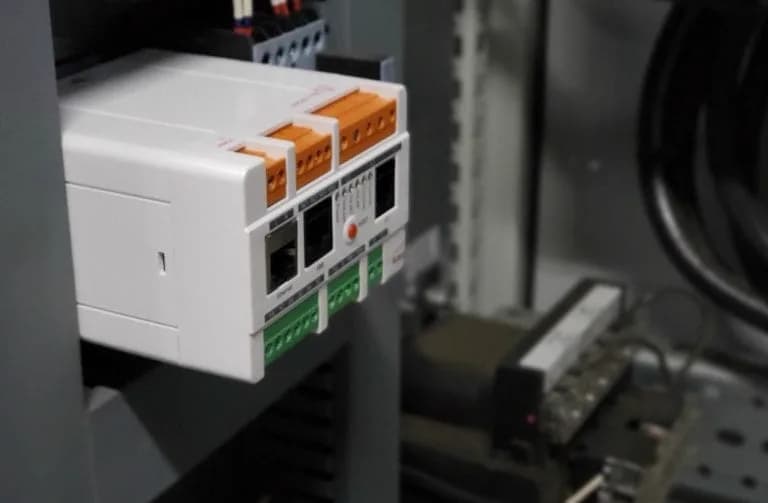
Artesis e-PCM on Hydro and Steam Turbines: Turbo-Generator Monitoring Without Shaft Sensors
Hydro plants and thermal power stations: how e-PCM reads generator output to monitor turbine and generator — bearings, misalignment, windings; DCS integration and BOP with e-MCM.
On a turbo-generator, bearing failure, shaft misalignment or winding degradation means forced outage, lost generation and costly repair. Bently Nevada vibration remains the benchmark on high-speed steam machines, but it does not fully cover generator electrical faults and needs extensive shaft instrumentation.
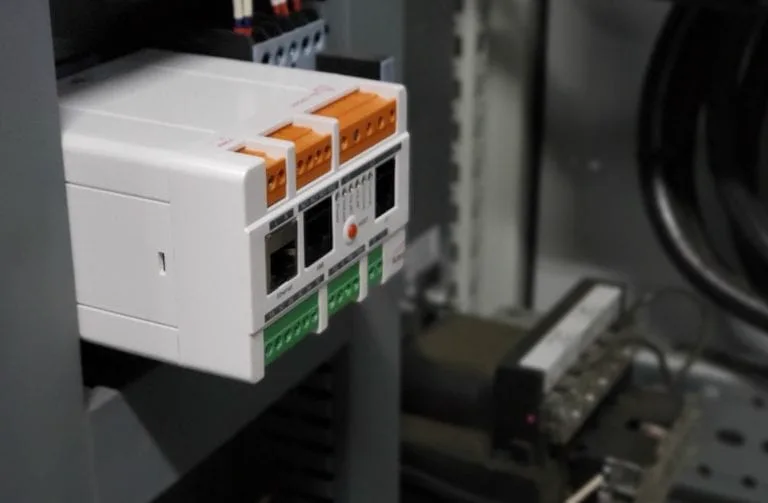
Artesis e-PCM complements the picture: it analyses three-phase current and voltage at generator output to detect turbine and coupling mechanical faults plus stator/rotor electrical issues — no turbine shaft sensors.
Where it applies
| Site | Unit | e-PCM role |
|---|---|---|
| Hydro | Francis, Kaplan, 5–50 MW | Bearings, imbalance, misalignment |
| Pumped storage | Reversible sets | Mode-change monitoring |
| Thermal plant | Steam turbines 60–300 MW | Turbine + generator + coupling |
| CHP / auxiliaries | Small steam turbines | Own-needs generation |
What e-PCM monitors
Steam / gas turbine (prime mover)
- Rotor imbalance
- Turbine–coupling–generator misalignment
- Bearing wear (journal, thrust — via signature)
- Looseness, foundation issues
- Gearbox wear if fitted
Synchronous generator
- Stator/rotor winding degradation
- Eccentricity, air gap
- Phase unbalance, harmonics
- Indirect excitation / AVR clues
Hydro specifics
- Low speed — vibration harder; ESA often more sensitive to bearings
- Load/head changes — models built per power band
- Gate / oil-pump auxiliaries → e-MCM
| Fault | Typical lead time |
|---|---|
| Imbalance | 2–4 weeks |
| Misalignment | 1–3 weeks |
| Bearings | 4–8 weeks |
| Windings | weeks–months |
Equipment covered in this article
Artesis e-PCM — Generator and Wind Turbine Monitoring
Sensorless monitoring of generators and their prime movers
e-PCM vs vibration
| Criterion | Vibration (Bently) | e-PCM |
|---|---|---|
| High-speed steam turbine | Benchmark | Complement |
| Generator electrical | Weak | Full |
| Small hydro, low RPM | Harder | Strong |
| Shaft install | Probes, long cables | Generator panel only |
| DCS link | Via CMS | Modbus / OPC UA |
Thermal plant pattern: Bently on main steam shaft + e-PCM on generator output. Hydro without full CMS: e-PCM as primary online channel.
BOP on the same unit
| Asset | Product |
|---|---|
| Turbine + generator | e-PCM |
| Feed / circulation pumps | e-MCM — cavitation |
| ID/FD fans | e-MCM — fans |
| 3500/42M auxiliaries | Bently + e-MCM — CHP guide |
Architecture
Turbo-generator → CTs + voltage → e-PCM → Modbus/OPC → DCS / Artesis IoT
Install in excitation or generator switchgear — typically 2–4 hours.
Typical steam-plant scenario
- Turbine vibration within alarm — “watch”.
- e-PCM trends misalignment and generator bearing drift 6 weeks ahead.
- Planned 48 h outage — alignment and DE bearing swap.
- Avoided emergency trip with winding damage.
ROI
One unplanned outage on a 60–150 MW unit can cost hundreds of millions of tenge in lost output and repair. e-PCM pays back on the first outage moved to a planned window.
e-PCM family
| Asset | Guide |
|---|---|
| Hydro / steam | this article |
| Gas | Gas turbines |
| Wind | Wind farms |
| DGS | Diesel gensets |
| All uses | e-PCM navigator |
Summary
Artesis e-PCM bridges turbine and generator: electrical signature at generator output gives early warning on bearings, misalignment and windings without shaft sensors on the turbine.
→ 90-day e-MCM pilot · Industry map
KEG TRK — official Artesis and Bently Nevada distributor in Kazakhstan. Contact
Equipment in this article
KEG TRK quotes prices and delivery times to Kazakhstan on request. We will prepare a commercial offer for your application.
Artesis e-PCM — Generator and Wind Turbine Monitoring
Sensorless monitoring of generators and their prime movers
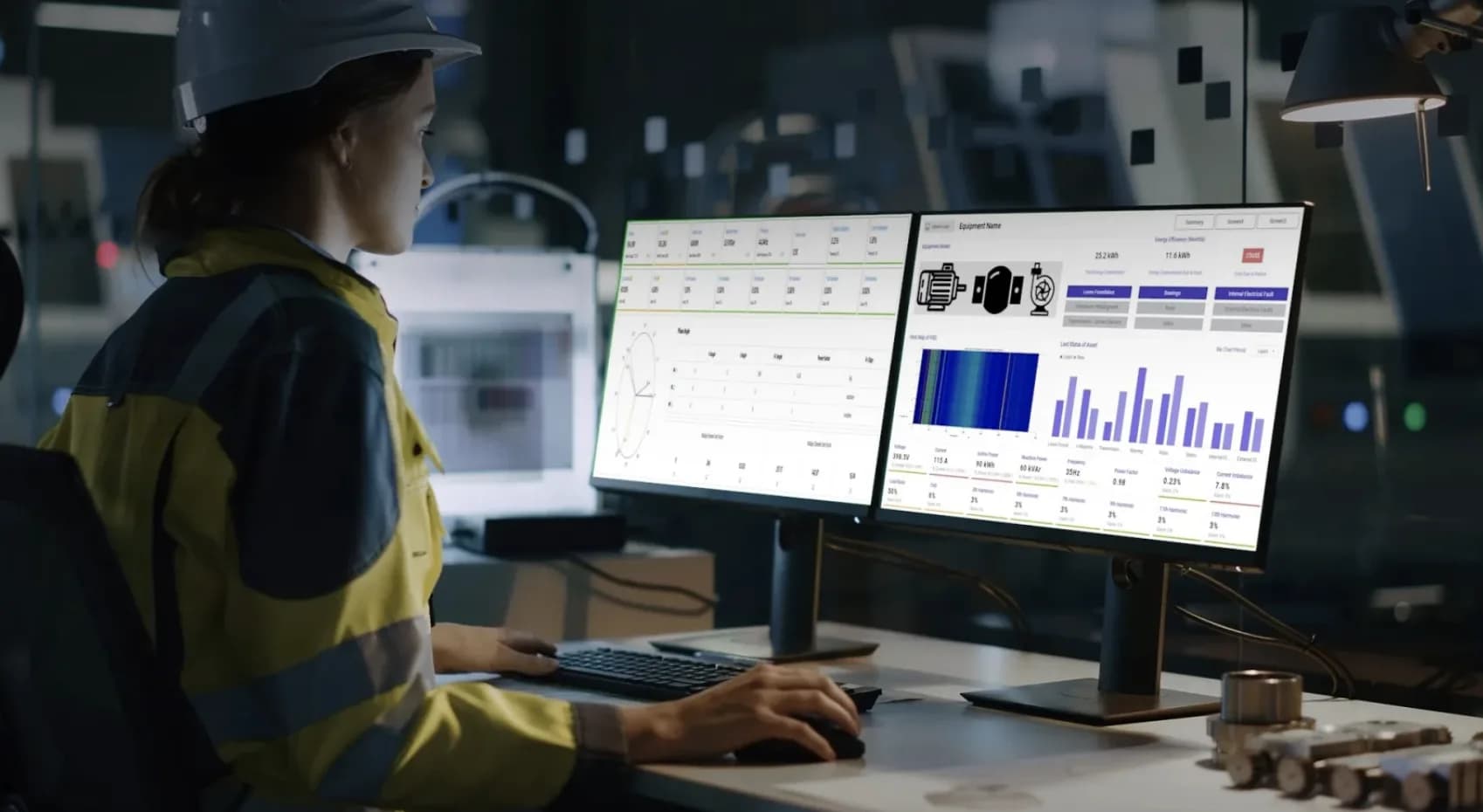
Artesis IoT — Cloud Monitoring Platform
Cloud platform for monitoring data management, analytics and reporting
Also in this article: Artesis e-MCM — Online Sensorless Motor Monitoring
Read also
6/30/2026
Artesis e-PCM for Diesel Generators: Backup Power Monitoring Without Shaft Sensors
Diesel gensets at CHPs, oil & gas sites and data centres: how e-PCM monitors engine and generator from output current and voltage — early warning before grid failure exposes a dead unit.
6/30/2026
Artesis e-PCM for Gas Turbines: GTG Monitoring for Power and Oil & Gas
CCGT, cogeneration and remote oil & gas sites: how e-PCM monitors the gas turbine and generator from generator output — bearings, misalignment, windings without shaft sensors.
6/30/2026
Artesis e-PCM for Wind Farms: Turbine Monitoring Without Nacelle Sensors
Main bearings, generator and drive train: how e-PCM reads generator output to cut nacelle visits — 20-turbine case study, 14-month ROI.