
Кейс: аудит 420 конденсатоотводчиков на заводе — как SDT340 вернул 78 млн тенге в год
Типовой кейс аудита парового хозяйства прибором SDT340: 420 ловушек, 23% неисправных, расчёт потерь, окупаемость за 3 недели и план регулярной программы диагностики.
О кейсе. Ниже — типовой расчётный сценарий, собранный из реальной практики обследований паровых хозяйств. Цифры округлены и приведены для иллюстрации методики; конкретные значения на вашем объекте мы рассчитаем по фактическому парку ловушек.
Исходная ситуация
Завод пищевой промышленности с собственной котельной и развитой паровой сетью: технологические линии, теплообменники, спутники обогрева. Паровое хозяйство — 420 конденсатоотводчиков разных типов и давлений. Регулярной программы проверки не было: ловушки меняли «по отказу» — когда падало давление у потребителя или гудела линия конденсата.
Симптомы, с которыми пришёл главный энергетик:
- растущий расход топлива в котельной без роста выпуска продукции;
- периодические гидроудары в линиях возврата конденсата;
- жалобы на «недогрев» отдельных теплообменников.
Классическая картина парового хозяйства без диагностики: потери есть, но они невидимы и не привязаны к конкретным ловушкам.
Что делали: аудит за 4 смены
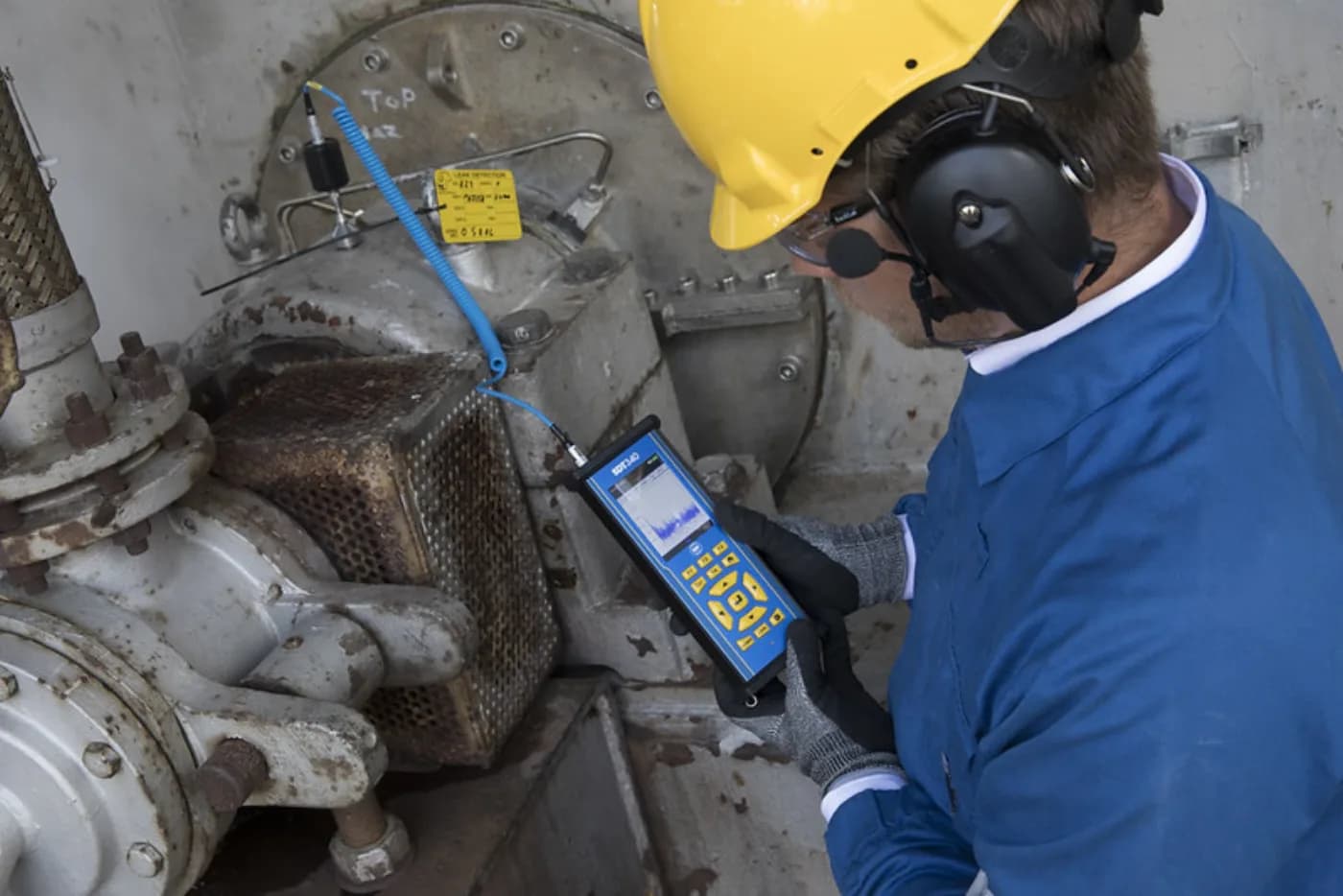
Обследование провели прибором SDT340 в режиме TrapChecker. Методика стандартная (подробно — в статье «Диагностика конденсатоотводчиков»):
- Инвентаризация и маршруты. Составили реестр 420 ловушек с типом, размером и рабочим давлением, разбили на маршруты обхода.
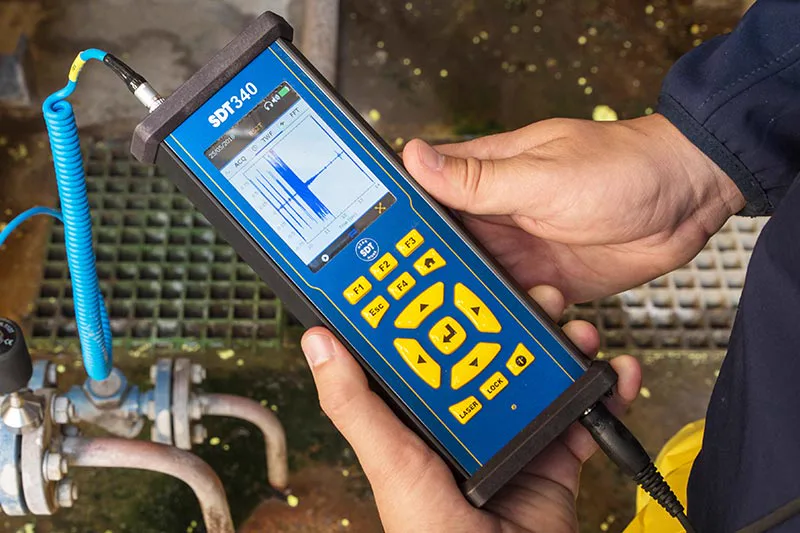
- Замеры. На каждой ловушке вводили тип и давление, прикладывали контактный датчик 5–10 секунд — прибор сам выдавал вердикт «исправен / пролётный / закрытый» и оценку потерь.
- Привязка и отчёт. Каждый результат сохранялся с тегом ловушки; по итогам сформирован отчёт с приоритетом замены.
Весь парк проверили за 4 смены силами одного оператора эксплуатации (не диагноста) — автоматический вердикт снял требование к квалификации.
Оборудование по теме статьи
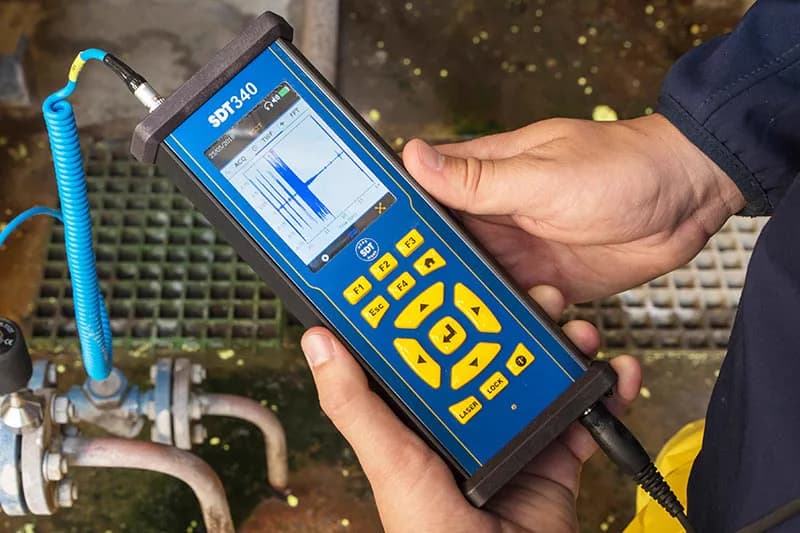
SDT340 - Продвинутый ультразвуковой детектор
Самый продвинутый ультразвуковой детектор для сбора, анализа и трендирования данных
Результаты обследования
| Состояние | Кол-во | Доля | Что значит |
|---|---|---|---|
| Исправны | 312 | 74% | Норма |
| Пролётные (failed open) | 71 | 17% | Прямые потери пара |
| Закрытые (failed closed) | 27 | 6% | Гидроудары, недогрев |
| Требуют уточнения | 10 | 3% | Повторный замер |
Итого неисправных — 98 ловушек (23%), что точно укладывается в отраслевую вилку 15–30% для объектов без программы проверки.
Расчёт потерь: считаем деньги
Главные виновники счёта — 71 пролётная ловушка. Потери пара зависят от размера отверстия и давления. Усреднённая по парку оценка:
| Размер пролётной ловушки | Кол-во | Потеря пара, кг/ч | Потеря на ловушку, тг/год |
|---|---|---|---|
| Малые | 38 | ~9 | ~640 000 |
| Средние | 24 | ~22 | ~1 560 000 |
| Крупные | 9 | ~45 | ~3 190 000 |
Базовые допущения расчёта:
- стоимость пара ≈ 3 200 тг / тонна (топливо + водоподготовка + потери КПД котла);
- наработка парового хозяйства ≈ 8 000 ч/год;
- потерянный пар = чистые деньги, ушедшие в трубу круглосуточно.
Суммарные годовые потери от пролётных ловушек ≈ 78 млн тенге. Закрытые ловушки прямых денежных потерь не дают, но создают риск повреждения оборудования и брака — их тоже включили в план ремонта.
Окупаемость
| Статья | Сумма |
|---|---|
| Прибор SDT340 + режим TrapChecker + ПО | ~7,5 млн тг |
| Обучение оператора | ~0,5 млн тг |
| Инвестиции (разово) | ~8 млн тг |
| Возврат после ремонта пролётных ловушек | ~78 млн тг/год |
| Срок окупаемости прибора | ≈ 3 недели |
Даже если устранить не все, а только 9 крупных пролётных ловушек (≈ 28,7 млн тг/год), прибор окупается с первого же обхода. Стоимость замены самих ловушек кратно ниже возвращаемой экономии и закладывается в ремонтный бюджет.
Что сделали после аудита
- Ремонт по приоритету. Сначала 9 крупных пролётных ловушек на высоком давлении — максимальная окупаемость на единицу работы, затем средние и малые.
- Устранение закрытых. 27 заклинивших ловушек — чтобы убрать гидроудары и восстановить теплопередачу на «недогретых» теплообменниках.
- Регулярная программа. Обход всего парка теперь 2 раза в год; критичные участки — ежеквартально. История по каждой ловушке копится в SherlogReporter / UAS3.
- Один прибор — много задач. Тот же SDT340 параллельно запустили на поиск утечек сжатого воздуха и контроль смазки подшипников — дополнительная экономия сверх паровой.
Эффект за первый год
- возврат ≈ 78 млн тенге только по пару;
- исчезли гидроудары в линиях возврата конденсата;
- восстановлена теплопередача на проблемных теплообменниках;
- снижение выбросов CO₂ за счёт меньшего сжигания топлива;
- паровое хозяйство стало управляемым: известно состояние каждой ловушки и план её обслуживания.
Выводы
Аудит конденсатоотводчиков — одна из самых быстроокупаемых процедур на любом предприятии с паровым хозяйством. В этом кейсе 23% неисправных ловушек «съедали» 78 млн тенге в год незаметно, пока их не выявил ультразвук. Прибор SDT340 с режимом TrapChecker окупился за три недели, а регулярная программа продолжает экономить год за годом. Почему именно SDT — см. рейтинг приборов и сравнение с конкурентами.
KEG TRK — официальный дистрибьютор SDT в Казахстане. Оставьте заявку — проведём аудит вашего парового хозяйства и рассчитаем потенциал экономии по фактическому парку ловушек.
Оборудование в статье
Цены и сроки поставки в Казахстан KEG TRK сообщает по запросу. Подготовим коммерческое предложение под вашу задачу.
SDT340 - Продвинутый ультразвуковой детектор
Самый продвинутый ультразвуковой детектор для сбора, анализа и трендирования данных
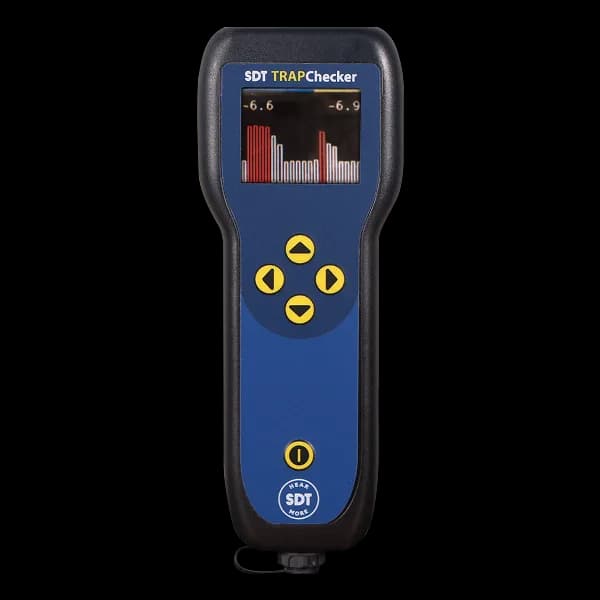
TRAPChecker - Проверка паровых ловушек
Специализированный детектор для проверки работоспособности паровых ловушек
Читайте также
22.07.2026
Vigilant: постоянный ультразвуковой контроль конденсатоотводчиков и клапанов
До 30% ловушек в работе неисправны; утечка 3 мм — от €6000/год. Как SDT Vigilant даёт online-диагностику критичных конденсатоотводчиков и клапанов: кейс европейского завода (−25% потерь пара, €120 000/год).
10.10.2026
Как проверить конденсатоотводчик: ультразвук и температура
Конденсатоотводчик проверяют двумя замерами: температурой ищут заблокированные, ультразвуком до и после отводчика — пропуск пара. Признаки по типам, порядок проверки и потери пара.
22.07.2026
Как обследовать конденсатоотводчики ультразвуком SDT: пошаговая методика
Практическая методика steam trap survey по материалам SDT: два замера (выше/ниже ловушки), температура для «failed closed», признаки пролёта, как читать цикл. С фото полевых замеров SDT340.