
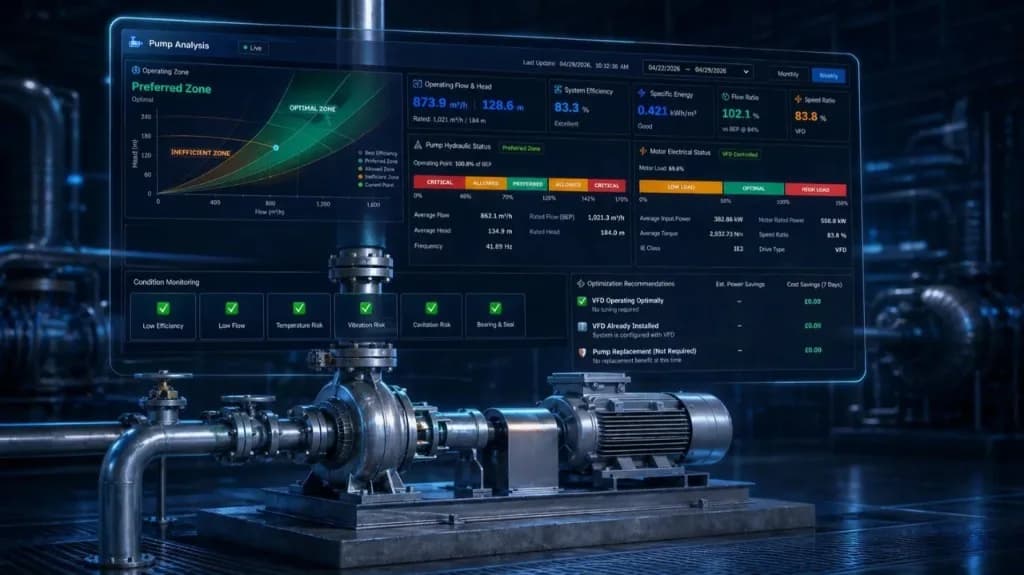
Предиктивное обслуживание снижает отказы оборудования на 73%. Это не маркетинг — это данные
Фиксированный график ТО не спасает от внеплановых простоев: до 15% ресурсов уходит на ненужное обслуживание. Предиктивный подход по данным датчиков снижает простои на 30–50% и аварийность на 40% — на объектах КЗ и СНГ с Artesis, SDT и Rapidox.
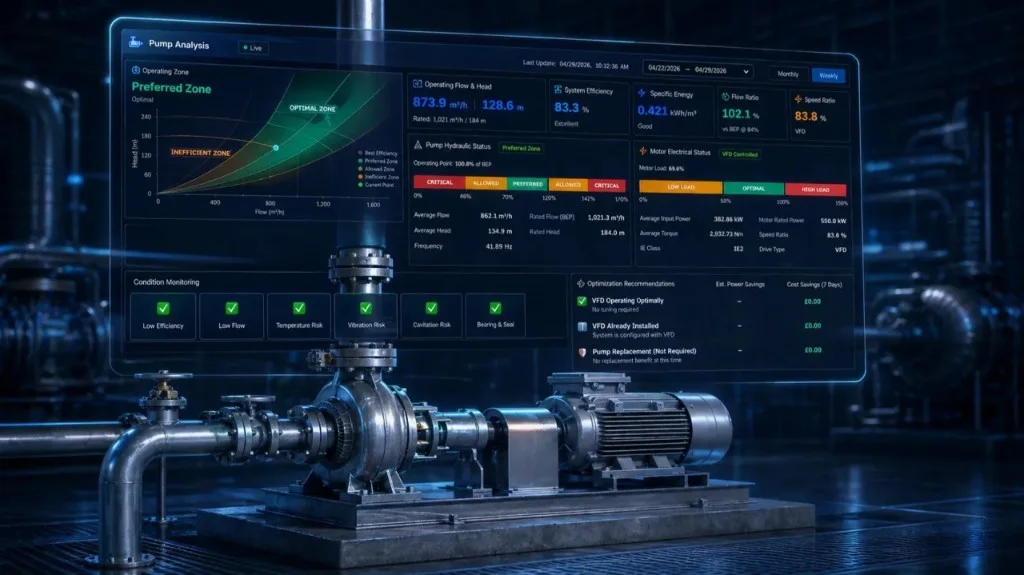
Предиктивное обслуживание снижает отказы оборудования на 73%. Это не маркетинг — это данные.
Большинство предприятий в СНГ до сих пор обслуживают оборудование по фиксированному графику: раз в квартал, раз в год — независимо от реального состояния узла. Проблема в том, что возраст оборудования почти не коррелирует с вероятностью отказа. В результате — до 15% ресурсов ТОиР уходит на ненужное обслуживание, а 82% предприятий за последние три года хотя бы раз сталкивались с внеплановым простоем.
Предиктивный подход работает иначе: датчики вибрации, температуры и электрических параметров непрерывно следят за реальным состоянием двигателей, подшипников и высоковольтного оборудования. Алгоритмы находят отклонения задолго до того, как их заметит человек.
Что это даёт на практике
- простои снижаются на 30–50%
- срок службы оборудования увеличивается до 40%
- затраты на обслуживание падают на 18–25%
- аварийность из-за отказов оборудования снижается на 40%
Мы видим это на объектах в горнодобыче, нефтегазе и энергетике КЗ и СНГ — с решениями Artesis (мониторинг электродвигателей), SDT (ультразвуковая диагностика и смазка) и Rapidox (контроль SF₆ в высоковольтном оборудовании).
Вопрос не в том, переходить ли на предиктивное обслуживание. Вопрос — во сколько обходится промедление.
Оборудование в статье
Цены и сроки поставки в Казахстан KEG TRK сообщает по запросу. Подготовим коммерческое предложение под вашу задачу.
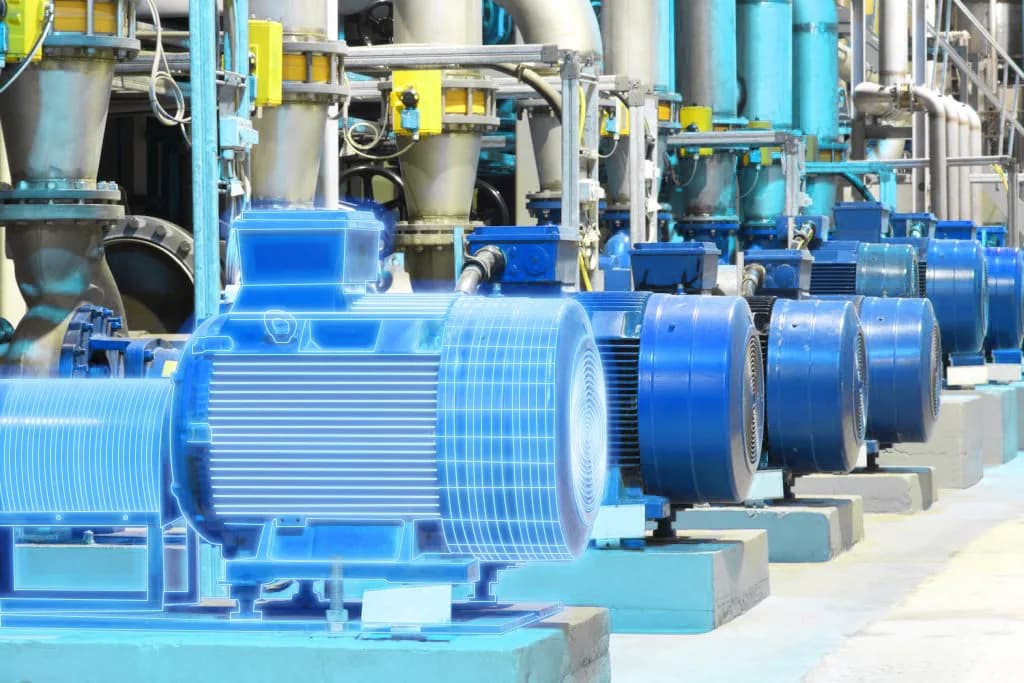
e-MCM
Онлайн мониторинг электродвигателей без датчиков
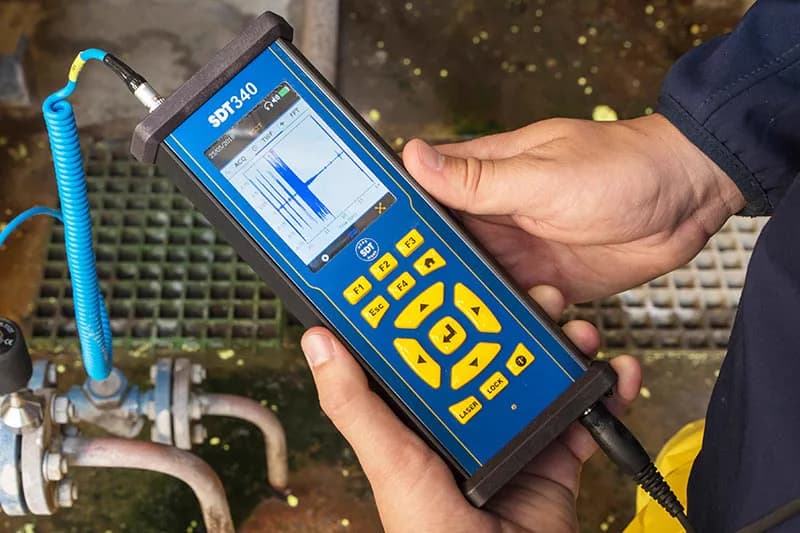
SDT340 - Продвинутый ультразвуковой детектор
Самый продвинутый ультразвуковой детектор для сбора, анализа и трендирования данных
Также в статье: LUBExpert — ультразвуковой ассистент смазки подшипников SDT, Rapidox SF6 6100 Portable — портативный анализатор элегаза
Читайте также
23.06.2026
Почему одной вибродиагностики недостаточно: ультразвук SDT и электрический мониторинг Artesis
Вибродиагностика видит не всё. Разбираем, что добавляют ультразвук SDT 340, LUBExpert и онлайн-мониторинг электродвигателей Artesis e-MCM — и почему их ставят вместе, а не вместо.
30.06.2026
Интеграция PdM на одном объекте: Artesis + Bently Nevada + SDT
Три столпа KEG TRK на одной площадке: вибрация Bently на турбомашинах, ультразвук SDT на маршруте, ESA Artesis на парке двигателей и генераторах — матрица зон, workflow и типовая архитектура для ТЭЦ, ГОК и НПЗ.
30.06.2026
Как повысить надёжность предприятия за 5 шагов: SDT + Artesis
Без «большого взрыва»: реестр активов, быстрые победы ультразвуком, маршрут AMT Pro, онлайн e-MCM на хрониках и управление KPI — практическая модель для директора и инженера по надёжности.