

Столп 6 из 8 · методология SDT Ultrasound Solutions
Поиск внутренних утечек в гидравлических системах ультразвуком
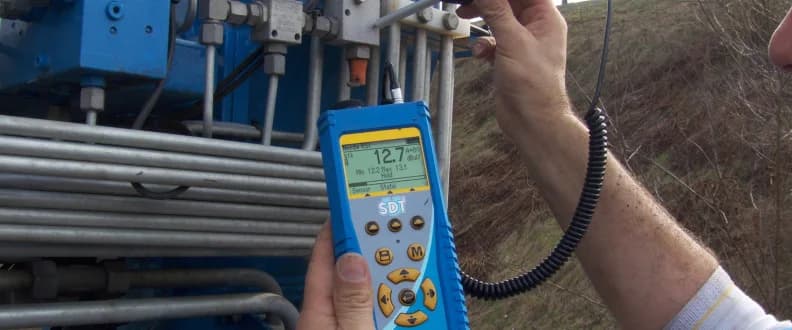
Ультразвуковой контроль гидравлических систем решает проблему, которую другие методы не могут: обнаружение внутренних утечек в клапанах и цилиндрах без разборки и сброса давления. Внутренние перетечки масла снижают усилие и скорость привода, увеличивают тепловыделение и ускоряют деградацию масла — но остаются невидимыми при визуальном осмотре.
Масло, перетекающее через дефектное уплотнение или клапан, создаёт турбулентный поток с характерным ультразвуковым шумом. Детекторы с контактными датчиками регистрируют этот сигнал через корпус узла, точно указывая на источник внутренней утечки. Тот же принцип работает при диагностике кавитации в насосах и обнаружении дефектов шестерён гидромоторов.
KEG TRK поставляет ультразвуковые детекторы SDT Ultrasound Solutions для контроля гидравлических систем горнодобывающих, металлургических, нефтяных и производственных предприятий РК. Обучение методологии ультразвукового контроля гидравлики — в комплекте поставки.
Применение ультразвука для контроля гидравлических систем
Один прибор — полная диагностика всей гидросистемы.
Поиск внутренних и внешних утечек
Внутренние утечки в гидравлических клапанах и цилиндрах создают турбулентный поток, регистрируемый ультразвуком. Внешние утечки через уплотнения обнаруживаются по высокочастотному сигналу истекающего масла.
Диагностика гидравлических насосов
Кавитация, износ шестерён и перепускного клапана насоса создают характерные ультразвуковые сигналы. Обнаружение деградации насоса на ранней стадии — до потери производительности и отказа.
Проверка гидравлических клапанов
Перепускные, предохранительные и регулировочные клапаны — обнаружение пропуска масла через закрытый клапан без разборки. Гидравлический ультразвуковой сигнал однозначно указывает на неплотность.
Инспекция гидроцилиндров
Износ уплотнений гидроцилиндров ведёт к внутреннему перетеканию масла и потере усилия. Ультразвуковой датчик на корпусе цилиндра фиксирует сигнал перетока — задолго до видимого падения производительности.
Как проводить ультразвуковой контроль гидравлики
Три шага от датчика до плана обслуживания.
Установите датчик на гидравлический узел
Используйте магнитный контактный датчик на корпусе клапана, насоса или цилиндра. Для трубопроводов — специальный зажимной адаптер. Прибор готов к измерению за 30 секунд.
Зафиксируйте уровень сигнала
Нормальный компонент — низкий базовый уровень сигнала. Внутренняя утечка или кавитация — характерное повышение сигнала. Сравните с базовой линией или нормативом для данного типа узла.
Запишите данные и планируйте обслуживание
Прибор сохраняет измерения с отметкой времени и координат. Растущий тренд — сигнал к включению узла в план обслуживания. При резком росте — немедленная замена.
Преимущества ультразвукового контроля гидравлики
Выявление скрытых потерь и предотвращение отказов гидросистем предприятий Казахстана.
Обнаружение невидимых внутренних утечек
Внутренние перетечки масла в клапанах и цилиндрах не видны снаружи и проявляются только нагревом масла и падением усилия. Ультразвук позволяет найти конкретный клапан или цилиндр без разборки.
Диагностика под рабочим давлением
Инспекция проводится на работающей гидросистеме под рабочим давлением. Нет необходимости сбрасывать давление, сливать масло или разбирать узлы.
Предотвращение внезапных отказов
Прогрессирующая деградация гидравлических компонентов обнаруживается за месяцы до отказа. Плановая замена вместо аварийного ремонта — экономия на запчастях и простоях.
Снижение потерь гидравлического масла
Раннее обнаружение утечек уплотнений снижает потери дорогостоящего гидравлического масла и предотвращает загрязнение производственной среды.
Один прибор — вся гидросистема
Детектор с контактным датчиком диагностирует насосы, клапаны, цилиндры и трубопроводы. Не нужны отдельные специализированные приборы для каждого типа узла.
Быстрая локализация
Направленный датчик последовательно проверяет все узлы гидросистемы по маршруту. Источник проблемы локализуется до конкретного клапана или цилиндра за один обход.
Хотите выявить скрытые потери в гидравлических системах?
Специалисты KEG TRK подберут оптимальный комплект для вашего типа гидрооборудования.
Получить консультациюПриборы для контроля гидравлических систем
От базового ULTRAChecker до профессионального SDT340.
SDT340
ПрофессиональныйМультисенсорная платформа с ультразвуком, вибрацией и ИК-термометром. Максимальная диагностика гидросистемы.
Подходит для: Критические гидравлические системы
SDT270
Данные и трендыСборщик данных с записью сигналов и трендами в Ultranalysis Suite 3 для программы мониторинга гидравлики.
Подходит для: Программа ПдО, тренды деградации
ULTRAChecker
Простой стартСпециализированный детектор для базового контроля гидравлических систем и поиска утечек.
Подходит для: Базовая инспекция гидравлики
SDT200
Для начинающихБазовый детектор с немедленным индикатором для старта программы контроля гидравлики.
Подходит для: Первый шаг, небольшой парк
Изучите другие столпы ультразвукового контроля
Методология SDT охватывает 8 областей — один прибор решает все задачи.
Часто задаваемые вопросы об ультразвуковом контроле гидравлики
Нужна консультация?
Наши специалисты помогут подобрать оптимальную конфигурацию детекторов для контроля гидравлических систем для вашего оборудования.