
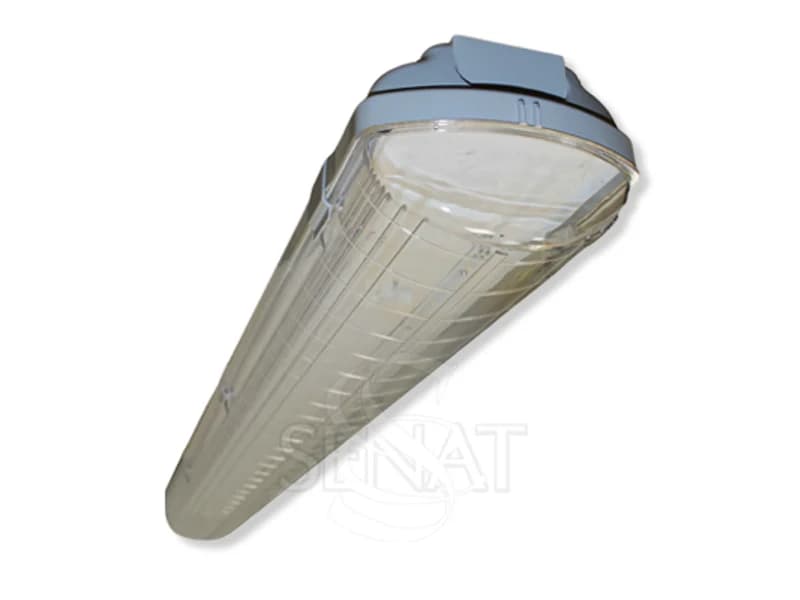
Промышленное LED-освещение: как выбрать светильники для цехов и открытых площадок
Как выбрать промышленные LED-светильники для цеха, склада, улицы и спецзон: световой поток, IP, цветовая температура, качество чипов, окупаемость.
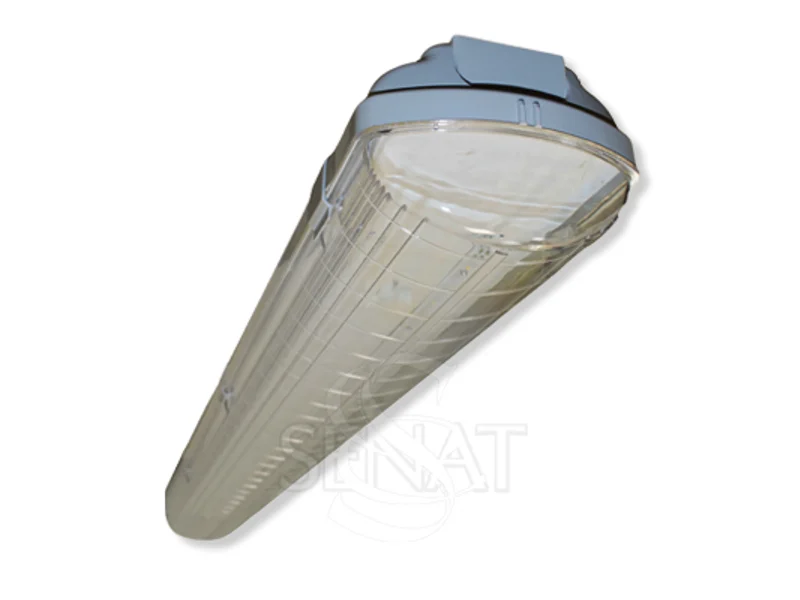
Замена устаревшего освещения на LED — один из немногих проектов на промышленном объекте, где экономия и безопасность идут рука об руку: срок окупаемости считается месяцами, а не годами, а качество света напрямую влияет на травматизм и производительность персонала. Но «взять светильник поярче» — плохая стратегия: цех, открытая площадка, офис с потолком Армстронг, аварийный выход и АЗС требуют разных классов светильников и разных параметров защиты. В этом материале — практическое руководство по выбору промышленного LED-освещения: на что смотреть в паспорте светильника, какой класс закрывает какую задачу и как считать реальную экономию по сравнению с натриевыми и люминесцентными лампами.
Почему нельзя выбирать светильник только по мощности
Ватты — самый ненадёжный параметр для сравнения светильников. Один производитель честно указывает реальную световую отдачу, другой завышает мощность светодиодов, чтобы визуально выглядеть «мощнее» на бумаге. При этом два светильника номиналом 40W могут отличаться по фактической освещённости рабочей зоны в полтора-два раза.
Правильный порядок выбора — от задачи к параметрам, а не от цены к ватту:
- Определить зону эксплуатации — цех, склад, улица, офис, взрывоопасная или пищевая зона
- Рассчитать требуемую освещённость в люксах для этой зоны по нормам (СП, СНиП, отраслевые регламенты)
- Подобрать класс светильника, рассчитанный именно под эту зону
- Проверить паспортные параметры — световой поток, IP, цветовую температуру, качество чипов, срок службы, гарантию
- Сравнить совокупную стоимость владения (TCO) с учётом энергопотребления и обслуживания
Полный ассортимент промышленных и уличных светильников — в разделе LED-освещение, где собраны все классы: от цеховых high-bay до аварийных и специальных решений.
Ключевые параметры выбора светильника
Световой поток (лм)
Световой поток в люменах — это количество видимого света, которое реально излучает светильник, в отличие от мощности в ваттах, которая описывает только потребление электроэнергии. Именно люмены, а не ватты, определяют, насколько хорошо освещено рабочее место. Соотношение лм/Вт (световая отдача) — ключевой показатель эффективности чипа: у качественных светодиодов оно превышает 120–130 лм/Вт, у бюджетных аналогов часто не дотягивает и до 90.
Степень защиты IP
Класс IP (Ingress Protection) показывает защиту корпуса от пыли и влаги двумя цифрами: первая — от твёрдых частиц (0–6), вторая — от воды (0–9). Для промышленной эксплуатации это не формальность, а условие выживания светильника:
| Класс IP | Защита | Типичное применение |
|---|---|---|
| IP20 | Базовая защита от пыли, без влаги | Офисы, административные помещения |
| IP54 | Пыль ограниченно, брызги воды | Складские помещения без прямого попадания воды |
| IP65 | Полная защита от пыли, струи воды | Цеха, производственные линии, АЗС |
| IP67 | Полная защита от пыли, кратковременное погружение | Уличное освещение, открытые площадки |
Цветовая температура
Цветовая температура в кельвинах (K) определяет оттенок свечения и напрямую влияет на восприятие рабочей зоны:
- 4000K (нейтральный белый) — комфортен для длительной работы, снижает утомляемость глаз, применяется в цехах, офисах, на складах
- 5000K (холодный белый, близкий к дневному) — максимальная контрастность и чёткость деталей, используется на участках визуального контроля, на улице, на АЗС
Качество LED-чипов
Ресурс и стабильность светового потока определяются не корпусом светильника, а качеством самого светодиода. Чипы брендов Samsung и Osram держат заявленный световой поток на протяжении всего срока службы с минимальной деградацией (обычно не более 10% за 100 000 часов), тогда как безымянные чипы теряют яркость значительно быстрее, а иногда выходят из строя уже в первый год эксплуатации.
Срок службы и гарантия
Заявленный ресурс качественных промышленных светильников — 100 000 часов (это более 11 лет непрерывной работы или свыше 20 лет при графике 12 часов в сутки). Гарантия производителя — практический индикатор его уверенности в ресурсе: у линейки Сенат срок гарантии варьируется от 3 лет на базовые цеховые модели и специальное освещение до 5 лет на уличные, офисные светильники и решения для АЗС.
Оборудование по теме статьи
Светильник промышленный Ares 40W
Промышленный LED-светильник Ares 40W с 64 диодами для освещения производственных помещений
Классы светильников: что для какой зоны
| Класс светильника | Основное применение | Типичный IP | Особенности |
|---|---|---|---|
| Цеховые high-bay | Производственные цеха, ангары, склады с высокими потолками | IP65 | Широкая КСС, монтаж на высоте 6–20 м, устойчивость к вибрации |
| Уличные / магистральные | Открытые площадки, дороги, парковки, периметр объекта | IP67 | Узкая или асимметричная оптика, защита от осадков и перепадов температур |
| Офисные (Армстронг) | Административные здания, офисы с подвесным потолком | IP20 | Стандартная ячейка 600×600 мм, равномерная засветка без бликов |
| Аварийные | Пути эвакуации, лестничные клетки, узлы связи | IP65 | Встроенный аккумулятор, автоматическое включение при отключении сети |
| Специальные (АЗС, фитосвет) | Автозаправочные станции, теплицы, пищевые производства | IP65 | Взрывобезопасное исполнение навесов, спектр под конкретную задачу |
Цеховое и складское освещение: high-bay светильники
Для цехов, складов и ангаров с высотой потолков от 6 метров используются мощные светильники с широкой кривой силы света — они равномерно освещают большую площадь пола при подвесе на значительной высоте. Пример из линейки — Ares 40W: 64 светодиода Samsung/Osram, световой поток до 5200 лм, степень защиты IP65, цветовая температура 4000K/5000K, ресурс 100 000 часов, гарантия 3 года. Такие светильники применяются на производственных площадках горнодобывающей и металлургической отраслей, где важна устойчивость к пыли, вибрации и перепадам температуры — подробнее о требованиях к оборудованию в этих отраслях см. в разделах горнодобывающая промышленность и металлургия.
Для расчёта количества светильников на цех учитывают площадь, высоту подвеса, требуемую освещённость по нормам (обычно 150–300 лк для производственных зон в зависимости от точности выполняемых операций) и коэффициент запаса на загрязнение оптики.
Уличное и территориальное освещение
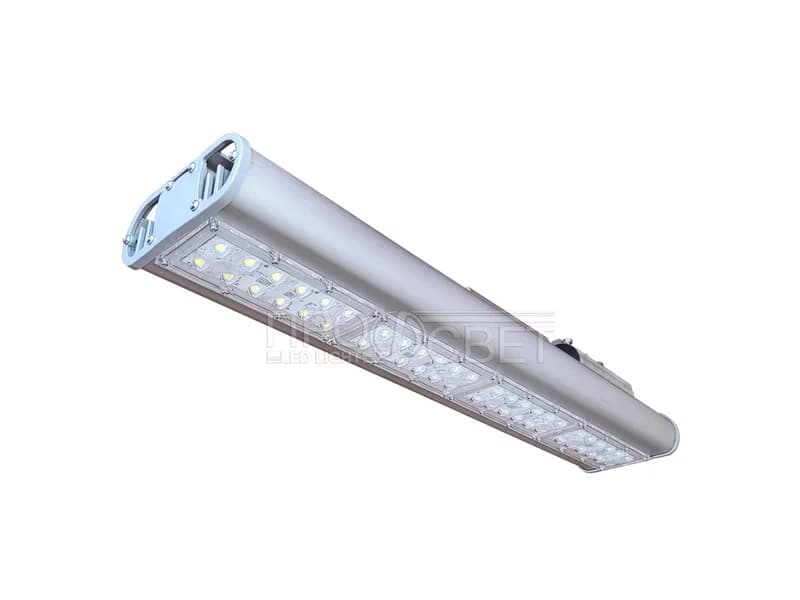
Открытые площадки, проезды, парковки и периметр промышленной территории требуют светильников с более высокой степенью защиты — IP67, поскольку они постоянно подвержены осадкам, пыли и температурным перепадам. Пример — Atlant-K Optic 80W: 128 светодиодов, световой поток до 12000 лм, IP67, цветовая температура 4000K/5000K, срок службы 100 000 часов, гарантия 5 лет, работа от сети 176–265 В переменного тока (запас по напряжению важен при нестабильном электроснабжении удалённых площадок). Такие светильники закрывают магистрали, автомобильные дороги и территории промышленных объектов, включая площадки предприятий общей промышленности — см. раздел общая промышленность.
Офисное освещение под потолок Армстронг
Административные здания и офисные помещения на промышленной площадке используют другой класс светильников — компактные панели под стандартную ячейку подвесного потолка 600×600 мм. Линейка офисных светильников Армстронг рассчитана на мощность 18–72W, IP20 (достаточно для сухих помещений без пыли), цветовую температуру 4000K/5000K и гарантию 5 лет. Здесь на первый план выходит не защита от пыли и влаги, а равномерность засветки и отсутствие бликов на мониторах — параметры, важные для длительной офисной работы, а не для промышленных нагрузок.
Аварийное освещение: требования и нормы
Аварийное освещение путей эвакуации, лестничных клеток и узлов связи — не опция, а требование норм пожарной и промышленной безопасности. При отключении основного электропитания такие светильники обязаны автоматически перейти на резервный источник и обеспечить видимость эвакуационных маршрутов в течение нормируемого времени.
Аварийные светильники линейки Сенат оснащены встроенным аккумулятором с временем автономной работы 3 часа, что покрывает большинство регламентных требований к эвакуационному освещению. Технические параметры: мощность 18W, цветовая температура 4000K/5000K, гарантия 3 года, светодиоды Samsung/Osram. При проектировании системы аварийного освещения важно:
- Обеспечить непрерывность световой дорожки по всему маршруту эвакуации без «слепых» участков
- Разместить светильники у выходов, на поворотах маршрута и на изменениях уровня пола (лестницы, пандусы)
- Проводить регулярную проверку автоматического переключения и остаточной ёмкости аккумулятора
- Документировать периодичность технического обслуживания в соответствии с внутренним регламентом объекта и требованиями надзорных органов
Специальные зоны: АЗС и растениеводство
Не всякая задача укладывается в стандартную линейку «цех / улица / офис / аварийное». Два показательных примера специального освещения:
Автозаправочные станции. Светильники для АЗС интегрируются в навесы над топливораздаточными колонками и работают в зоне повышенных требований к пожаробезопасности. Параметры: мощность 50–100W, цветовая температура 5000K (максимальная контрастность для контроля персоналом и водителями), степень защиты IP65, гарантия 5 лет.
Растениеводство и теплицы. Фитосветильники используют не стандартный белый спектр, а специализированный — под конкретную фазу роста растений (вегетация, цветение, плодоношение). Мощность 50W, IP65 для влажной среды теплиц, гарантия 3 года. Здесь цветовая температура как единая характеристика вообще не применяется — оценивается именно спектральный состав.
Сравнение по ключевым характеристикам
| Задача | Световой поток | IP | Цветовая температура | Гарантия |
|---|---|---|---|---|
| Цех, производство | 5000–5200 лм (Ares 40W) | IP65 | 4000K / 5000K | 3 года |
| Улица, магистраль | до 12000 лм (Atlant-K Optic 80W) | IP67 | 4000K / 5000K | 5 лет |
| Офис (Армстронг) | по мощности 18–72W | IP20 | 4000K / 5000K | 5 лет |
| Аварийные пути | — (18W, 3 ч автономии) | IP65 | 4000K / 5000K | 3 года |
| АЗС | по мощности 50–100W | IP65 | 5000K | 5 лет |
| Теплицы, растениеводство | по мощности 50W | IP65 | специальный спектр | 3 года |
Экономика: LED против натриевых и люминесцентных ламп
Главный аргумент в пользу перехода на LED — не экология и не мода, а прямая экономика. Натриевые газоразрядные лампы (ДНаТ) и линейные люминесцентные светильники, ещё массово встречающиеся на промышленных объектах, проигрывают LED по всем эксплуатационным статьям:
| Параметр | Натриевые / люминесцентные | LED-светильники |
|---|---|---|
| Световая отдача | 60–90 лм/Вт | 120–140 лм/Вт |
| Срок службы | 10 000–20 000 часов | до 100 000 часов |
| Время выхода на полную яркость | 3–10 минут (натриевые) | мгновенно |
| Чувствительность к включению/отключению | Сокращает ресурс лампы | Не влияет на ресурс |
| Обслуживание | Частая замена ламп и ЭПРА | Минимальное на весь срок гарантии |
| Работа при низких температурах | Ухудшенный розжиг | Без ограничений |
При замене, например, натриевых светильников 250W на LED-эквивалент с сопоставимым световым потоком экономия электроэнергии обычно составляет 50–65%, а с учётом кратно большего срока службы и почти нулевых затрат на обслуживание срок окупаемости проекта на промышленном объекте с многосменным режимом работы, как правило, укладывается в 12–24 месяца. Дополнительный, не всегда учитываемый эффект — сокращение затрат на подъёмную технику и простои линии для замены ламп на высоте, что особенно ощутимо на объектах горнодобывающей и металлургической отраслей с трудным доступом к осветительным опорам.
Чек-лист при выборе промышленного светильника
- Определена зона: цех, склад, улица, офис, аварийный путь, АЗС или специальная задача
- Рассчитана требуемая освещённость (лк) под конкретный тип работ
- Проверен паспортный световой поток (лм), а не только заявленная мощность (Вт)
- Подтверждена степень защиты IP, соответствующая условиям эксплуатации
- Выбрана цветовая температура под задачу (4000K для комфортной работы, 5000K для контроля деталей)
- Проверен производитель чипов — Samsung или Osram предпочтительнее безымянных аналогов
- Сопоставлены заявленный срок службы (100 000 часов) и реальная гарантия производителя
- Для аварийного освещения — подтверждено время автономной работы и соответствие маршрута эвакуации нормам
- Посчитан срок окупаемости по сравнению с текущим освещением (натриевым или люминесцентным)
Полный каталог светильников и производителя оборудования — на странице производителя LED-освещения.
Вывод
Выбор промышленного LED-светильника — это не поиск максимальной мощности за минимальную цену, а подбор класса, IP-защиты, цветовой температуры и качества чипа под конкретную зону эксплуатации: цех, открытую площадку, офис, аварийный путь или специальную зону вроде АЗС и теплицы. Правильный подбор даёт двойной эффект: снижает энергопотребление на 50–65% по сравнению с натриевыми и люминесцентными лампами и одновременно повышает безопасность за счёт равномерного, стабильного и достаточно яркого освещения рабочих зон. При сроке службы до 100 000 часов и гарантии производителя 3–5 лет качественное промышленное освещение окупается быстрее, чем большинство других инвестиций в модернизацию объекта — обычно в течение одного-двух лет эксплуатации.
Оборудование в статье
Цены и сроки поставки в Казахстан KEG TRK сообщает по запросу. Подготовим коммерческое предложение под вашу задачу.
Светильник промышленный Ares 40W
Промышленный LED-светильник Ares 40W с 64 диодами для освещения производственных помещений
Светильник уличный Atlant K Optic 80W
Уличный LED-светильник Atlant K Optic 80W с 128 диодами и световым потоком до 12000 лм для освещения магистралей
Также в статье: Аварийный светильник Сенат, Светильник для АЗС Сенат
Читайте также
10.10.2026
Что такое вибродиагностика оборудования и с чего начать
Вибродиагностика — контроль состояния машин по вибрации опор. Что измеряют, чем маршрутный контроль отличается от онлайн-мониторинга, какие дефекты видно в спектре и как начать программу.
10.10.2026
Диагностика электродвигателя: какие методы что показывают
Вибрация, ультразвук, термография, анализ тока (MCSA/ESA), анализ цепи двигателя (MCA), мегаомметр и анализ масла: какие дефекты видит каждый метод, где его предел и как их сочетать.
10.10.2026
Как найти утечку сжатого воздуха на производстве: 5 способов
Утечку сжатого воздуха находят в два шага: оценивают потери по работе компрессора, затем ищут точки ультразвуковым детектором или камерой. Пять способов и где они работают.