
Смазка подшипников насоса и вентилятора: регламент vs состояние
Как смазывать подшипники насосов и вентиляторов на ТЭЦ, ГОК и в цехе: отличия от электродвигателя, типичные ошибки и когда календарь вреднее, чем польза.
Насосы и вентиляторы (дымососы, дутьевые, охлаждающие) — самые частые точки маршрута смазки после электродвигателей. Запросы «смазка подшипников насоса» и «смазка подшипников вентилятора» почти всегда про одно: календарь не совпадает с реальной нагрузкой, а механик компенсирует это лишними качками.
Чем насос и вентилятор отличаются от «просто мотора»
Часто смазывают подшипники самого агрегата и подшипники приводного двигателя как одну точку. Это ошибка карты:
| Узел | Особенности |
|---|---|
| Двигатель | Обычно пластичная смазка, пресс-маслёнки на щитах; см. смазка ЭД |
| Насос (корпус / кронштейн) | Возможны отдельные камеры, влияние перекачиваемой среды, вибрация от кавитации |
| Вентилятор / дымосос | Высокая скорость, дисбаланс лопаток, температура газового тракта, вертикальные валы |
Разные марки смазки на соседних точках — норма. Смешивать нельзя (несовместимость).
Типичные сценарии отказа из‑за смазки
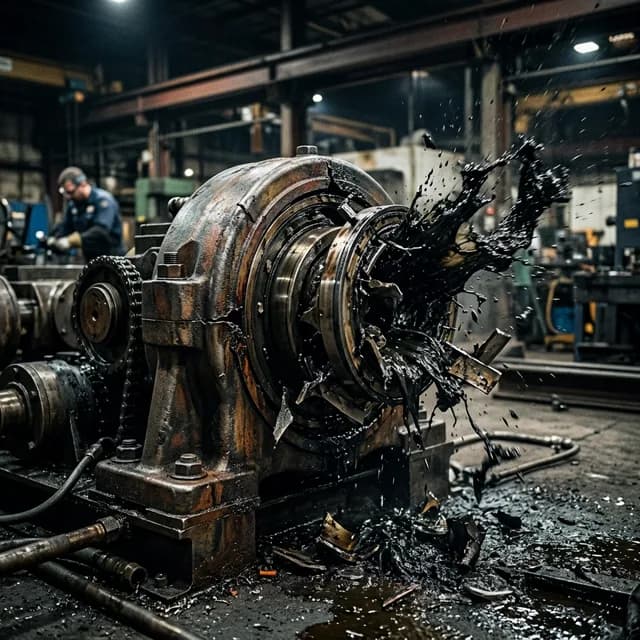
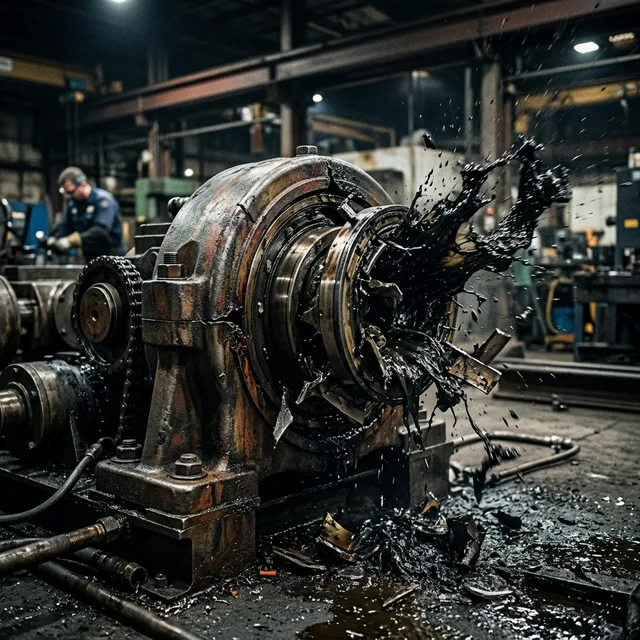
- Пересмазка насоса «после вибрации» — вибрация была от кавитации или несоосности, а в камеру добавили смазку. Температура выросла, уплотнение выдавило. См. пересмазка и кавитация насоса.
- Горячий подшипник вентилятора → «добавить смазки» — часто уже churning от избытка. См. греется подшипник.
- Одинаковый интервал зимой и летом — на дымососе в горячем тракте смазка живёт иначе, чем на вентиляторе холодного склада.
- Смазка при закрытом дренаже на корпусных подшипниках насоса.
Оборудование по теме статьи
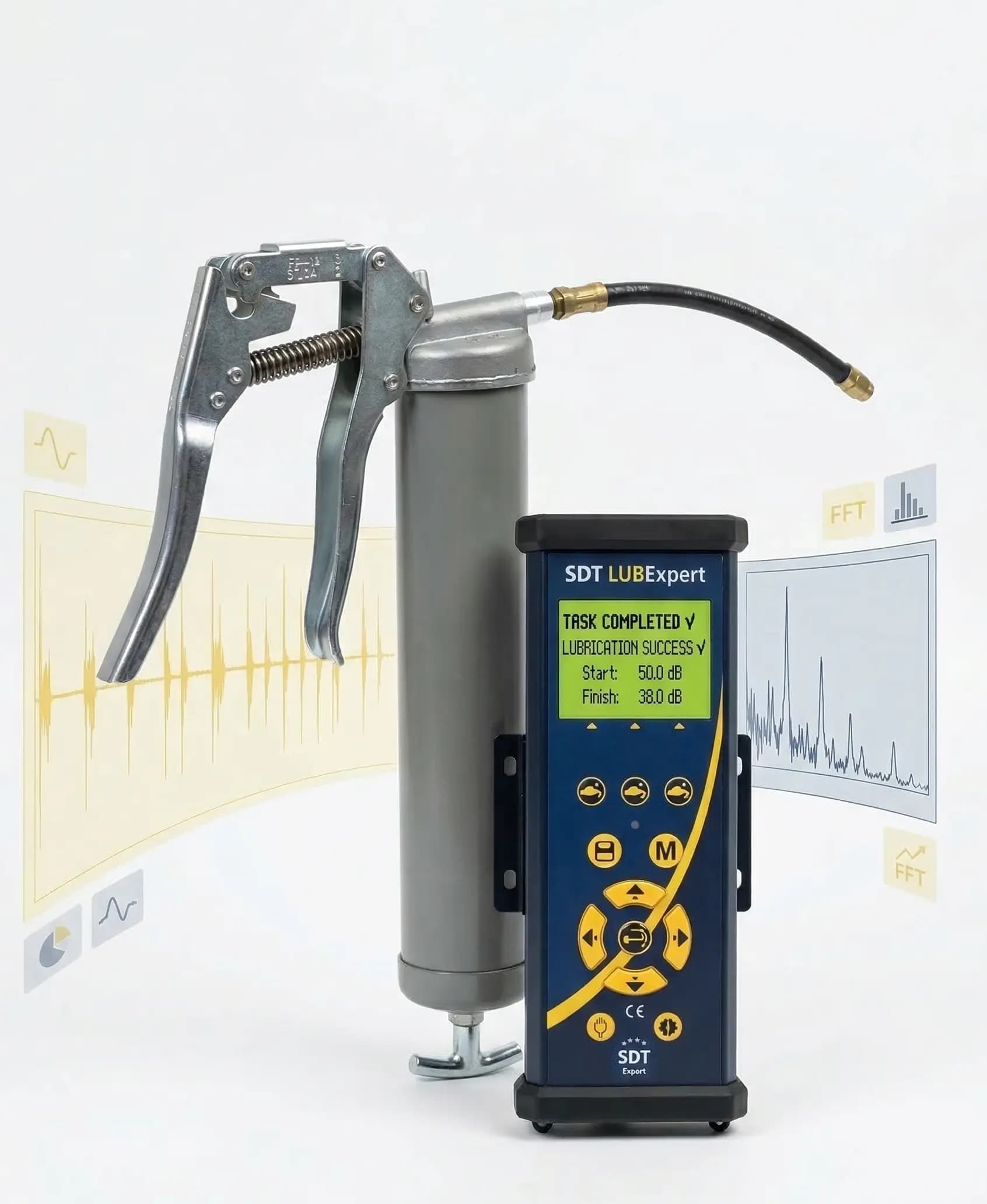
LUBExpert — ультразвуковой ассистент смазки подшипников SDT
Прибор SDT для точной смазки подшипников качения по ультразвуку: подсказывает, когда добавить смазку и когда остановиться, ведёт по маршруту из UAS3 и выдаёт итог GOOD…
Регламент: что оставить, что заменить
Оставьте в регламенте:
- утверждённую марку (выбор пластичной смазки);
- максимальную разовую дозу (формула как потолок);
- требование чистого ниппеля и открытого дренажа (техника).
Замените «жёсткую дату» на:
- обход с измерением трения / температуры / вибрации;
- решение смазывать / пропустить / остановиться по состоянию.
Почему таблицы интервалов врут — как часто смазывать подшипники.
Практический маршрут для насосной / вентиляторной
- Список критичных агрегатов (резерв ГВС, дымосос котла, ОФ-насосы).
- Раздельные точки: DE/NDE двигателя, подшипники агрегата.
- Перед смазкой — быстрая оценка: нет ли уже перегрева и признаков пересмазки.
- Малые порции + стоп по дренажу или по акустике.
- Запись в CMMS: дата, объём, результат.
Где помогает ультразвук
На насосах и вентиляторах ультразвук полезен дважды:
- до смазки — нужно ли вообще трогать точку сегодня;
- во время — когда плёнка восстановлена и пора остановиться.
Для маршрутной работы используют LUBExpert и режим смазки на SDT340. На критичных насосах, где обход редок, смотрят в сторону автосмазки по состоянию (LUBExpert ON-GUARD) — сравнение подходов в статье ручная vs автоматическая смазка.
KEG TRK сопровождает программы смазки насосного и вентиляторного парка в Казахстане. Консультация.
Оборудование в статье
Цены и сроки поставки в Казахстан KEG TRK сообщает по запросу. Подготовим коммерческое предложение под вашу задачу.
LUBExpert — ультразвуковой ассистент смазки подшипников SDT
Прибор SDT для точной смазки подшипников качения по ультразвуку: подсказывает, когда добавить смазку и когда остановиться, ведёт по маршруту из UAS3 и выдаёт итог GOOD…
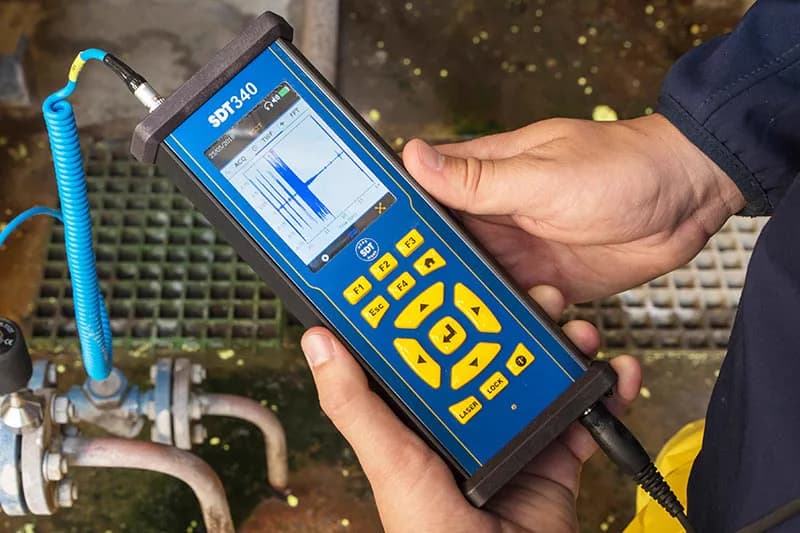
SDT340 - Продвинутый ультразвуковой детектор
Самый продвинутый ультразвуковой детектор для сбора, анализа и трендирования данных
Читайте также
25.07.2026
Смазка подшипников электродвигателя: сколько, чем и как часто
Практическое руководство по смазке подшипников электродвигателей: тип смазки, объём, дренаж, интервал и почему «подшприцевать горячий мотор» часто усугубляет перегрев.
17.04.2026
Как часто смазывать подшипники: почему таблицы и формулы врут
Интервал смазки по каталогу — это среднее по больнице. Разбираем, почему фиксированный график убивает подшипники — и как ультразвук даёт точный ответ.
25.07.2026
Что такое акустическая смазка подшипников и чем она лучше календаря
Простыми словами: акустическая (ультразвуковая) смазка — это подача пластичной смазки по уровню трения, а не по дате в регламенте. Как это работает и кому подходит.