
Утечки в теплообменниках и конденсаторах: ультразвуковой метод обнаружения
Трубные пучки конденсаторов и теплообменников ТЭЦ и металлургии дают микроутечки задолго до видимого падения вакуума. Как SDT340 и метод «воздух под давлением» локализуют дефектную трубку без полной разборки.
На ТЭЦ падение вакуума в конденсаторе турбины или рост расхода подпиточной воды часто списывают на «общее состояние» системы. На практике микроутечка в одной-двух трубках пучка уже съедает КПД и размывает сроки между капитальными ремонтами. Разборка и гидравлическое испытание всего пучка дороги. Ультразвук позволяет локализовать дефект быстрее.
Почему трубки текут
| Причина | Где типично |
|---|---|
| Эрозия / кавитация на входе | конденсаторы, маслоохладители |
| Коррозия (хлориды, аммиак) | химия, водоподготовка |
| Вибрация трубки в перегородках | крупные теплообменники |
| Механическое повреждение при чистке | после ТО |
Утечка «вода–пар» или «вода–масло» долго маскируется, пока не вырастет кондуктивность или расход компенсирующей подпитки.
Ультразвуковой метод: два сценария
1. Аппарат на месте, доступ к трубной доске
- Открыть крышку водяной камеры / водяной стороны.
- Заглушить / изолировать контур по методике завода.
- Подать сжатый воздух (или азот) в межтрубное / трубное пространство по регламенту (обычно низкое давление — ориентир 0,5–2 бар, по паспорту).
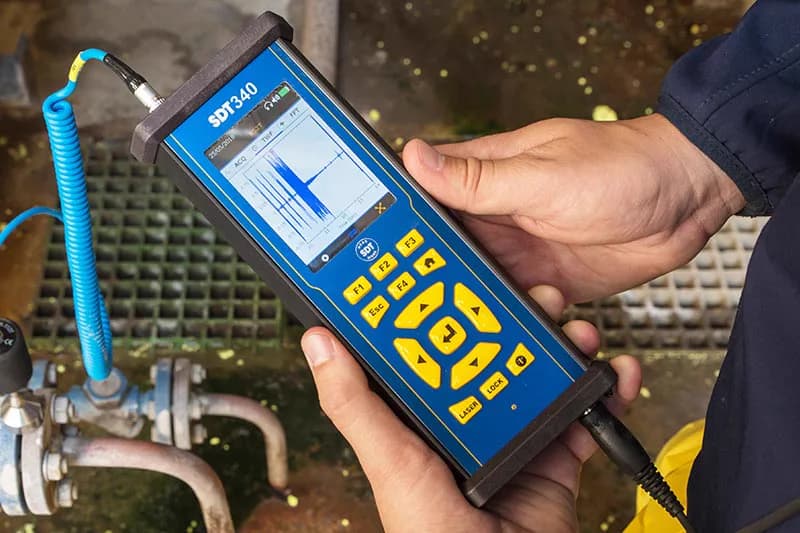
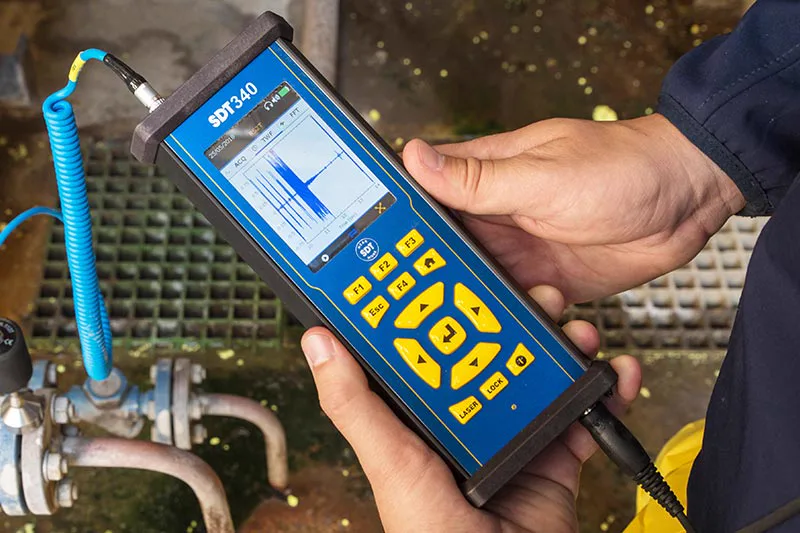
- Обследовать трубную доску SDT340 или LEAKChecker: дефектная трубка «свистит» ультразвуком.
2. Работающий вакуумный конденсатор
При вакууме на паровой стороне воздух всасывается через микроотверстие. Воздушный датчик SDT фиксирует турбулентный вдув на фланцах, люках и, при доступе, на трубной доске во время останова.
Связанный материал по утечкам: утечки сжатого воздуха.
Оборудование по теме статьи
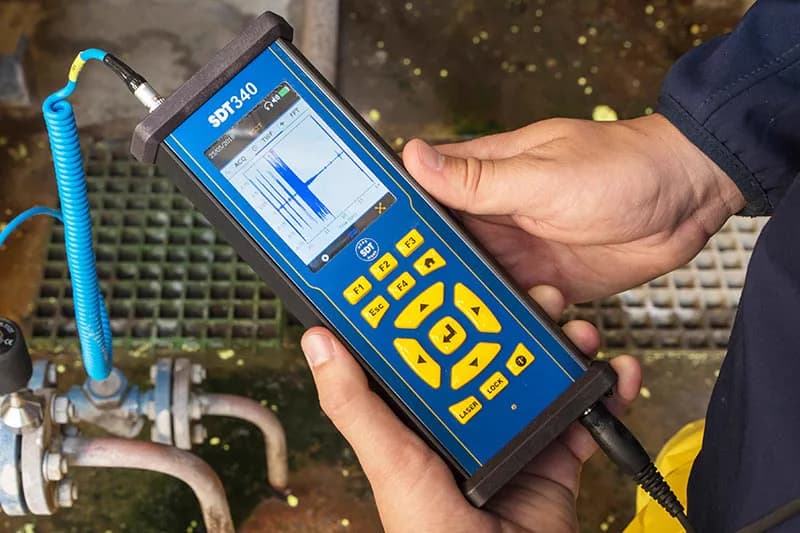
SDT340 - Продвинутый ультразвуковой детектор
Самый продвинутый ультразвуковой детектор для сбора, анализа и трендирования данных
Практические советы
- Маркируйте каждую «громкую» трубку маркером — фото в отчёт.
- Сравнивайте уровень dBµV с соседними исправными трубками, а не с абсолютным порогом.
- После заглушки — повторный обход: уровень должен упасть.
- Для паровых ловушек на обвязке — отдельный маршрут TRAPChecker / SDT270.
Где это критично в Казахстане
- ТЭЦ / ГРЭС — конденсаторы турбин, маслоохладители, подогреватели ПВД/ПНД.
- Металлургия — охладители прокатных станов, конвертерные контуры.
- Химия — кожухотрубные теплообменники технологических сред.
Страницы применений: энергетика, металлургия.
Связь с другими методами
| Метод | Роль |
|---|---|
| Ультразвук SDT | локализация трубки / фланца |
| Гидроиспытание | подтверждение герметичности после ремонта |
| Химконтроль (кондуктивность) | ранний сигнал «есть проблема» |
| Вибрация / ESA на насосах | косвенно — рост нагрузки циркуляционных насосов |
Для циркуляционных и конденсатных насосов дополняйте ESA Artesis и диагностику кавитации.
Вывод
Ультразвуковой обход трубной доски — самый быстрый способ найти дефектную трубку без «гадания» по всему пучку. В программе надёжности ТЭЦ он стоит рядом с аудитом паровых ловушек и утечек сжатого воздуха — см. SDT на ТЭЦ и 8 столпов ультразвука.
Оборудование в статье
Цены и сроки поставки в Казахстан KEG TRK сообщает по запросу. Подготовим коммерческое предложение под вашу задачу.
SDT340 - Продвинутый ультразвуковой детектор
Самый продвинутый ультразвуковой детектор для сбора, анализа и трендирования данных
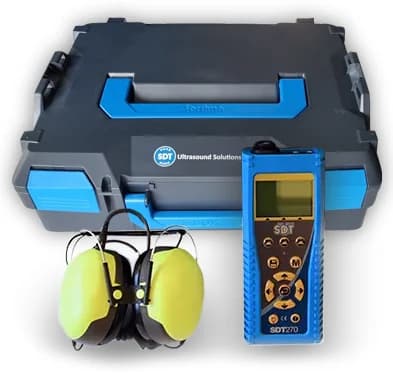
SDT270 — ультразвуковой детектор и сборщик данных SDT
Ручной ультразвуковой сборщик данных SDT: 2 канала, полоса до 100 kHz, встроенные ИК-термометр и лазерный тахометр, вход для ICP-акселерометра, запись сигналов для…
Также в статье: LEAKChecker - Детектор утечек сжатого воздуха
Читайте также
17.07.2026
Диагностика муфт и соединений валов ультразвуком: ранние признаки разрушения
Эластичные, зубчатые и кулачковые муфты дают характерный ультразвуковой сигнал задолго до вибрационной тревоги. Методика осмотра SDT340 на насосах, компрессорах и приводах редукторов.
10.10.2026
Сравнение ультразвуковых течеискателей: на что смотреть при выборе
Ультразвуковые течеискатели сравнивают по задачам, датчикам и дальности, полосе частот, записи данных и отчётам, исполнению ATEX и условиям работы. Критерии выбора и таблица по моделям SDT.
06.10.2026
Поиск подсоса воздуха в вакуумной системе: где проверять и как подтвердить утечку
Вакуум не достигает уставки или падает под нагрузкой: маршрут проверки фланцев, шлангов, клапанов и уплотнений, выбор метода и контроль после ремонта.