
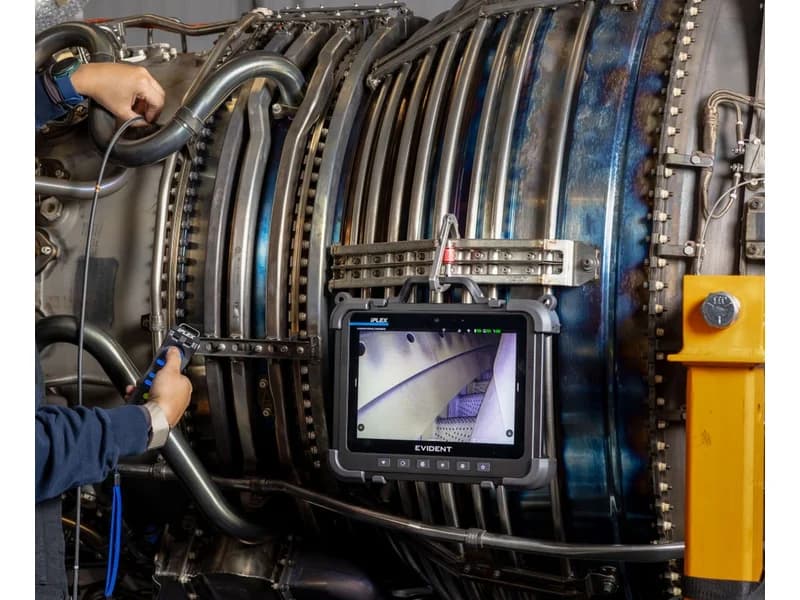
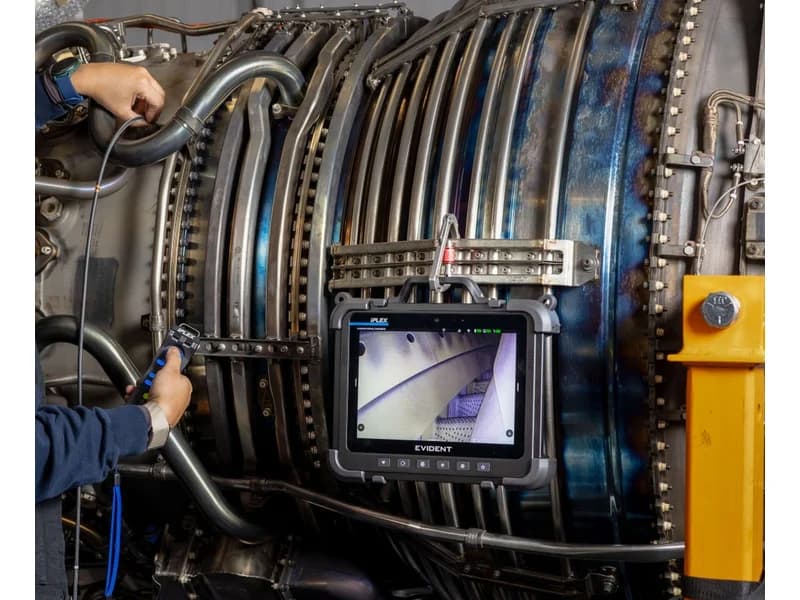
Какой видеоэндоскоп IPLEX выбрать: One, NX, GX/GT, GAir или TX II
Сравнение промышленных видеоскопов Olympus IPLEX: когда нужен IPLEX One, NX, GX/GT, длинный GAir или ультратонкий TX II
Remote visual inspection без путаницы в моделях
Линейка IPLEX закрывает одну задачу — посмотреть туда, куда глаз и камера телефона не достают: турбины, теплообменники, трубопроводы, узкие полости, отливки. Разница между моделями — в диаметре/длине зонда, измерении, эргономике и том, строите ли вы единую платформу или берёте узкий инструмент.
Ниже — практический гид для энергетиков, нефтегаза, авиационного MRO и подрядчиков НК.
Быстрая матрица
| Сценарий | Модель |
|---|---|
| Новая единая платформа RVI на годы вперёд | IPLEX One |
| Высокое качество изображения + 3D-измерения (классика) | IPLEX NX |
| Баланс цена/функции, сменные зонды | IPLEX GX/GT |
| Компактный обход и регулярный визуальный контроль | IPLEX G Lite |
| Длинные трубы / теплообменники 20–30 м | IPLEX GAir |
| Очень узкий доступ 1,8–2,2 мм | IPLEX TX II |
Оборудование по теме статьи
Olympus IPLEX One — видеоэндоскоп 10-го поколения
Десятое поколение видеоэндоскопов IPLEX от Olympus (Evident): уровни Plus, Expert и Prime на одной аппаратной платформе, оптика Swoptix без извлечения зонда, 3DAssist…
IPLEX One — платформа, а не «ещё один видеоскоп»
IPLEX One — 10-е поколение: общее железо, уровни Plus / Expert / Prime через ПО, Swoptix (смена near/far и direct/side без замены наконечника), 3DAssist, экран ~10″, интеграция с ViSOL.
Берите, если:
- хотите стандартизировать парк RVI на одной платформе;
- важны скорость обхода турбин/полостей и измерение без лишних смен tip’ов;
- планируете цифровой workflow отчётов.
Не обязательно сразу, если нужен только редкий осмотр коротких полостей — дешевле начать с G Lite / GX.
IPLEX NX — проверенный флагман изображения
IPLEX NX остаётся сильным выбором, когда критичны качество картинки, стерео/3D-измерения и привычный интерфейс. Типичные длины зондов — от нескольких метров, диаметры порядка 4–8 мм в зависимости от комплектации.
Хорош для турбин, камер сгорания, сложных внутренних объёмов, где «увидеть дефект» важнее длины трассы.
IPLEX GX/GT — рабочая середина
IPLEX GX/GT — баланс яркости, сменных зондов и стоимости владения. Подходит сервисным бригадам, которым нужен универсальный видеоскоп без покупки всей экосистемы One.
G Lite — компакт для регулярных обходов
G Lite / G Lite W — когда инспекция частая, а задачи типовые: быстрый визуальный контроль, мобильность, меньше «тяжёлой» метрологии.
GAir — когда не хватает длины
IPLEX GAir закрывает 20 м и 30 м с пневматической артикуляцией. Это не замена NX/One на турбине: это инструмент для протяжённых трубопроводов, теплообменников, длинных каналов.
Если в ТЗ «долезть на 25 метров» — без GAir (или аналога по длине) обычный IPLEX не спасёт.
TX II — ультратонкий доступ
IPLEX TX II — гибкий ~2,2 мм или жёсткий ~1,8 мм. Нужен для мелких отверстий, отливок, узких каналов, где 4–6 мм зонд физически не проходит.
Часто TX II используют как «разведчик», а измерение/детализацию делают уже 4–6 мм системой.
Как сформулировать потребность поставщику
- Диаметр доступа (мм) и длина трассы (м).
- Нужны ли измерения (скаляр / стерео / 3D) или только фото/видео.
- Среда: масло, температура, ATEX/опасная зона, удалённый пульт.
- Один прибор на всё или связка (например TX II + One/NX + GAir).
Каталог моделей — в разделе промышленных эндоскопов, обзор линейки — на странице Olympus. KEG TRK поможет собрать комплектацию зонда и оптических адаптеров под ваш объект.
Оборудование в статье
Цены и сроки поставки в Казахстан KEG TRK сообщает по запросу. Подготовим коммерческое предложение под вашу задачу.
Olympus IPLEX One — видеоэндоскоп 10-го поколения
Десятое поколение видеоэндоскопов IPLEX от Olympus (Evident): уровни Plus, Expert и Prime на одной аппаратной платформе, оптика Swoptix без извлечения зонда, 3DAssist…
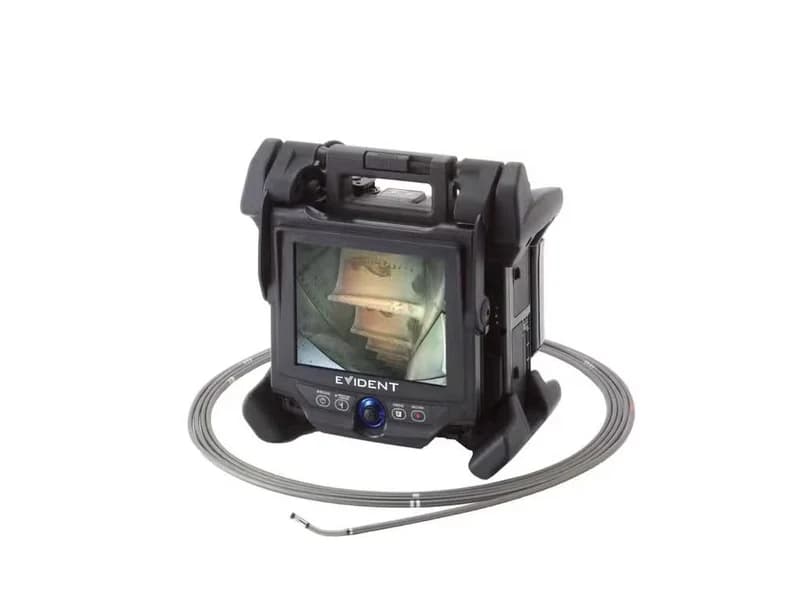
Olympus IPLEX NX — флагманский промышленный видеоэндоскоп
Флагманский видеоэндоскоп Olympus (Evident): лазерная подсветка до 4 раз ярче, стереоизмерение и 3D-моделирование дефекта, сенсорный экран 8,4", зонды Ø4,0–6,2 мм длиной…
Также в статье: Olympus IPLEX GX/GT — видеоэндоскоп с сенсорным экраном 8", Olympus IPLEX G Lite — компактный промышленный видеоэндоскоп, Olympus IPLEX GAir — видеоэндоскоп 20–30 м для трубопроводов, Olympus IPLEX TX II — ультратонкий видеоэндоскоп
Читайте также
23.07.2026
RVI турбин и теплообменников: какой IPLEX нужен на площадке
Визуальная инспекция турбин, камер сгорания и теплообменников: когда брать IPLEX One/NX, когда GAir на длинную трассу и когда TX II на узкий доступ
22.07.2026
Толщинометрия, дефектоскоп или PAUT: что нужно для НК на площадке
Когда хватит толщиномера Olympus, когда нужен EPOCH и когда оправдана фазированная решётка OmniScan — простая схема выбора метода НК
22.07.2026
Какой толщиномер Olympus выбрать: 27MG, 38DL, 39DL, 45MG или 72DL
Сравнение толщиномеров Olympus/Evident для коррозии, покрытий и точных измерений — что взять на ТЭЦ, НПЗ, ГОК и в лабораторию