
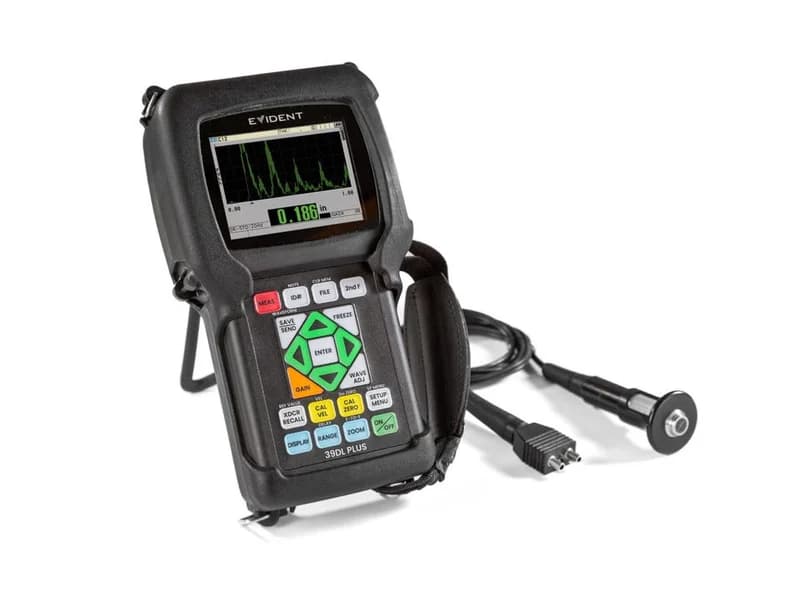
Какой толщиномер Olympus выбрать: 27MG, 38DL, 39DL, 45MG или 72DL
Сравнение толщиномеров Olympus/Evident для коррозии, покрытий и точных измерений — что взять на ТЭЦ, НПЗ, ГОК и в лабораторию
Зачем сравнивать модели
В каталоге толщиномеров Olympus несколько приборов с похожими названиями. На практике разница не в «крутизне бренда», а в задаче: коррозия труб, покрытия, тонкие слои, пластик или лабораторная точность.
Ниже — рабочая матрица для служб надежности и ОТК в Казахстане: ТЭЦ, НПЗ, ГОК, металлургия, сервисные подрядчики.
Быстрый ответ
| Задача | Прибор |
|---|---|
| Базовый обход коррозии труб/ёмкостей | 27MG |
| Универсальный полевой коррозионный контроль | 38DL PLUS или 39DL PLUS |
| Коррозия + покрытия THRU-COAT, гибкие опции | 45MG |
| Многослойные покрытия, высокая скорость, тонкие слои | 72DL PLUS |
| Пластик, стекло, неферромагнитные стенки | Magna-Mike 8600 |
Если нужен один «основной» прибор на площадку с цифровым журналом и быстрым сканом минимума толщины — смотрите 39DL PLUS. Если бюджет ограничен и задача только «остаточная толщина стенки» — 27MG.
Оборудование по теме статьи
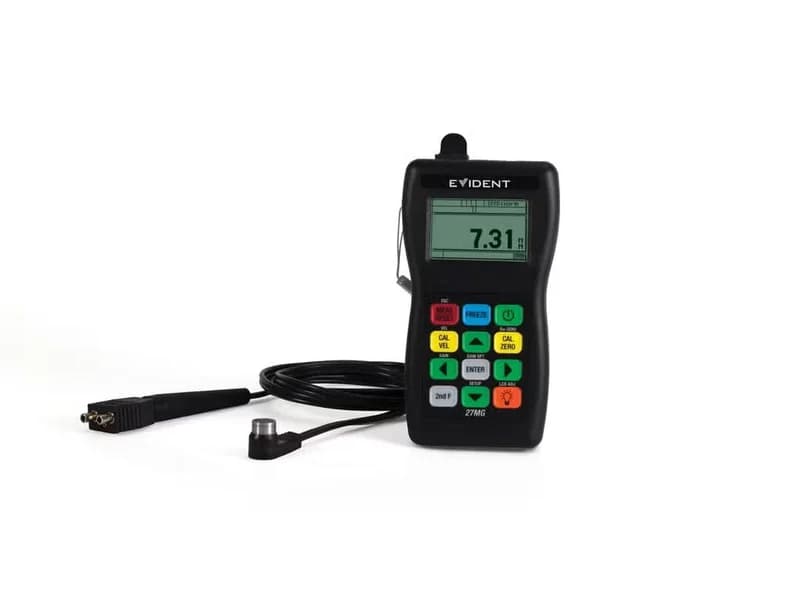
Olympus 27MG — ультразвуковой толщиномер для контроля коррозии
Простой ультразвуковой толщиномер Olympus (Evident) для контроля коррозии: 0,5–635 мм, раздельно-совмещённые датчики 2,25–10 МГц, режим Min/Max 20 замеров в секунду, 150…
27MG — вход в коррозионный мониторинг
27MG — лёгкий одноручный толщиномер для internally corroded труб и деталей. Минимум настроек, dual-element датчик, понятный экран.
Берите, если:
- нужен простой прибор для обходчиков;
- задача — остаточная толщина металла с одной стороны;
- нет требования к Wi-Fi, большим файлам и сложным режимам.
Не берите, если: нужны покрытия, precision single-element, высокий темп сканирования или беспроводная выгрузка данных.
38DL PLUS и 39DL PLUS — полевой стандарт
38DL PLUS долго был «рабочей лошадкой»: dual/single element, большой диапазон, память, IP65.
39DL PLUS — актуальный флагман того же класса: коррозия и precision, сканирование с обновлением до 60 Гц, Wi-Fi / Bluetooth / USB / microSD, THRU-COAT и echo-to-echo.
Практическое правило:
- обновляете парк или пишете новый тендер → 39DL PLUS;
- уже есть обученный персонал и парк 38DL → можно дополнять 39DL, не выкидывая старые приборы сразу.
Оба закрывают трубы, сосуды, резервуары, корпуса — типовые объекты ТЭЦ и нефтегаза.
45MG — когда важны опции и покрытия
45MG часто выбирают как гибкую платформу: базовые измерения + программные опции под задачу, в том числе THRU-COAT для толщины покрытия без снятия краски (с совместимыми датчиками, например D7906-SM).
Берите, если:
- на площадке и коррозия, и контроль ЛКП/покрытий;
- хотите наращивать функции опциями, а не менять прибор целиком.
72DL PLUS — скорость и многослойность
72DL PLUS — для задач, где обычного полевого толщиномера мало: высокие частоты, тонкие минимумы, отображение нескольких слоёв покрытия, работа ближе к лабораторному темпу на производстве.
Берите, если:
- многослойные покрытия и точный контроль слоёв;
- нужен высокоскоростной процесс на линии / в ОТК.
Для «просто померить стенку трубы на обходе» 72DL обычно избыточен.
Magna-Mike 8600 — не ультразвук
Magna-Mike 8600 измеряет толщину эффектом Холла: зонд с одной стороны, магнитный шарик/диск/проволока с другой. Это другой физический принцип.
Подходит для пластика, стекла, ряда композитов и неферромагнитных тонкостенных изделий — там, где УЗ-толщиномер неудобен или даёт спорный сигнал.
Как выбрать за 5 вопросов
- Металл с доступом с одной стороны? → УЗ-толщиномер (27/38/39/45/72).
- Нужен только остаток стенки? → 27MG или 39DL.
- Нужны покрытия без снятия краски? → 45MG / 39DL с THRU-COAT.
- Нужны многослойность и тонкие минимумы? → 72DL PLUS.
- Пластик / стекло / тонкий неферромагнитный материал? → Magna-Mike.
После выбора прибора не забудьте датчики и калибровочные образцы — в каталоге НК есть преобразователи D790, D791, M112 и step wedge.
Что поставить в заявку
Для большинства промышленных площадок в Казахстане рабочий стартовый комплект:
- 39DL PLUS (или 45MG, если приоритет покрытия)
- Dual-element датчик под трубы
- Куплант и ступенчатый образец
- При необходимости — отдельный Magna-Mike под пластик/упаковку
Полный каталог толщиномеров — в разделе НК / толщинометрия. Подбор под объект и обучение операторов — через страницу Olympus или контакты KEG TRK.
Оборудование в статье
Цены и сроки поставки в Казахстан KEG TRK сообщает по запросу. Подготовим коммерческое предложение под вашу задачу.
Olympus 27MG — ультразвуковой толщиномер для контроля коррозии
Простой ультразвуковой толщиномер Olympus (Evident) для контроля коррозии: 0,5–635 мм, раздельно-совмещённые датчики 2,25–10 МГц, режим Min/Max 20 замеров в секунду, 150…
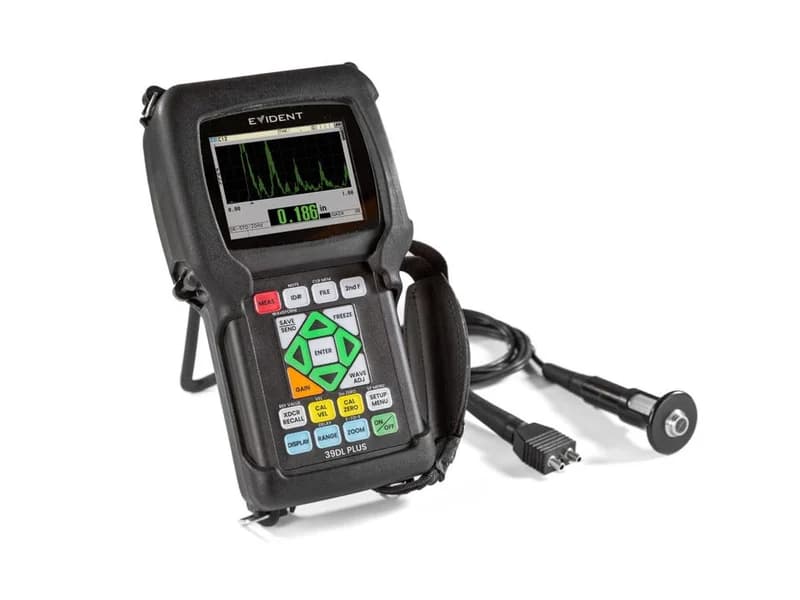
Olympus 39DL PLUS — ультразвуковой толщиномер
Пришёл на смену модели Olympus 38DL PLUS, снятой с производства
Универсальный ультразвуковой толщиномер Olympus (Evident), преемник 38DL PLUS: толщина 0,08–635 мм, обновление до 60 Гц, совмещённые и раздельно-совмещённые датчики…
Также в статье: Olympus 45MG — ультразвуковой толщиномер, Olympus 72DL PLUS — высокочастотный ультразвуковой толщиномер, Olympus Magna-Mike 8600 — толщиномер на эффекте Холла
Читайте также
22.07.2026
Толщинометрия, дефектоскоп или PAUT: что нужно для НК на площадке
Когда хватит толщиномера Olympus, когда нужен EPOCH и когда оправдана фазированная решётка OmniScan — простая схема выбора метода НК
23.07.2026
Коррозионный мониторинг труб и сосудов на ТЭЦ и НПЗ: как строить маршрут толщинометрии
Как организовать полевой коррозионный мониторинг трубопроводов и сосудов на ТЭЦ и НПЗ: точки контроля, частота, приборы Olympus 39DL/38DL и связь с PdM
22.07.2026
Какой видеоэндоскоп IPLEX выбрать: One, NX, GX/GT, GAir или TX II
Сравнение промышленных видеоскопов Olympus IPLEX: когда нужен IPLEX One, NX, GX/GT, длинный GAir или ультратонкий TX II