
Мониторинг прокатного стана: ESA для двигателей вспомогательных и главных приводов
На прокатных станах Казахстана вибрация закрывает крупные клети, но парк двигателей рольгангов, моталок и насосов охлаждения часто остаётся без предиктивного контроля. Как Artesis e-MCM и AMT Pro дополняют вибромониторинг.
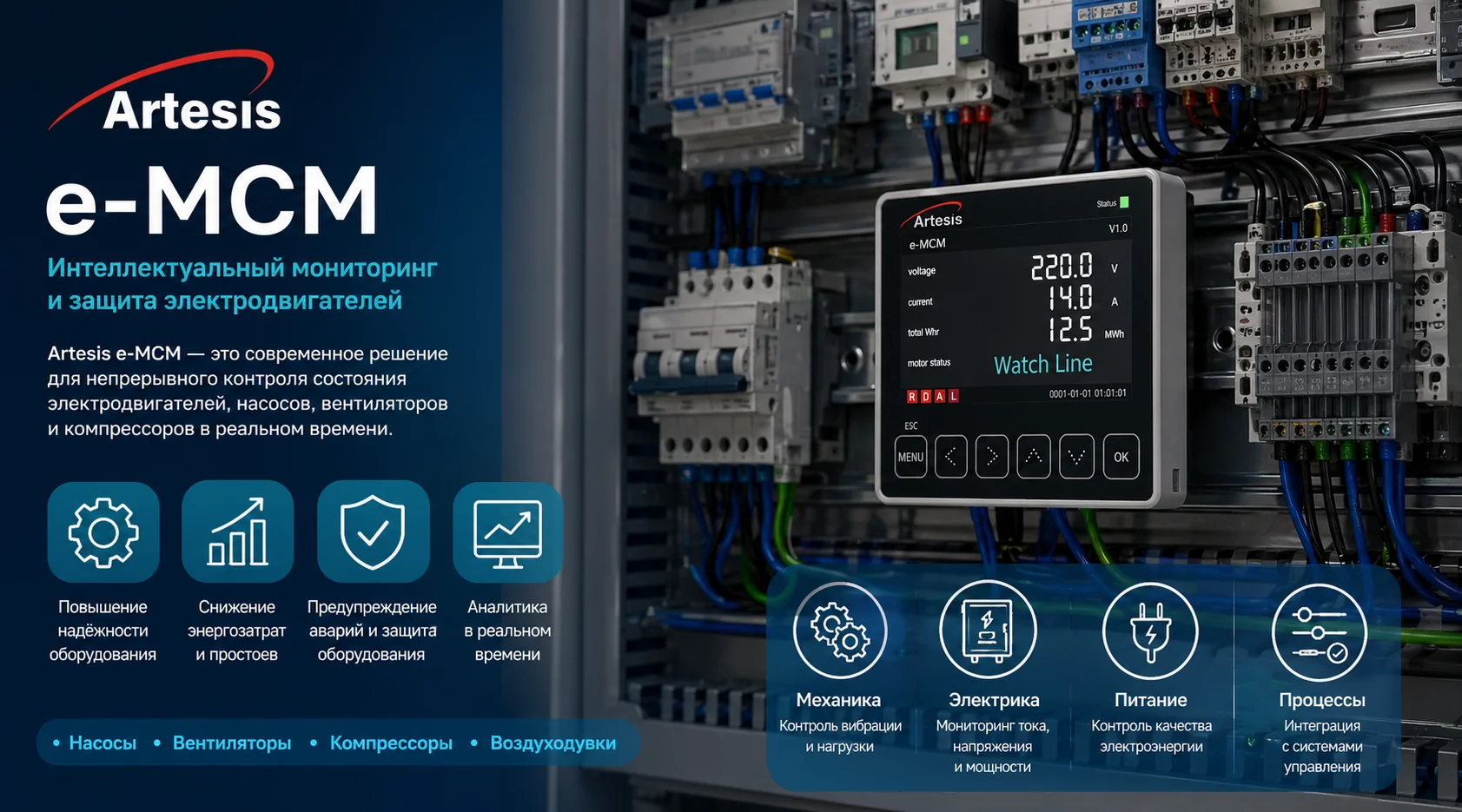
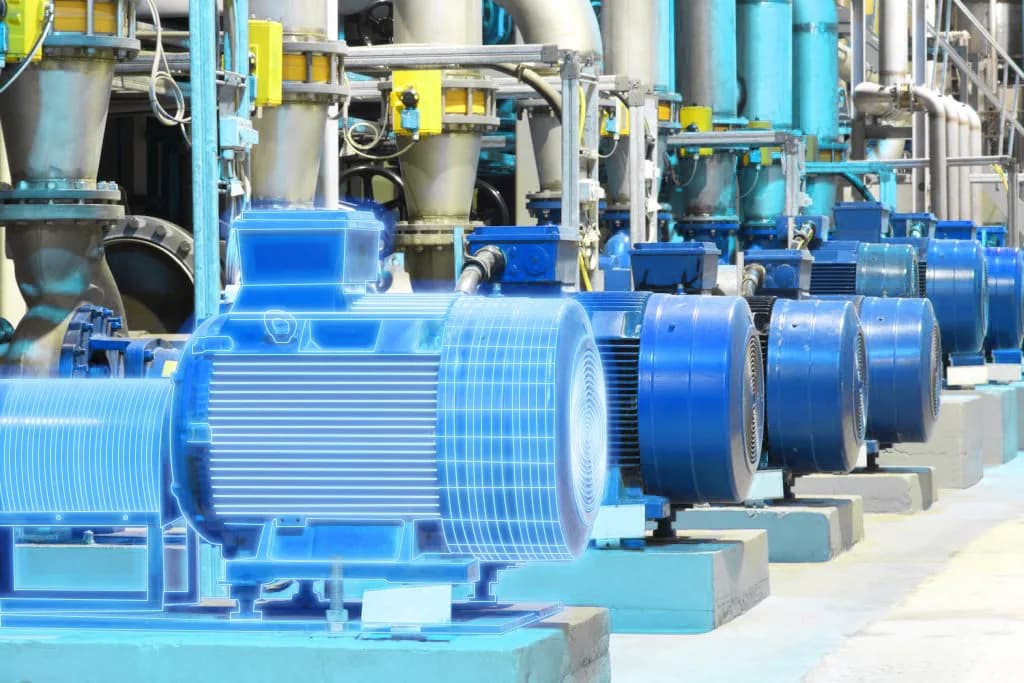
Горячий и холодный прокат — высокоэнергетические процессы. На крупных клетях уже стоят системы вибромониторинга. Но сотни электродвигателей вокруг стана — рольганги, моталки, ножницы, гидростанции, вентиляторы печей — часто обслуживаются «по регламенту» или после отказа. Именно здесь выигрывает ESA без датчиков на машине.
Карта рисков вокруг клети
| Узел | Типичный отказ | Что видит ESA |
|---|---|---|
| Привод рольганга | подшипник, обмотка, перегруз | ток, гармоники, механика |
| Моталка / разматыватель | дисбаланс, ослабление | модуляцию момента |
| Насосы охлаждения / эмульсии | кавитация, засор | процессные аномалии |
| Дымососы / вентиляторы печи | дисбаланс, лопатки | механика + электрика |
| Главный привод (если доступен ток) | ранняя электрика | дополнение к вибрации |
Страница применения: прокатные станы.
Почему вибрация не закрывает весь парк
- Доступ — рольганги в зоне окалины, датчики живут недолго.
- Количество — 50–200 двигателей на линию; полный вибромониторинг дорог.
- Электрика — межвитковое замыкание вибрация не видит.
- ПЧ — частые пуски и реверсы на рольгангах усложняют пороги.
Сравнение ESA / MCSA / вибрации — для вспомогательного парка ESA обычно оптимальнее.
Оборудование по теме статьи
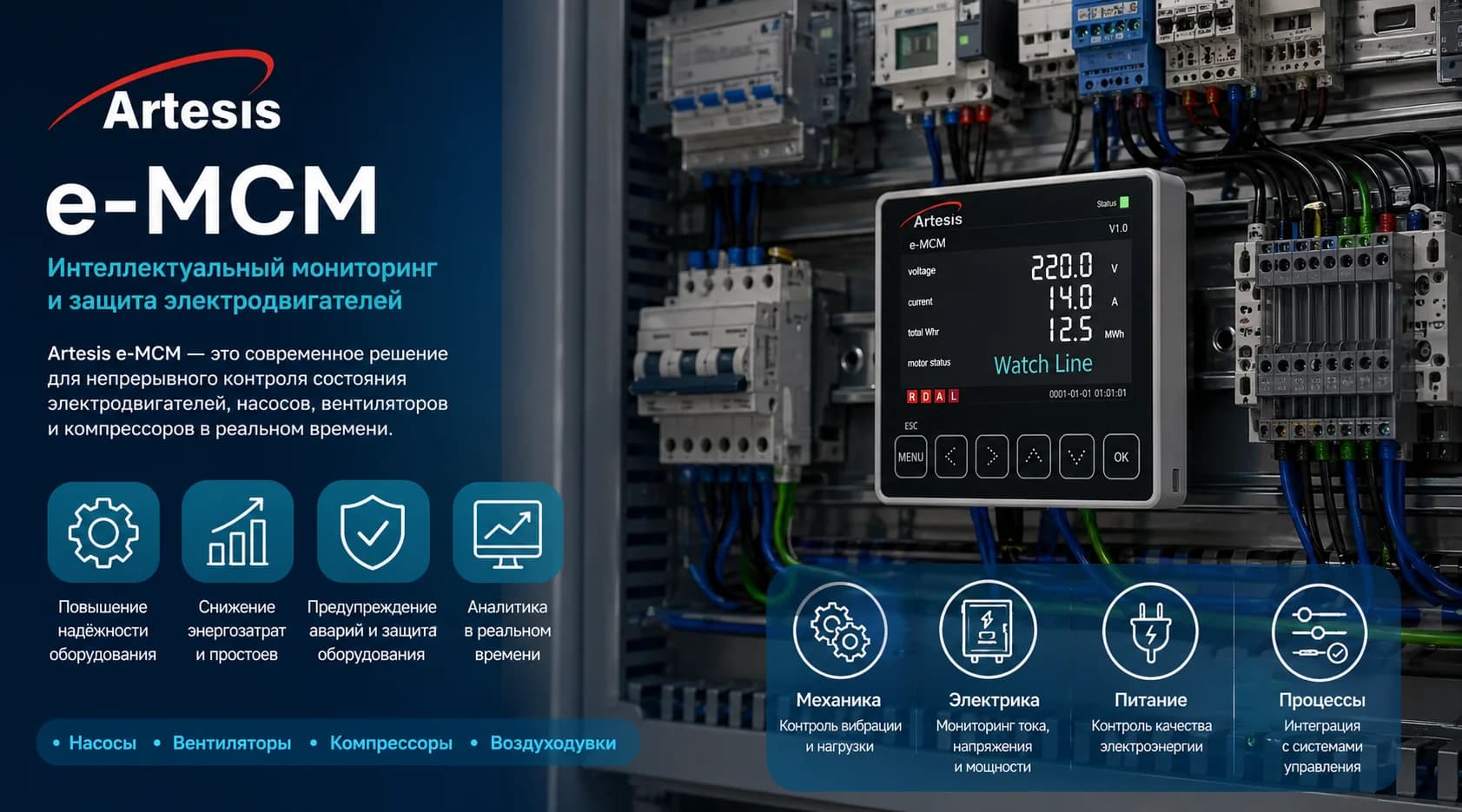
e-MCM
Онлайн мониторинг электродвигателей без датчиков
Схема внедрения Artesis
Этап 1 — маршрут AMT Pro (2–4 недели)
Обход всех двигателей вспомогательных систем: 5–7 минут на машину, без остановки. Результат — рейтинг «красных / жёлтых» приводов. См. маршрутную диагностику AMT Pro.
Этап 2 — онлайн e-MCM (пилот 90 дней)
На 8–15 критичных приводах (гидростанция, моталка, ключевые рольганги, насосы охлаждения) — e-MCM. План: пилот 90 дней.
Этап 3 — IoT
Несколько пролётов / площадок в одном дашборде — Artesis IoT.
Совмещение с SDT и Bently
| Слой | Инструмент | Задача |
|---|---|---|
| Крупные клети / валки | Bently Nevada | вибрация, защитные уставки |
| Парк электродвигателей | Artesis ESA | механика + электрика + процесс |
| Подшипники, утечки, пар | SDT ультразвук | маршрут, смазка, утечки |
Интеграция: вибро + ультразвук + электромониторинг, кейс ГОК + ТЭЦ.
На ременных и цепных передачах рольгангов — ультразвук + ESA.
Типичные «находки» ESA на прокате
- Перегруз рольганга при застревании сляба — рост тока до аварии.
- Кавитация насоса эмульсии — процессный алерт до разрушения колеса.
- Гармоники ПЧ — см. гармоники в электроприводах.
- Дефект ротора на вентиляторе печи — 5 типовых дефектов.
Вывод
Для металлургического комбината оптимально не выбирать между вибрацией и ESA, а разделить роли: Bently на клети, Artesis на двигательный парк, SDT на утечки и подшипники маршрута. Старт — AMT Pro по одному стану, затем e-MCM на «узких местах».
KEG TRK — поставщик Artesis, SDT и Bently Nevada в Казахстане: +7 (7172) 64-08-69.
Оборудование в статье
Цены и сроки поставки в Казахстан KEG TRK сообщает по запросу. Подготовим коммерческое предложение под вашу задачу.
e-MCM
Онлайн мониторинг электродвигателей без датчиков
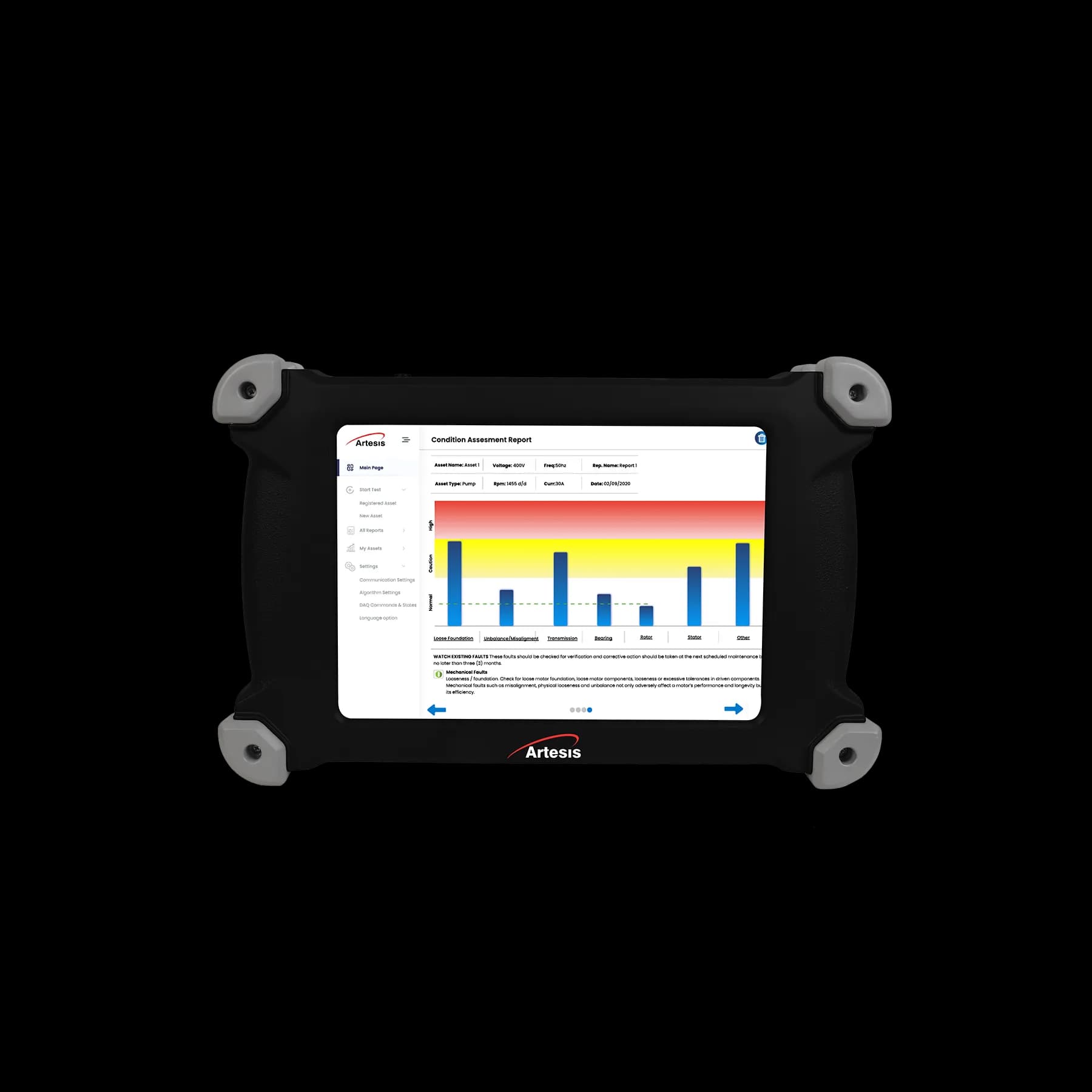
Artesis AMT Pro - Портативный тестер электродвигателей
Портативная система диагностики электродвигателей без датчиков с AI-анализом
Также в статье: Artesis IoT - Облачная платформа мониторинга
Читайте также
30.06.2026
Конвейеры, дымососы и вентиляторы: мониторинг приводов Artesis e-MCM на металлургии и ТЭЦ
Ленточные конвейеры, ID/FD-дымососы и крупные вентиляторы — типичные вспомогательные приводы с высокой ценой простоя. Как ESA ловит подшипники, несоосность и засорение без датчиков на валу.
24.08.2026
Artesis Omnisight: почему единая ESA-платформа меняет подход к PdM
Большинство программ мониторинга разбиты на «критичные активы» и «всё остальное» с разными приборами и без общей базы данных. Artesis Omnisight убирает этот разрыв на уровне самого сигнала — разбираем, как и почему это работает.
17.07.2026
5 типичных дефектов электродвигателей: как ESA находит их за 7 минут
Дисбаланс, подшипники, ослабление крепления, дефекты обмотки и ротора — разбор того, как Artesis AMT Pro и e-MCM выявляют каждый из пяти дефектов по токовой сигнатуре без датчиков на машине.