
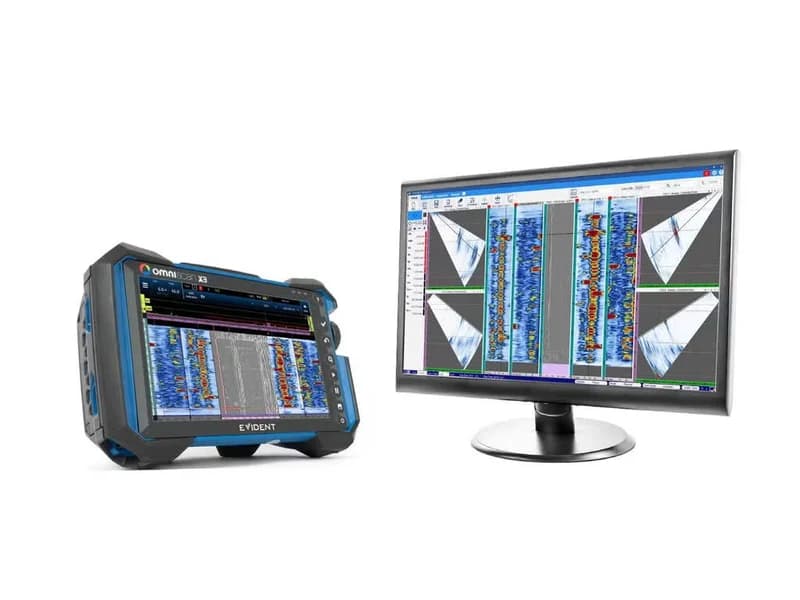
НК сварных швов на ГОК и металлургии: EPOCH или OmniScan
Когда на обогатительной фабрике и металлургическом цехе хватит EPOCH, а когда оправдана фазированная решётка OmniScan — практика выбора УЗК
Шов — не то же самое, что «толщина стенки»
На ГОК и в металлургии много металла: бункеры, трубопроводы пульпы, металлоконструкции, крановые пути, сосуды. Толщиномер отвечает на утонение. Контроль сварного шва — другая задача: непровар, трещина, шлак, несплавление, геометрия разделки.
Если в заявке написано «нужен ультразвук Olympus», уточните: толщинометрия или УЗК швов. Иначе купите не тот класс прибора.
Базовая схема методов — здесь.
Когда достаточно EPOCH
EPOCH 650 и портативный EPOCH 6LT закрывают классический UT:
- типовые стыковые и угловые швы по согласованной процедуре;
- маршрутный контроль после ремонта / монтажа;
- работа с призмами, DAC/TCG, A-scan документированием.
Берите EPOCH, если:
- есть (или будет) процедура и обученный персонал II уровня UT;
- объём — десятки/сотни метров шва в год, а не непрерывный PAUT-поток;
- заказчик принимает классический отчёт UT без обязательного C-scan.
На многих площадках Казахстана это правильная и достаточная точка входа в дефектоскопию.
Оборудование по теме статьи
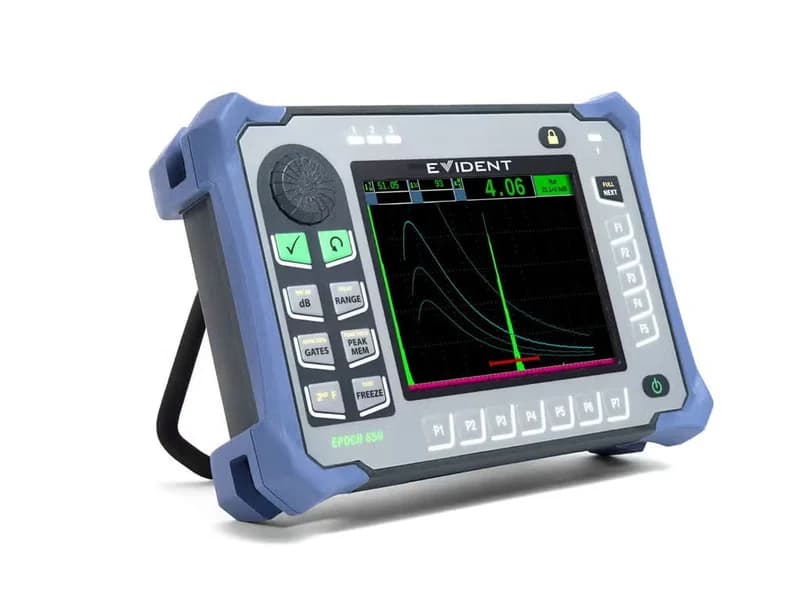
Olympus EPOCH 650 — ультразвуковой дефектоскоп
Портативный ультразвуковой дефектоскоп Olympus (Evident): настраиваемый прямоугольный импульс до 400 В, полоса 0,2–26,5 МГц, экран VGA, DGS/AVG, DAC/TCG и AWS в…
Когда оправдан OmniScan (PAUT / TFM)
OmniScan X3 / X4 нужны, когда:
- ответственные швы с требованием кодированного сканирования и полной «карты» зоны;
- сложная геометрия, ограниченный доступ, нужна высокая вероятность обнаружения;
- тендер/стандарт прямо указывает PAUT / TFM;
- есть операторы PAUT и методика — иначе прибор простаивает.
PAUT без процедуры дороже и бесполезнее хорошего EPOCH с дисциплиной контроля.
Типовые объекты ГОК / металлургии
| Объект | Обычно хватает | Когда смотреть PAUT |
|---|---|---|
| Трубопроводы воды/пульпы после ремонта | EPOCH | толстостенные ответственные стыки, сложный доступ |
| Металлоконструкции цеха | EPOCH | узлы с жёсткими требованиями к документированию |
| Сосуды / ёмкости | EPOCH + толщинометрия | по требованиям проекта / экспертизы |
| Новые монтажные кампании «под ключ» | EPOCH / PAUT по ТЗ | если ТЗ = PAUT — сразу OmniScan |
Параллельно по коррозии держите отдельный толщиномерный маршрут — это не взаимозамена.
Связка с надёжностью площадки
- Вибрация / ESA находят «живой» агрегат.
- Визуал + толщинометрия снимают риск по стенке.
- UT/PAUT подтверждают качество шва после ремонта или монтажа.
Так НК Olympus становится частью программы надёжности, а не разовой «проверкой на бумаге».
Что заложить в бюджет
- Прибор (EPOCH или OmniScan) + кабели/преобразователи.
- Калибровочные образцы и куплант.
- Обучение / аттестация персонала.
- Шаблон отчёта, принятый у заказчика/экспертизы.
Каталог — в разделе НК. Подбор комплекта — на странице Olympus.
Оборудование в статье
Цены и сроки поставки в Казахстан KEG TRK сообщает по запросу. Подготовим коммерческое предложение под вашу задачу.
Olympus EPOCH 650 — ультразвуковой дефектоскоп
Портативный ультразвуковой дефектоскоп Olympus (Evident): настраиваемый прямоугольный импульс до 400 В, полоса 0,2–26,5 МГц, экран VGA, DGS/AVG, DAC/TCG и AWS в…
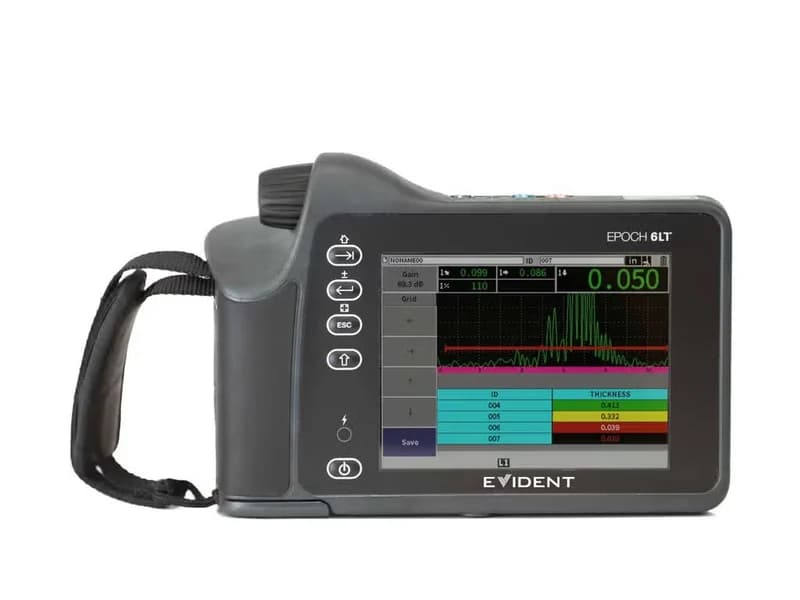
Olympus EPOCH 6LT — облегчённый ультразвуковой дефектоскоп
Облегчённый ультразвуковой дефектоскоп Olympus (Evident) массой 890 г для работы одной рукой и на канатном доступе: генератор до 400 В, полоса до 26,5 МГц, экран VGA…
Также в статье: Olympus OmniScan X3 — дефектоскоп на фазированных решётках с TFM, Olympus OmniScan X4 — дефектоскоп на фазированных решётках нового поколения, Olympus OmniScan SX — компактный дефектоскоп ФР и УЗК
Читайте также
22.07.2026
Толщинометрия, дефектоскоп или PAUT: что нужно для НК на площадке
Когда хватит толщиномера Olympus, когда нужен EPOCH и когда оправдана фазированная решётка OmniScan — простая схема выбора метода НК
17.07.2026
Диагностика муфт и соединений валов ультразвуком: ранние признаки разрушения
Эластичные, зубчатые и кулачковые муфты дают характерный ультразвуковой сигнал задолго до вибрационной тревоги. Методика осмотра SDT340 на насосах, компрессорах и приводах редукторов.
17.07.2026
Ременные приводы конвейеров: ультразвук SDT и ESA Artesis на одном объекте
Натяжение ремня, износ шкивов, дисбаланс барабана и подшипники приводного двигателя — как совместить ультразвуковой маршрут SDT340 и мониторинг Artesis на ленточных конвейерах ГОК и обогатительных фабрик.