

Supply in Kazakhstan
KEG TRK supplies ultrasonic diagnostics solutions (SDT Ultrasound Solutions) across Kazakhstan: Almaty, Astana, Karaganda, Ust-Kamenogorsk, Aktobe and other regions. Official warranty, monitoring system design, installation, commissioning and personnel training.
Mining equipment
Key features
Applications and resources
Industry solutions, landing pages and articles on SDT340 TankTest — Ultrasonic Tightness Testing of Underground Tanks
Where it is used
Typical tasks
- Underground fuel station tanks (gasoline, diesel)
- Fuel depots and fuel and lubricant storage
- Industrial storage tanks
- Piping connected to tanks
- Environmental control and site audits
- Service companies running periodic inspections
SDT340 TankTest: tank tightness testing without draining or cleaning
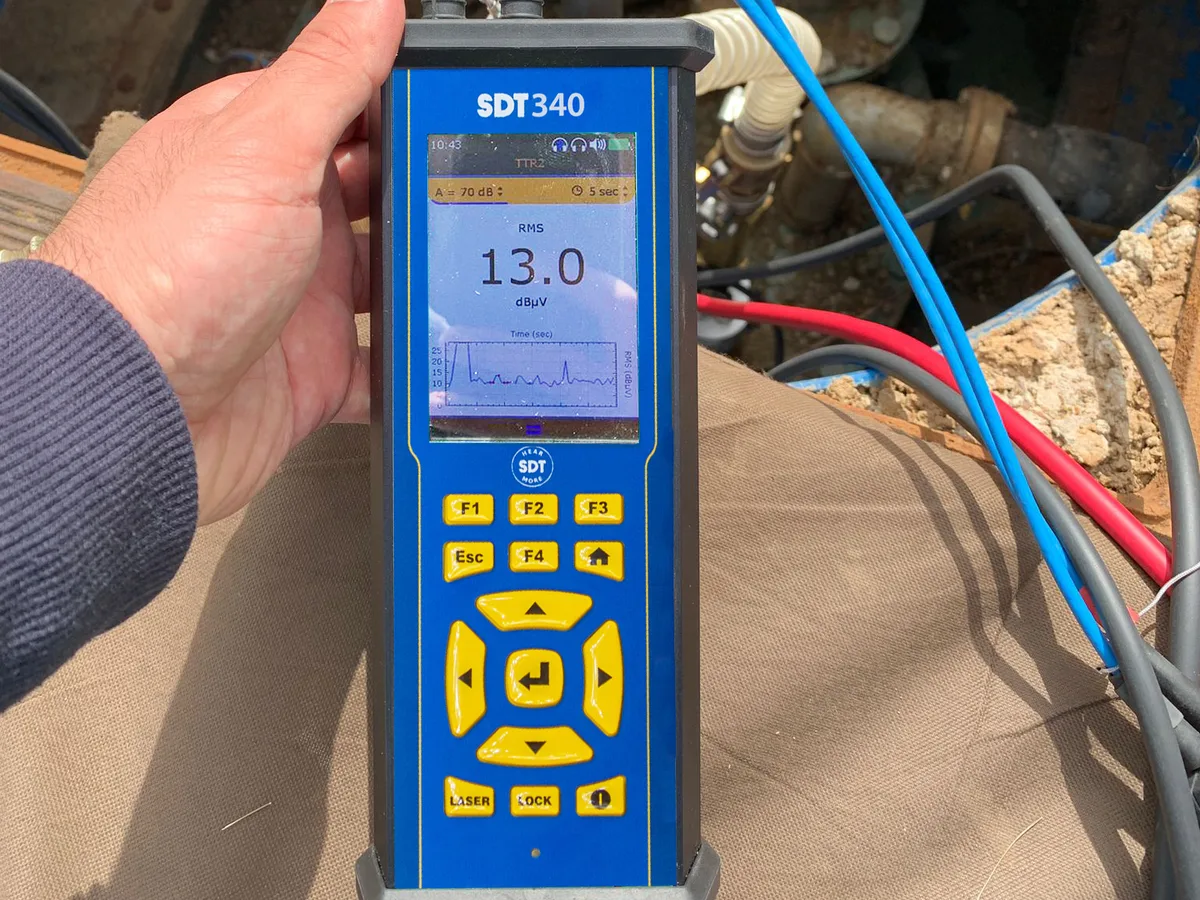
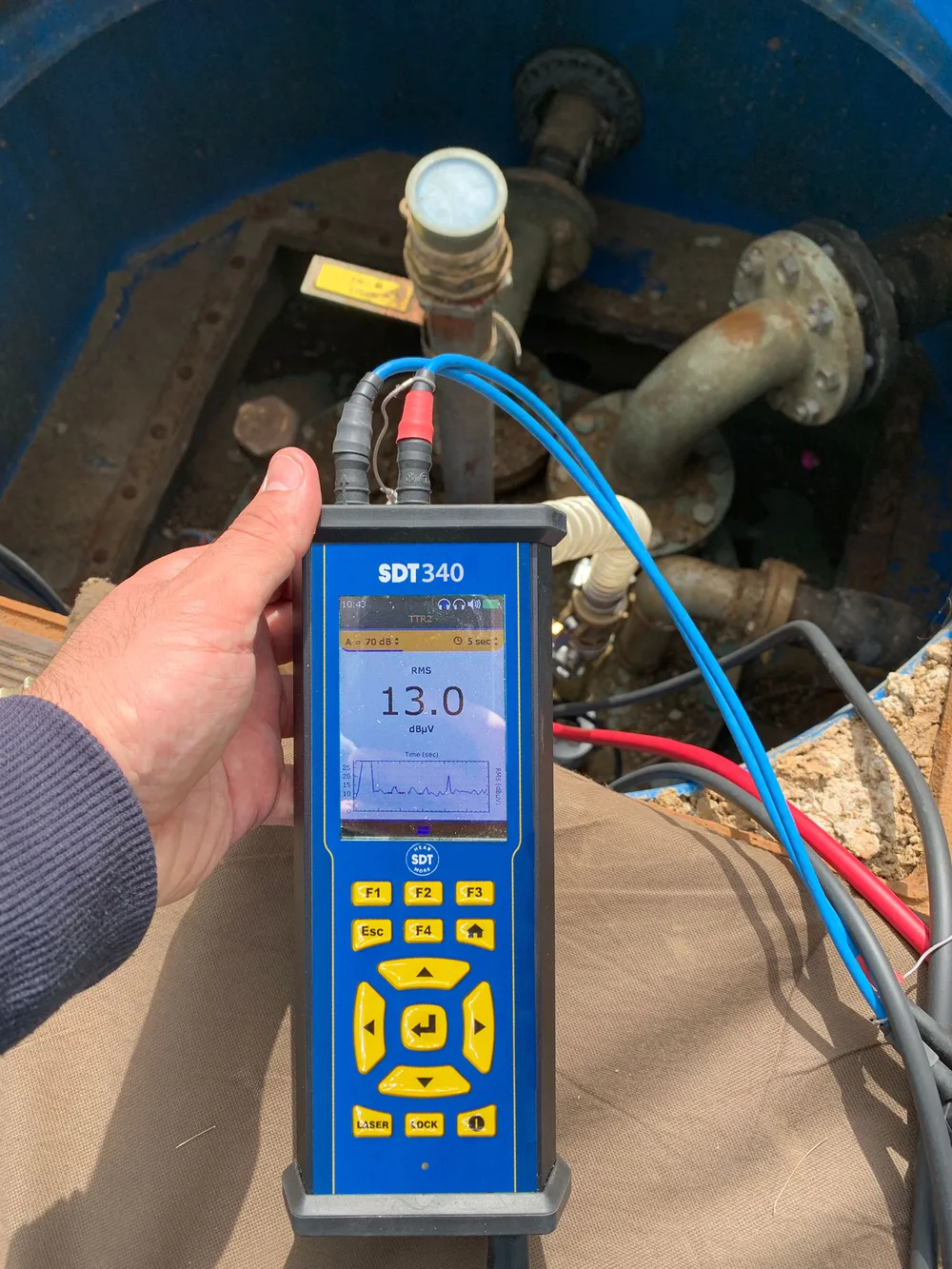
SDT340 TankTest is a system for testing the tightness of underground fuel storage tanks and the piping connected to them. It is developed by SDT Ultrasound Solutions (Belgium). The system consists of a portable SDT340 instrument with TankTest mode, two acoustic sensors and a vacuum pump.
Traditional methods need the tank taken out of service, emptied, cleaned and left to stabilize thermally. Preparation takes longer than the test itself, and the tank sits idle the whole time. TankTest removes that preparation: the tank stays full and the operator works from the manhole.
How the method works
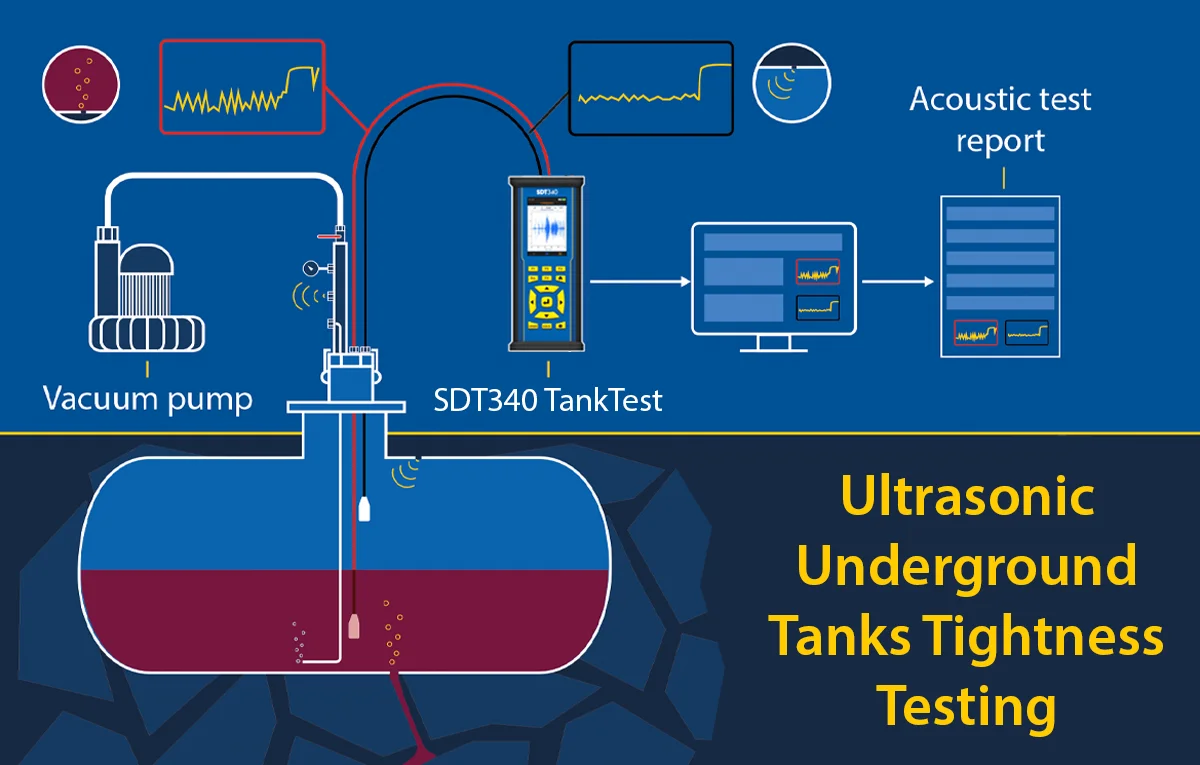
- Two sensors go into the tank through the manhole: one submerged in the liquid, one in the vapor zone above the product.
- A vacuum pump draws the tank down by up to 250 mbar.
- When the vacuum exceeds the hydrostatic pressure of the liquid column, air starts to enter through any perforation.
- The air ingress produces an ultrasonic signal. The instrument amplifies it and shows it on screen in dBuV.
- The operator confirms by ear: a leak in the liquid sounds like bubbling, a leak in the vapor zone sounds like hissing.
Reading the result
| Condition | Liquid sensor | Vapor-zone sensor | Headphone sound |
|---|---|---|---|
| Tank is tight | Near baseline | Near baseline | No signal |
| Leak below product level | Above baseline | Near baseline | Bubbling |
| Leak in vapor zone | Near baseline | Above baseline | Hissing |
| Outside noise | Short spike on both sensors | Short spike on both sensors | Unlike a leak |
A reading more than 2 dBuV above baseline, confirmed by ear, indicates a leak.
Why it pays for a service company
| Parameter | SDT340 TankTest | Hydraulic method |
|---|---|---|
| Tank preparation | No draining or cleaning | Water filling, cleaning |
| Waiting time | No stabilization period | Wait for temperature to settle |
| Temperature effect | Does not affect the result | Distorts the result |
| What is tested | Tank and piping in one cycle | Usually separately |
| Consumables | None | Water and its disposal |
| Effect on the defect | Vacuum does not enlarge the perforation | Load can enlarge the defect |
Less preparation means more tanks per working day and less downtime for the client. Where periodic mandatory inspections cover many sites, the economics of the job change.
Guided Mode
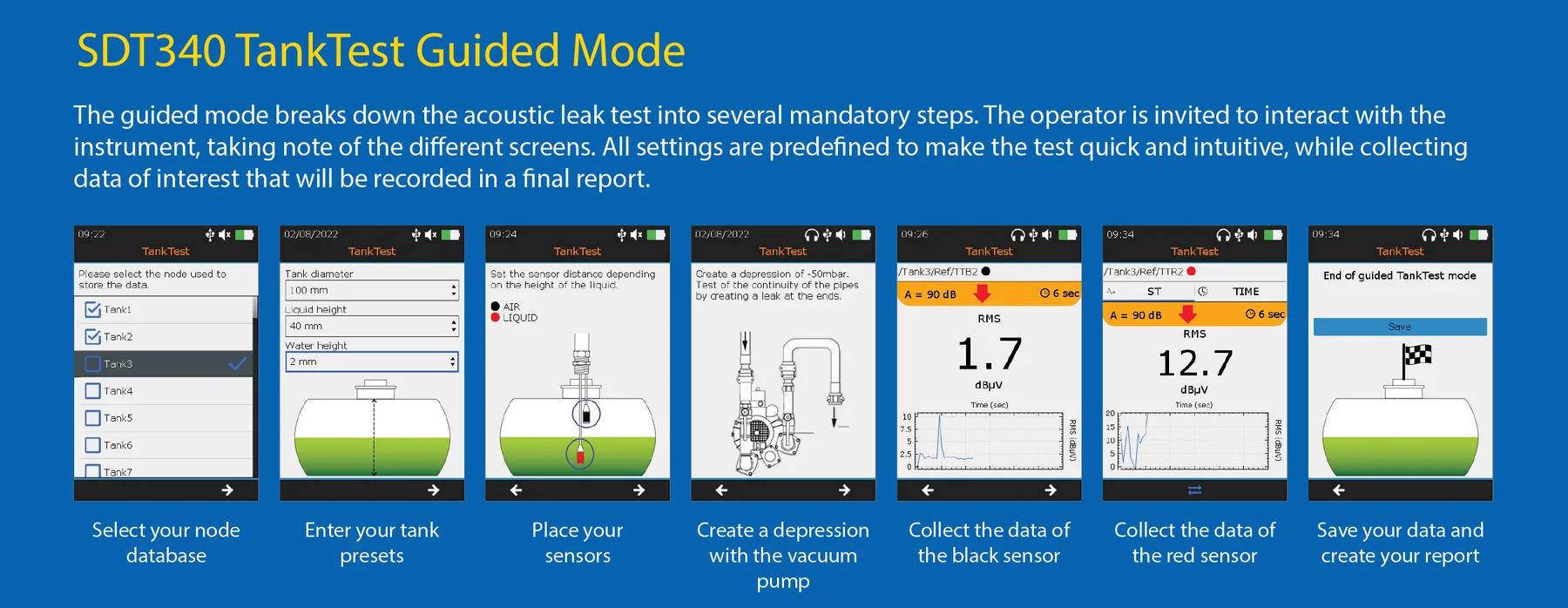
The instrument leads the operator through the mandatory steps: pick the tank from the database, enter its parameters, place the sensors according to the liquid height, create the vacuum, collect data from the black and red sensors, and save. Settings are predefined, so the test runs quickly and the same way for different operators. Before a test, the system can be checked on the built-in leak simulator.
SDT TankTest Reporter: a report that is hard to dispute
Data moves from the instrument to SDT TankTest Reporter over USB. The software plots the readings of each sensor and produces a PDF report with customer and operator details, your company logo and comments. Reports are numbered automatically and results cannot be edited. If a result is ever questioned, both you and your client hold a document protected against changes.
Tank range
The system covers tanks per EN 12285 from 1,500 to 100,000 L. The allowed vacuum is lower for the largest tanks:
| Capacity | Maximum vacuum |
|---|---|
| 1,500 to 60,000 L | 250 mbar |
| 80,000 L | 200 mbar |
| 100,000 L | 150 mbar |
The method does not suit tanks with flat ends or flat partitions, aboveground tanks with a flat bottom, box-shaped tanks or polyethylene tanks. Three configurations are possible: tank only, tank with piping, or only the pipes connected to a double-wall tank.
Specifications
| Parameter | Value |
|---|---|
| System base | SDT340 instrument with TankTest mode |
| Channels | 2 sensors via LEMO connector |
| Display | 3.5 inch color TFT |
| Frequency range | up to 100 kHz |
| Sensors | 2 pcs, 32 mm, watertight, hydrocarbon-resistant |
| Sensor resonant frequency | 40 kHz |
| Tank vacuum | up to 250 mbar |
| Pump safety valve | ±250 mbar |
| Power | Li-ion battery, about 8 hours |
| Data transfer | USB Type-C |
| Software | SDT TankTest Reporter |
| Manufacturer | SDT Ultrasound Solutions, Belgium |
What is supplied
- SDT340 TankTest instrument with battery
- Noise-cancelling headphones
- Flexible rod with open sensor
- Two 32 mm acoustic sensors
- Mechanical bush for the manhole and camlock for the pump
- Vacuum pump with ±250 mbar safety valve
- Suction and drain hoses, 5 m each
- Water-detection paste
- Set of conical rubber plugs
- Three screwable 1 m gauge rods
- Leak simulator with six leak options
- Protective holster, charger, USB cable
- SDT TankTest Reporter software and user manual
Confirm the exact configuration when ordering. Price on request.
How to order
Send a request from the product page. A KEG TRK engineer will confirm your tank types and volumes, select the configuration, estimate delivery time and offer operator training.
Technical specifications
| Type | Ultrasonic tightness testing system for underground tanks |
| Platform | SDT340 instrument with TankTest mode |
| Method | Acoustic method with tank vacuum |
| Vacuum | Up to 250 mbar, pump safety valve at ±250 mbar |
| Sensors | Two 32 mm acoustic sensors, watertight and hydrocarbon-resistant |
| Display | 3.5 inch color TFT |
| Battery | Li-ion, about 8 hours |
| Software | SDT TankTest Reporter |
| Tank standard | Tanks per EN 12285, 1,500 to 100,000 L |
| Manufacturer | SDT Ultrasound Solutions, Belgium |
Applications
Manufacturer
SDT Ultrasound Solutions
SDT340 TankTest checks the tightness of underground tanks and connected piping with an acoustic vacuum method: no emptying, no cleaning, no wait for temperature to settle. Two sensors cover the liquid and vapor zones in one cycle.
Key specifications
- Type
- Ultrasonic tightness testing system for underground tanks
- Platform
- SDT340 instrument with TankTest mode
- Method
- Acoustic method with tank vacuum
- Vacuum
- Up to 250 mbar, pump safety valve at ±250 mbar
- Sensors
- Two 32 mm acoustic sensors, watertight and hydrocarbon-resistant
Official supplier in Kazakhstan
Related products
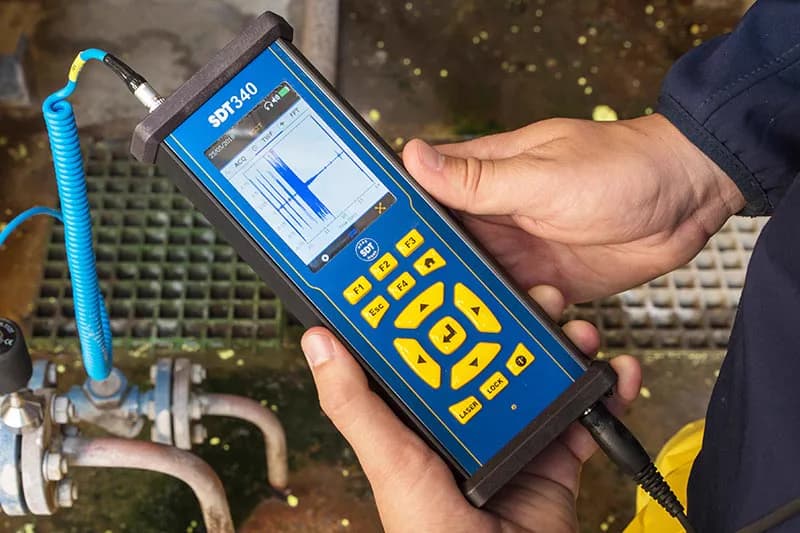
SDT340 - Advanced Ultrasound Detector
The most advanced ultrasound detector for collecting, analysing and trending data
- 20 kHz to 50 kHz
- 10 Hz to 10 kHz

SDT340 LUBExpert — Intelligent Lubrication Control Mode
The SDT340 in LUBExpert mode combines ultrasound bearing diagnostics and lubrication management in a single field instrument. The LUBrain algorithm eliminates over- and under-greasing.
- HSR up to 256 kSa/s
- RS2T sensor
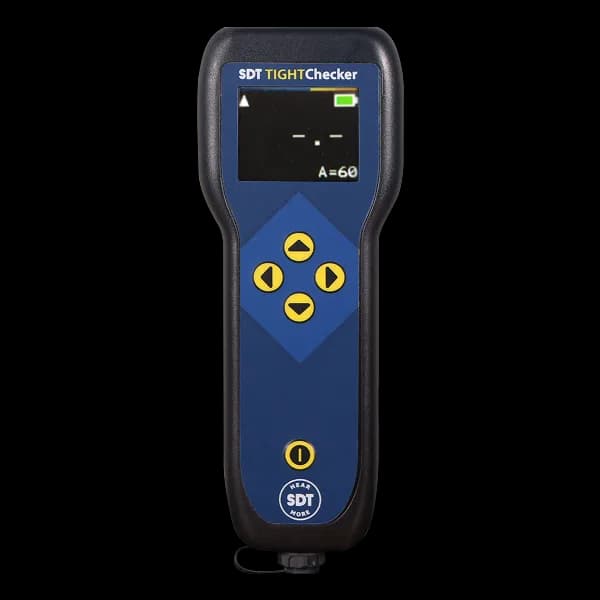
SDT TIGHTChecker — ultrasonic seal and enclosure testing
Locate gaps in doors, cabs and enclosures without an operating pressure differential using the T-Sonic1 transmitter and a flexible airborne sensor.
- Locating ultrasound passing through a seal
- SDT Flexible Sensor

UAS3 - Data Analysis Software
Comprehensive software for managing ultrasound data and analysis
- Windows PC
- SDT200, SDT270, SDT340, LUBExpert
Need advice?
Our specialists will help you choose the optimal SDT340 TankTest — Ultrasonic Tightness Testing of Underground Tanks configuration for your equipment.
Related articles
All articles →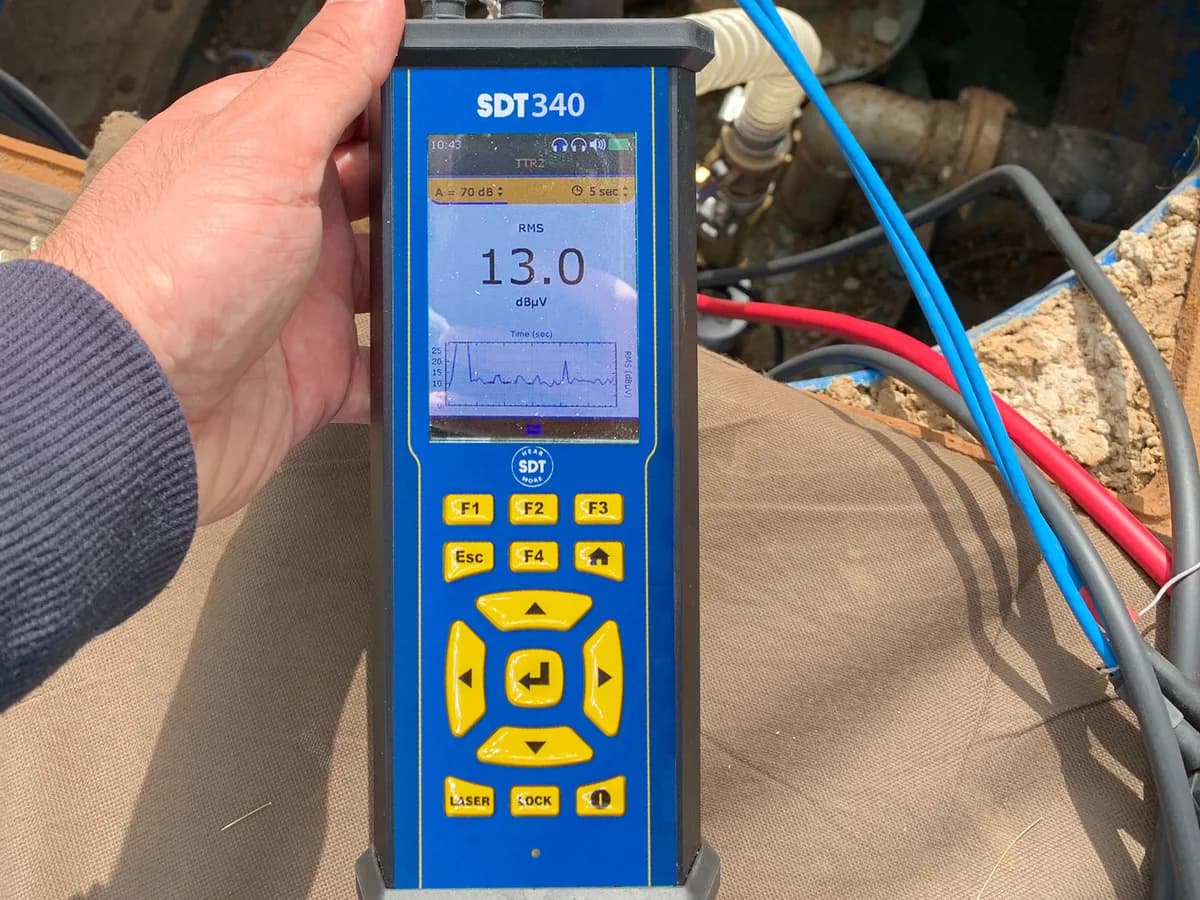
How to Test an Underground Tank for Leaks Without Emptying or Cleaning It
The tank stays full, sensors go in through the manhole, a vacuum pump draws a partial vacuum, and the instrument hears the ultrasound of air drawn through a perforation. How SDT340 TankTest works, how it differs from hydraulic testing and who it suits.
What compressed air leaks cost: a step-by-step calculation
Leak cost = air flow × operating hours × compressor specific energy × tariff. A flow table by orifice diameter and pressure, a worked example and how to use your own tariff.
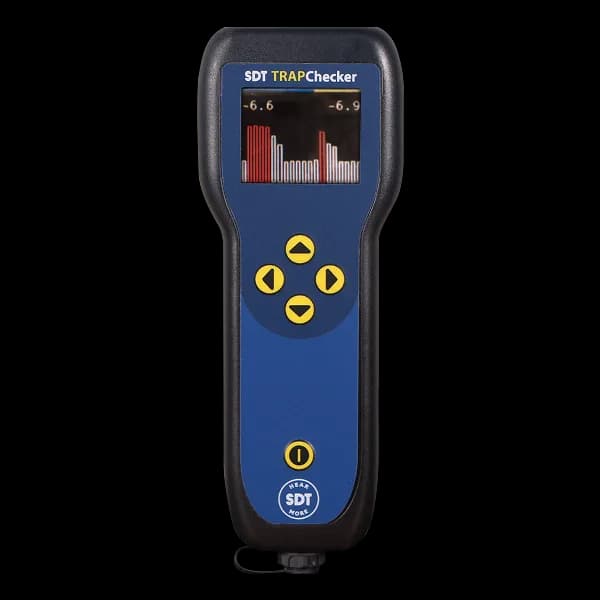
How to test a steam trap: ultrasound and temperature
A steam trap is tested with two readings: temperature finds blocked traps, ultrasound before and after the trap finds steam blow-through. Signs by trap type, the procedure and steam losses.
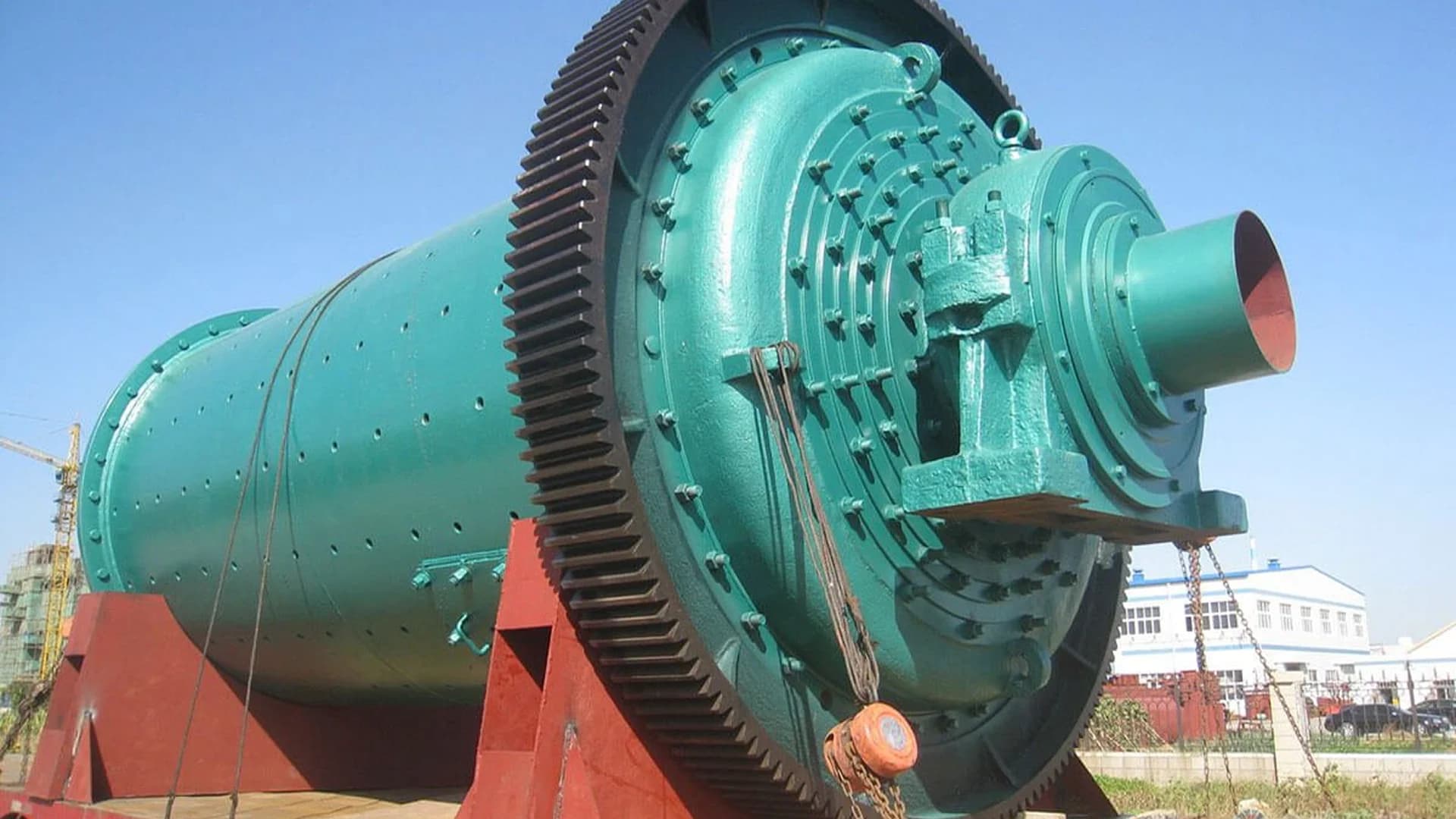
Ultrasound at low speeds: how to diagnose a gearbox running at 0.1 rpm
Vibration analysis below 10 rpm often leads to wrong conclusions. A real case: a broken gear tooth at 2.95 rpm caught by the SDT340 where the vibration FFT could not help.
Partial Discharge in Switchgear and Substations: Hearing a Breakdown Before It Happens
Corona, tracking and partial discharge silently destroy switchgear, transformer and cable-joint insulation for months before a flashover. How ultrasound and UV inspection catch insulation defects from a safe distance.
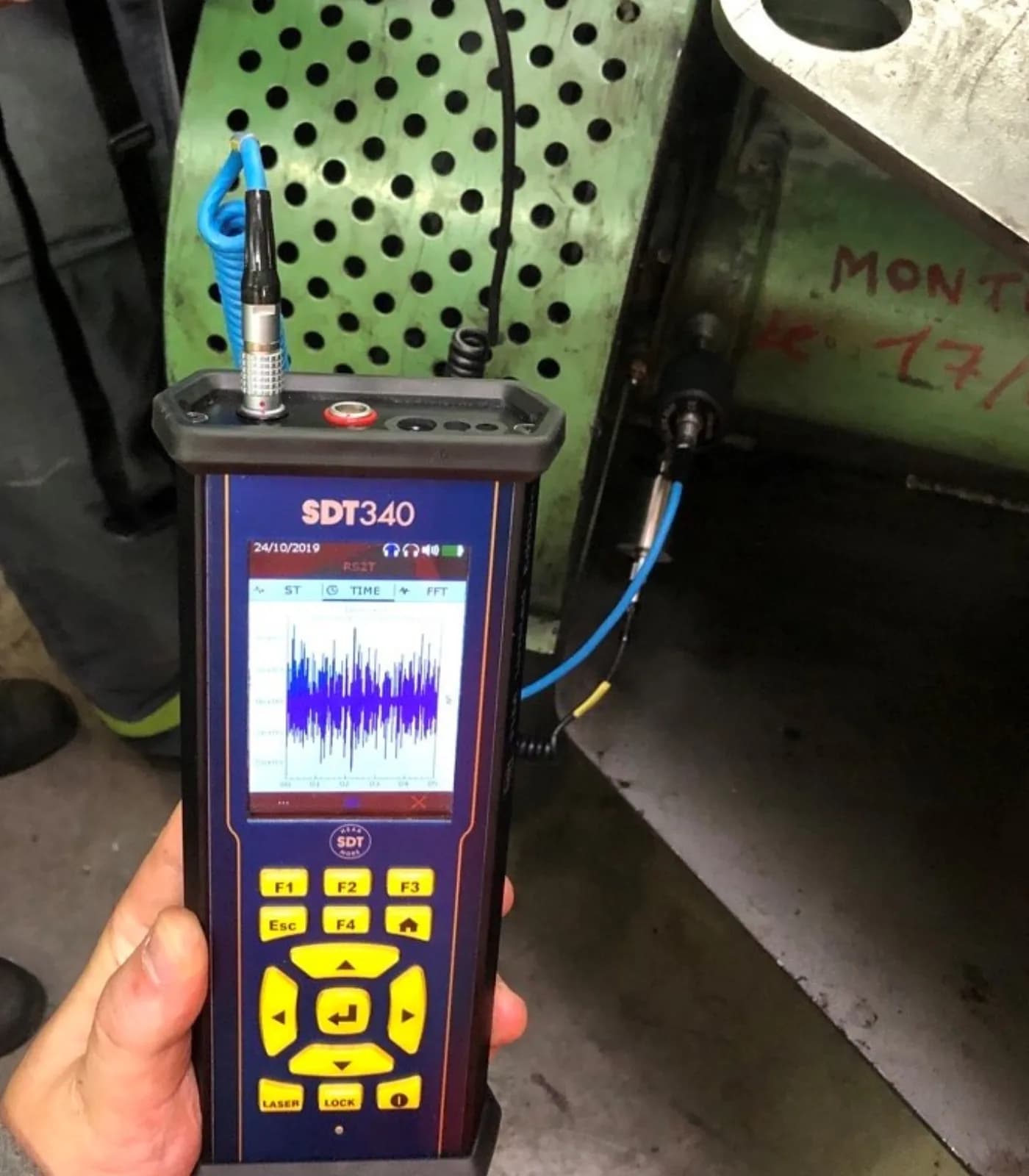
Ultrasound Inspection: A Beginner's Guide
How ultrasound condition monitoring works, what it finds across SDT's eight application areas, which instrument to choose and how to build an inspection programme.