
Supply in Kazakhstan
KEG TRK supplies vibration monitoring and analysis solutions (Bently Nevada) across Kazakhstan: Almaty, Astana, Karaganda, Ust-Kamenogorsk, Aktobe and other regions. Official warranty, monitoring system design, installation, commissioning and personnel training.
Mining equipment
Key features
Applications and resources
Industry solutions, landing pages and articles about 330400 / 330425 — High-Resolution Accelerometer
Where it is used
Typical tasks
- Critical equipment
- Rolling-element bearings (Envelope)
- Gearboxes
- High-precision measurements
Integrated monitoring: ultrasonic diagnostics · motor monitoring · implementation services
Description
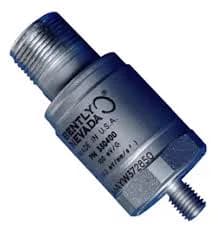
The Bently Nevada 330400 / 330425 Series are premium-class accelerometers for precision vibration measurement. They combine low noise, high accuracy and excellent temperature stability, making them well suited to critical rotating equipment and Envelope analysis of rolling-element bearings.
Key features
- High resolution and accuracy
- Low noise floor
- Wide dynamic range
- Temperature compensation
- Industrial-grade construction
Applications
- Critical equipment
- Rolling-element bearings (Envelope)
- Gearboxes
- High-precision measurements
Supply in Kazakhstan
KEG TRK supplies, commissions and supports 330400 / 330425 with System 1 integration across Kazakhstan.
Technical specifications
| Type | Piezoelectric IEPE |
| Range | ±20 g peak |
| Sensitivity | 100 mV/g |
| Frequency range | 1 Hz to 6 kHz (+3 dB) |
| Temperature | -54 to +120°C |
| Bently Nevada part number | 330400 / 330425 |
Applications
Manufacturer
Bently Nevada
High-resolution piezoelectric accelerometers for precision vibration surveillance
Key specifications
- Type
- Piezoelectric IEPE
- Range
- ±20 g peak
- Sensitivity
- 100 mV/g
- Frequency range
- 1 Hz to 6 kHz (+3 dB)
- Temperature
- -54 to +120°C
Official supplier in Kazakhstan
Related products
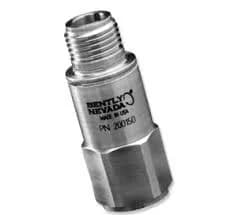
200150 Series — IEPE accelerometer
IEPE piezoelectric accelerometers for industrial vibration and bearing health measurement
- Piezoelectric IEPE
- Up to 50 g peak
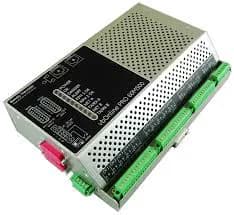
vbOnline Pro — 12-channel scanning monitor
12-channel scanning monitor for rolling bearings and complex gearboxes
- 12 acquisition channels
- Acceleration, velocity
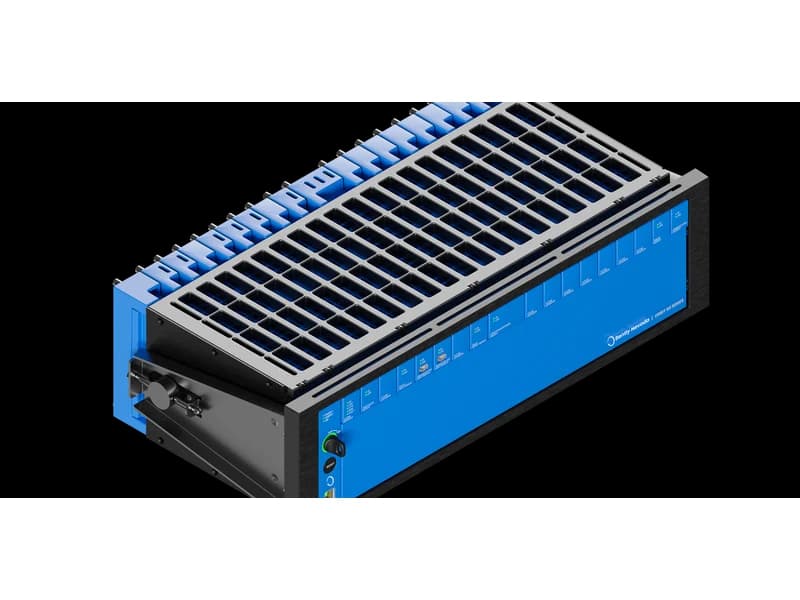
Orbit 60 Series — Next-Generation Monitoring System
Next-generation machinery protection platform with advanced cybersecurity and high channel density
- 80-88 dynamic channels
- 100x higher processing power
Need advice?
Our specialists will help you choose the optimal 330400 / 330425 — High-Resolution Accelerometer configuration for your equipment.
Related articles
All articles →
Bearing Monitoring on Auxiliary Motor Drives — Bently Nevada
Rolling element bearing units on auxiliary motors at metallurgical, mining and power sites: 330400 accelerometers, Orbit DCM, SCOUT and early BPFO/BPFI signs in the spectrum.

10 Equipment Maintenance Strategies That Cut Downtime in 2026
10 maintenance strategies that genuinely reduce downtime in 2026: predictive maintenance, RCM, TPM, and tools like Artesis e-MCM and SDT340, with KPIs you can roll out in stages at plants across Kazakhstan.

Shaft Misalignment: the Hidden Killer of Bearings, Couplings and Seals
Up to half of all rotating equipment failures are linked to shaft misalignment. We break down the types of misalignment, its consequences, and how vibration analysis and current analysis detect it before it destroys couplings and bearings.

What an Hour of Downtime Really Costs and How to Cut Unplanned Stops
Unplanned downtime costs far more than the repair crew's payroll line suggests. We break down the full cost-of-downtime formula and show how switching to predictive maintenance cuts unplanned stops by 30–50%.
4 Stages of Bearing Failure: How to Catch a Defect Months Before It Fails
A bearing doesn't fail instantly — it goes through 4 stages of degradation, and the first one is only visible to ultrasound. We break down the P-F curve and which diagnostic method works at each stage of bearing failure.
The Mysterious 0.6× Frequency — a Frequency That Shouldn't Exist (But Does)
A peak at 0.6× in the spectrum isn't always BPFO. A thought experiment on changing reference frames, and how to confirm the hypothesis with SDT340 ultrasound and Artesis electrical signatures.