Leaks may be missed during a visual inspection. Airborne ultrasound supports source localization under a pressure differential; a PID measures suitable VOCs. Select the method by medium, operating conditions and required result. Verify savings after repair.
Two instruments for two jobs
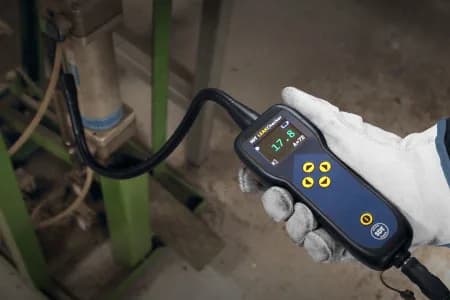
SDT ultrasonic detectors (LeakChecker, LeakReporter) locate the leak by the sound of turbulent escape - they work on compressed air, nitrogen, steam and vacuum lines. Ideal for compressor stations and shop-floor compressed air distribution.
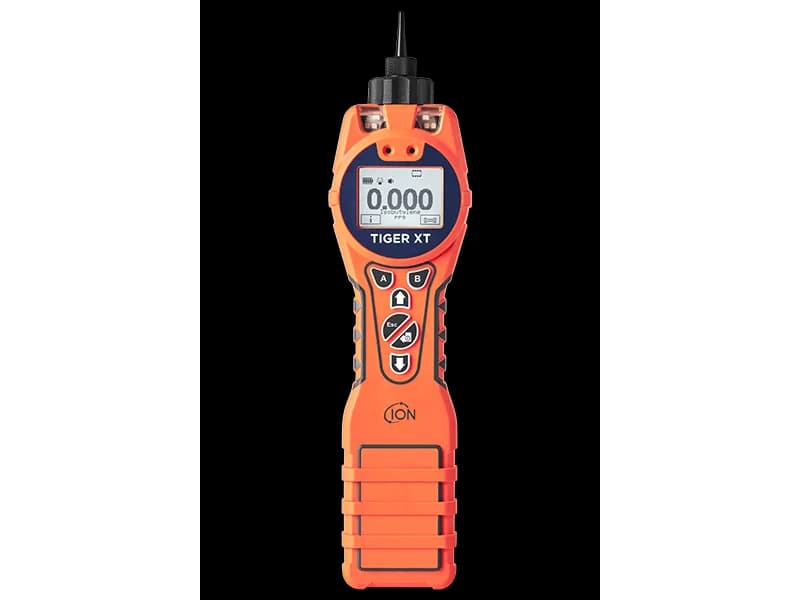
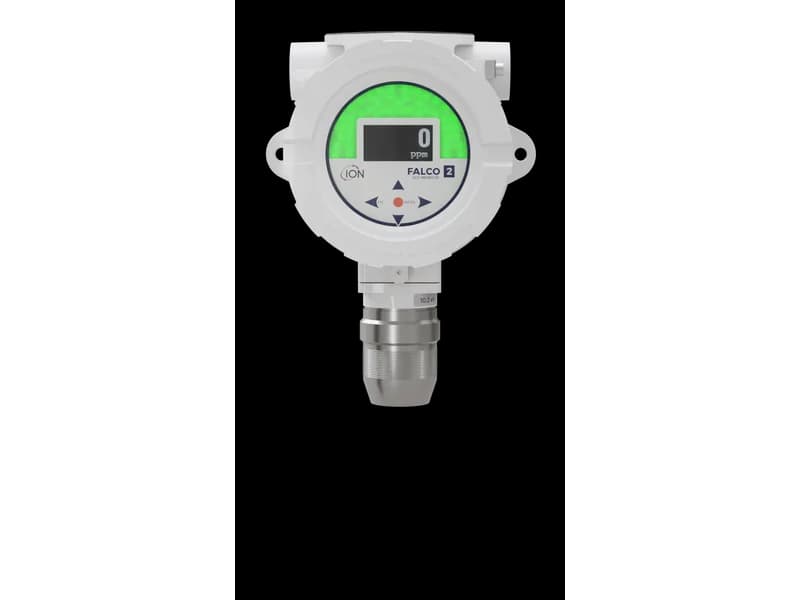
Ion Science PID detectors measure the concentration of volatile organic compounds - from personal monitors for work-zone exposure control to fixed systems for LDAR programs at oil & gas and chemical sites.
A PID does not measure nitrogen or oxygen leaks and is not a methane detector; applicability depends on the compound and lamp energy. Ultrasound requires a distinguishable acoustic signal: no signal does not prove tightness.
SDT: airborne ultrasonic sensors. ION Science: principle of PID.