
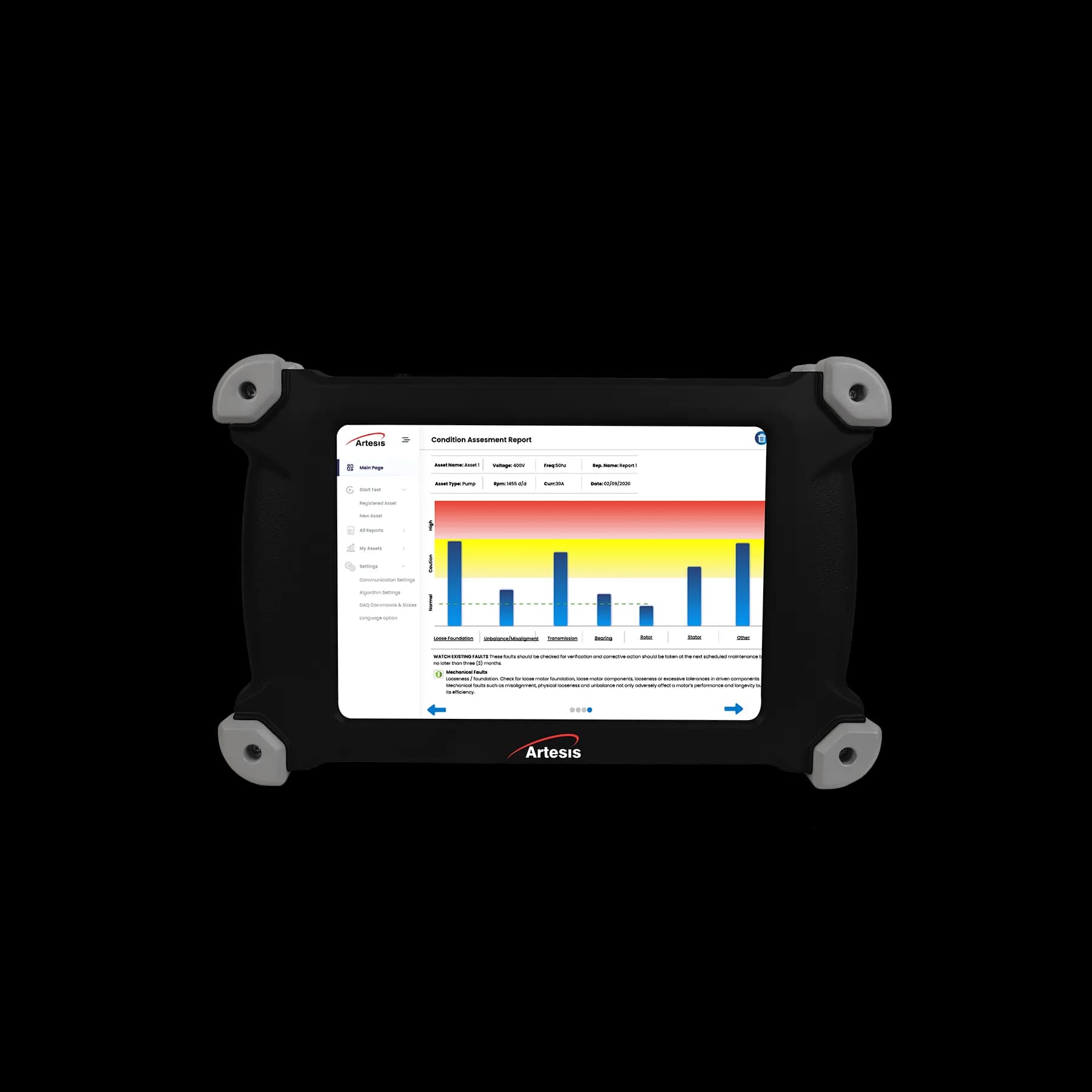
Harmonics in industrial electric drives: causes, consequences and ESA diagnostics
VFDs, rectifiers, transformers and supply asymmetry all create harmonics in motor current. How Artesis e-MCM separates 'electrical noise' from a developing mechanical fault, and when harmonics themselves signal danger.
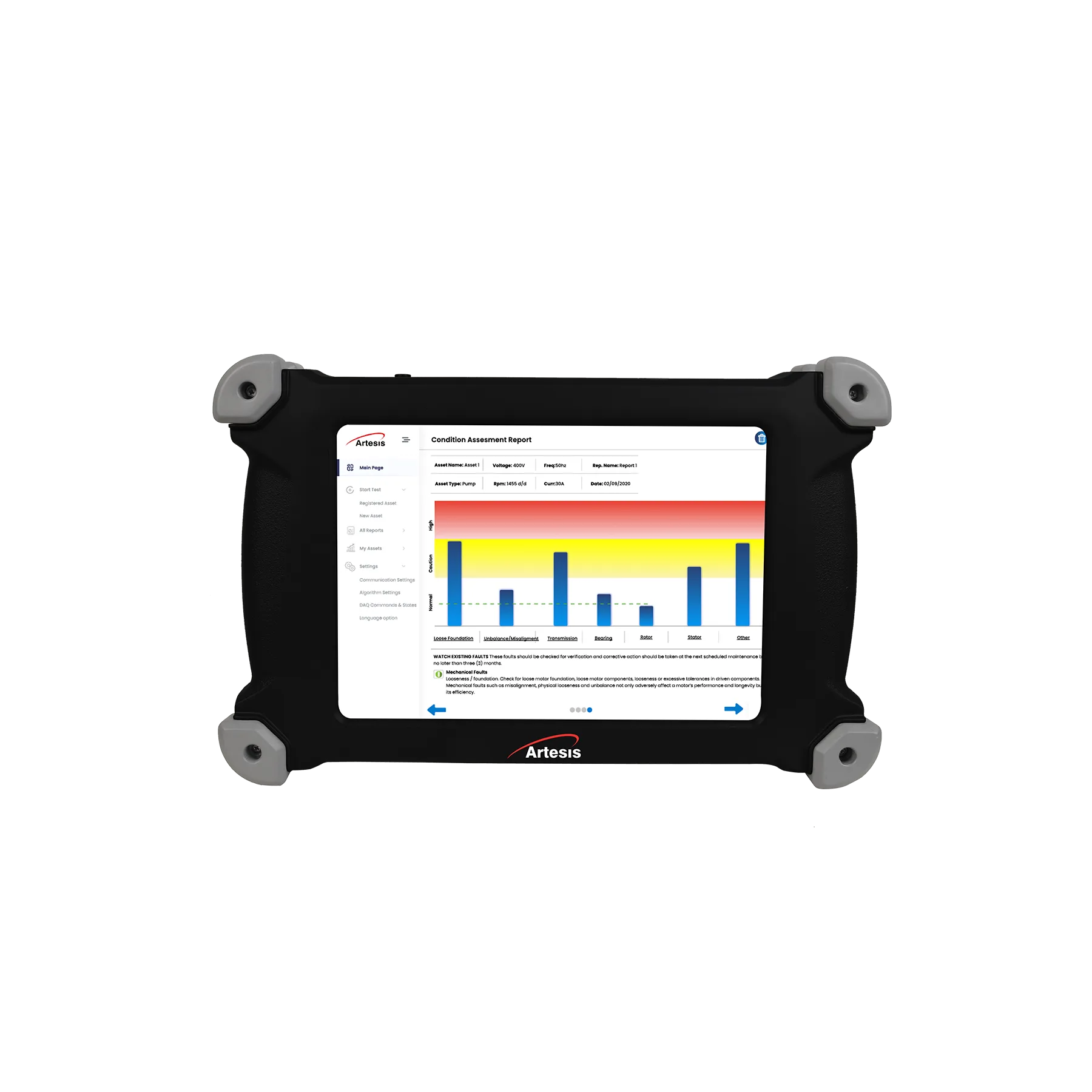
At modern Kazakhstan plants the share of drives with variable frequency drives (VFDs) keeps growing. At the same time the network carries rectifiers, UPS units and arc furnaces in neighbouring shops. The result is harmonics in voltage and current. For the maintenance team the question is practical: is this "normal noise" or a sign of a problem that requires a shutdown?
Where harmonics come from
| Source | Typical frequencies | Where you meet it |
|---|---|---|
| VFD (inverter) | 5th, 7th, 11th, 13th supply harmonics | pumps, conveyors, fans |
| Rectifiers | 5th, 7th | electrolysis, chargers |
| Phase asymmetry | negative sequence | ageing network, damaged cables |
| Transformer saturation | odd harmonics | substations, CHP plants |
Harmonics heat the windings, accelerate insulation ageing, reduce efficiency and can cause nuisance protection trips.
How harmonics interfere with diagnostics
Classic vibration analysis is barely affected by supply quality. But current analysis that ignores harmonics produces false "bearing faults". That is why the system must:
- Measure both current and voltage on all phases.
- Separate the supply components from the mechanical ones (modulation at running speed).
- Trend over time rather than take a single snapshot.
Artesis e-MCM and e-PCM for generators perform a full spectral analysis against a machine model.
Equipment covered in this article
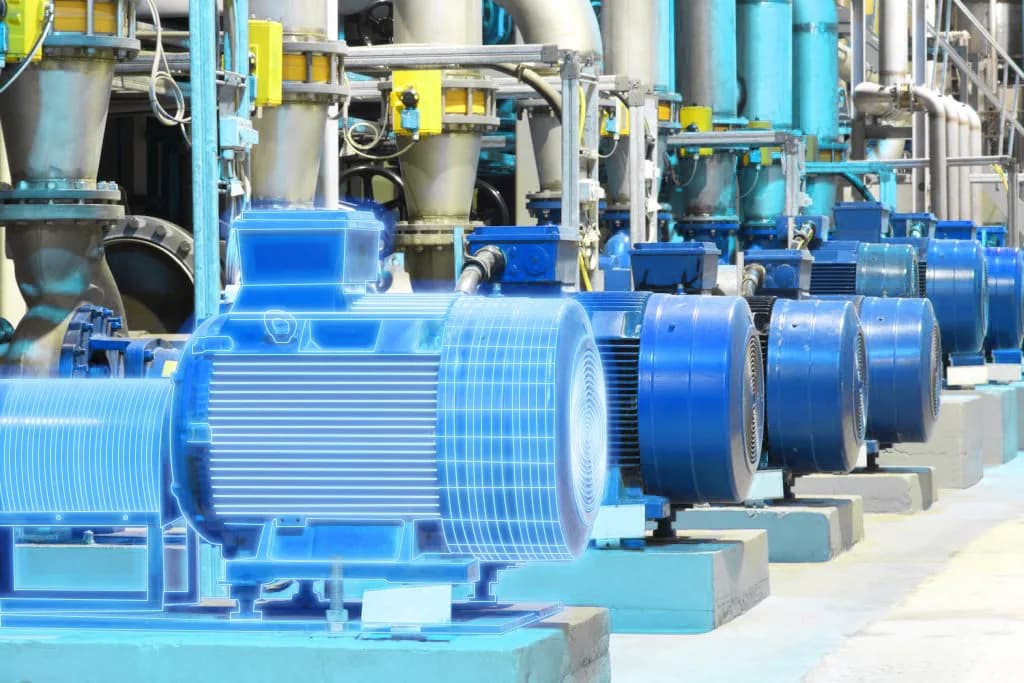
Artesis e-MCM — Online Sensorless Motor Monitoring
Online sensorless electric motor monitoring with AI and digital twin
When harmonics are a symptom of a fault
Not all harmonics are external. A rise in certain components with a stable supply may mean:
- an inter-turn short in the winding;
- rotor bar damage — sidebands at slip frequency;
- a stator air gap problem — torque pulsation;
- mechanical resonance at certain VFD speeds.
ESA correlates spectrum changes with load and speed, separating process effects from electrical ones.
VFD drives: specifics for maintenance
Typical mistakes on VFD-driven pumps:
- long operation at the minimum frequency (motor overheating);
- long motor cables — voltage reflections;
- wrong carrier settings — rising peak voltages.
Artesis records the operating point (power, cos φ, slip) and warns of running outside the allowable zone — see pump diagnostics and cavitation.
Practical recommendations
- Record a baseline spectrum after the VFD is commissioned — do not compare with a "classic" induction motor without a VFD.
- If the current THD rises — check phase symmetry and the contacts in the cabinet (SDT ultrasound on electrical equipment completes the picture).
- On critical drives use online ESA, not a one-off multimeter reading.
- For generators and gensets — e-PCM taking load harmonics into account.
Relation to other methods
| Task | Method |
|---|---|
| Supply quality at the busbars | network analysers, oscilloscopes |
| Drive mechanics | vibration plus SDT ultrasound |
| Complete picture of the motor | Artesis ESA |
| Comparing ESA / MCSA / vibration | separate article |
Conclusion
Harmonics are no reason to abandon current-based diagnostics. On the contrary: proper ESA accounts for them and isolates mechanical faults against a background of VFDs and a "dirty" supply. For power and mining sites rolling out VFDs at scale, this is a critical advantage of Artesis over simplified MCSA.
See also: 5 motor faults, monitoring by industry.
Equipment in this article
KEG TRK quotes prices and delivery times to Kazakhstan on request. We will prepare a commercial offer for your application.
Artesis e-MCM — Online Sensorless Motor Monitoring
Online sensorless electric motor monitoring with AI and digital twin
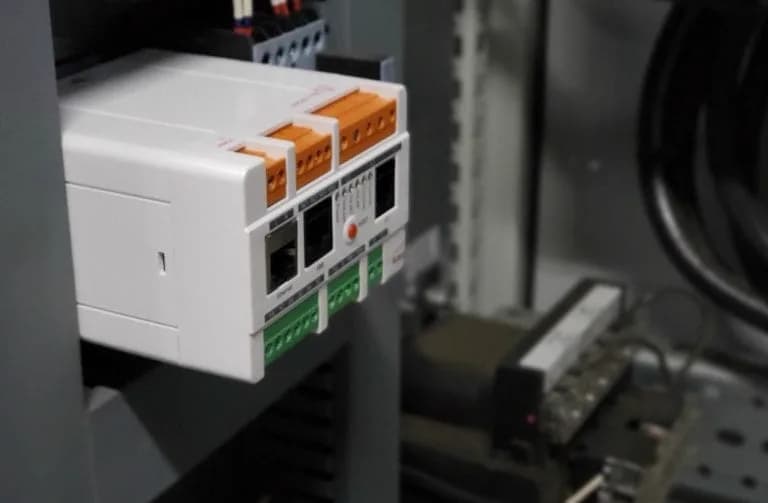
Artesis e-PCM — Generator and Wind Turbine Monitoring
Sensorless monitoring of generators and their prime movers
Read also
7/17/2026
5 typical motor faults: how ESA finds them in 7 minutes
Unbalance, bearings, looseness, winding and rotor faults — how Artesis AMT Pro and e-MCM detect each of the five from the current signature, with no sensors on the machine.
7/17/2026
ESA, MCSA and vibration analysis: what to choose for CHP auxiliary equipment
A comparison of three predictive diagnostic methods for power block pumps, fans and conveyors: when Artesis ESA is enough, when you need Bently Nevada vibration, and how MCSA differs from full ESA.
6/30/2026
Route-Based Motor Diagnostics with Artesis AMT Pro: 50 Machines per Shift
Build a predictive route with portable AMT Pro: 7-minute tests, automatic reports, and how it fits with e-MCM online monitoring on Kazakhstan plants.