
Supply in Kazakhstan
KEG TRK supplies ultrasonic diagnostics solutions (SDT Ultrasound Solutions) across Kazakhstan: Almaty, Astana, Karaganda, Ust-Kamenogorsk, Aktobe and other regions. Official warranty, monitoring system design, installation, commissioning and personnel training.
Mining equipment
Key features
Applications and resources
Industry solutions, landing pages and articles on HATCHecker - Ship Hatch Tightness Testing
Where it is used
Typical tasks
- General cargo ships
- Bulk carriers
- Container ships
- Tankers
- River vessels
- Port inspections
Overview
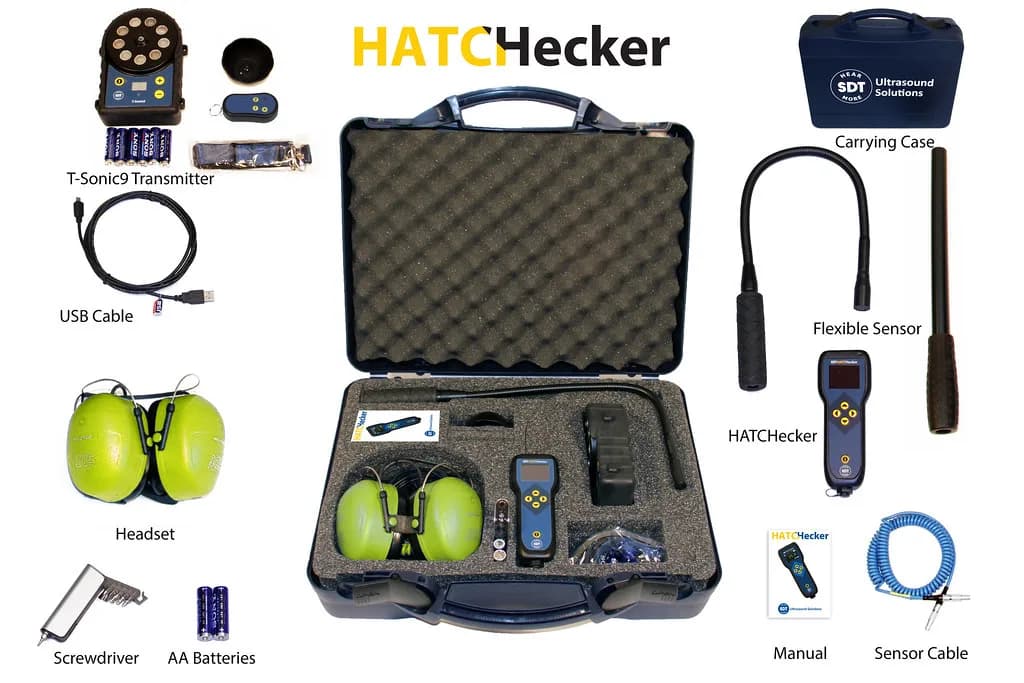
HATCHecker is an ultrasound detector from SDT built for one job: testing the tightness of ship hatches and cargo-hold covers (hatch cover tightness testing). The device and its software are matched to the geometry and working conditions of ship hatches rather than to joint tightness in general.
Why hatch tightness matters
A leaking hatch or hold cover lets water into the cargo hold: cargo is damaged, the hull structure corrodes, and a shifted, waterlogged cargo can cost the vessel its stability. That leads to demurrage penalties and charterer claims, and an insurer can refuse a payout if tightness was never confirmed. Hatch inspection is required under IMO rules, by classification societies (LR, DNV, ABS, Bureau Veritas), and often by cargo owners themselves.
How the test works
The method uses a source and a receiver: an ultrasonic emitter is placed inside the hold with the hatch closed, and HATCHecker scans the seal from outside. Sound does not pass through an intact seal; it leaks through a gap, crack, or worn gasket and is picked up by the detector. The scan report documents where a leak is and how serious it is.
Compared with traditional methods, it's faster and safer:
| Method | Time | Accuracy | Safety |
|---|---|---|---|
| Hose test (water) | 6-12 hours | Low | Fall risk |
| Chalk test | 4-8 hours | Medium | Hazardous substances |
| Ultrasound (HATCHecker) | 1-2 hours | High | Safe |
Testing procedure
Preparation: clean the hatch seals, close and dog down the hatch, place the ultrasonic emitter inside the hold, switch on HATCHecker.
Scanning: work the perimeter of the hatch, check the seals along their full length, then check the cross seals and panel joints separately.
Result per section: tight (no leakage detected), micro-leak (the seal needs maintenance), or leak (immediate repair required).
Where it's used
General cargo ships, bulk carriers (bulk cargo such as grain or ore, sensitive to moisture), container ships, tankers after washing and inspection, river vessels — barges and tugs.
Checks are typically run before loading, after hull repairs or seal replacement, during Port State Control, and at the request of an insurer or charterer.
Certification and reporting
SDT offers a separate Sherlog certification for ultrasonic hatch-tightness testing: crew or a surveyor confirm their qualification and follow a consistent testing procedure. Results are produced through SHERLOG Reporter as a PDF report suitable for submission to a classification society.
Firmware update
SDT added a streaming screen to the Checker series — a continuous signal histogram instead of a single reading. The update is free: download SDT Updater, connect HATCHecker via USB, and run the firmware update.
Checker Range series
HATCHecker is part of SDT's series of specialised detectors:
- LEAKChecker — compressed-air and gas leaks
- LUBEChecker — bearing lubrication control
- TRAPChecker — steam trap testing
- TIGHTChecker — tightness of flanges, housings, and tanks
- HATCHecker — tightness of ship hatches and cargo-hold covers
- ULTRAChecker — universal ultrasound detector
Technical specifications
| Type | Single-purpose detector |
| Application | Ship hatches and cargo-hold covers |
| Display | Real-time histogram |
| Update | SDT Updater software |
| Modes | Default and Streaming screens |
| Standard | International maritime standards |
Applications
Manufacturer
SDT Ultrasound Solutions
Specialised detector for testing the tightness of ship hatches and cargo-hold covers
Key specifications
- Type
- Single-purpose detector
- Application
- Ship hatches and cargo-hold covers
- Display
- Real-time histogram
- Update
- SDT Updater software
- Modes
- Default and Streaming screens
Official supplier in Kazakhstan
Related products
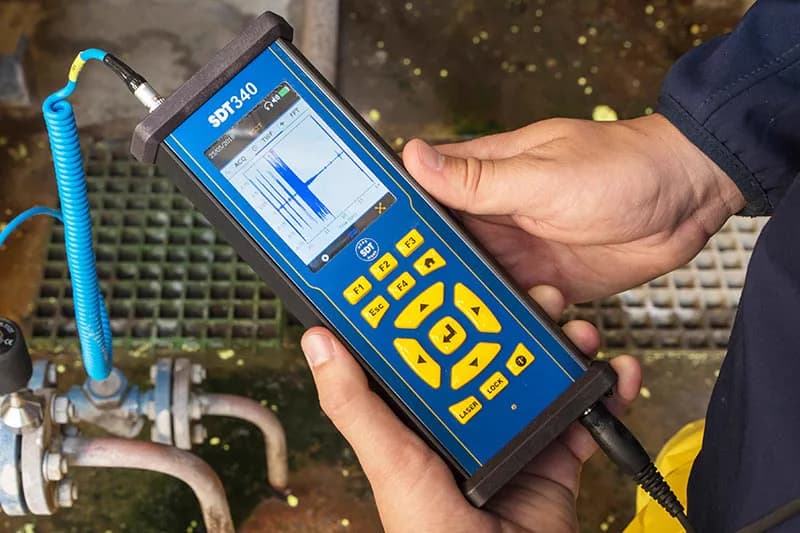
SDT340 - Advanced Ultrasound Detector
The most advanced ultrasound detector for collecting, analysing and trending data
- 20 kHz to 50 kHz
- 10 Hz to 10 kHz
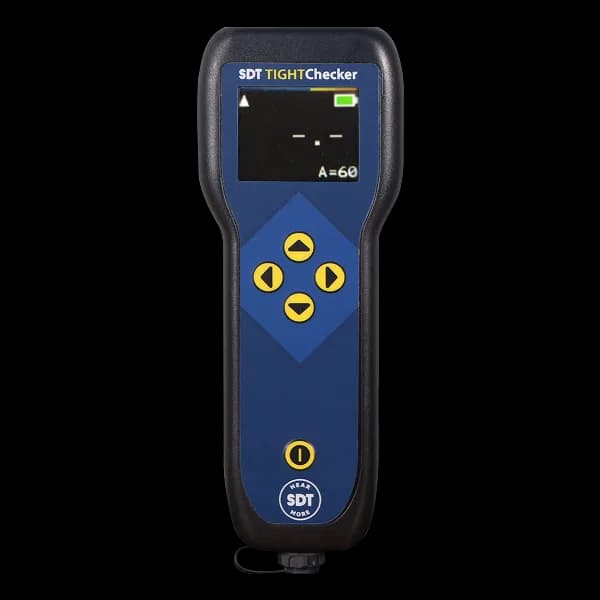
TIGHTChecker - Tightness Testing
Detector plus ultrasonic transmitter kit for tightness testing of vessels, seals and enclosures
- Tightness testing kit
- Tightness testing of seals, vessels and enclosures
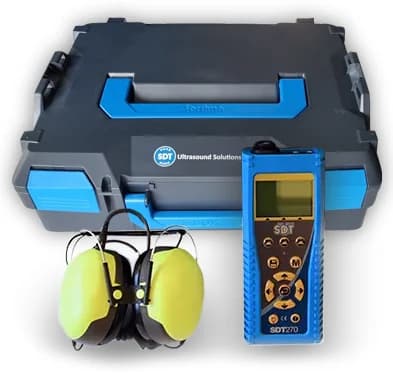
SDT270 — SDT Ultrasound Detector and Data Collector
Handheld SDT ultrasound data collector: 2 channels, up to 100 kHz bandwidth, built-in IR thermometer and laser tachometer, ICP accelerometer input, signal recording for analysis in UAS3. ATEX version available.
- up to 100 kHz (ultrasound bandwidth)
- 256 kSps, 16-bit ADC; recording at 8 kSps (heterodyned)
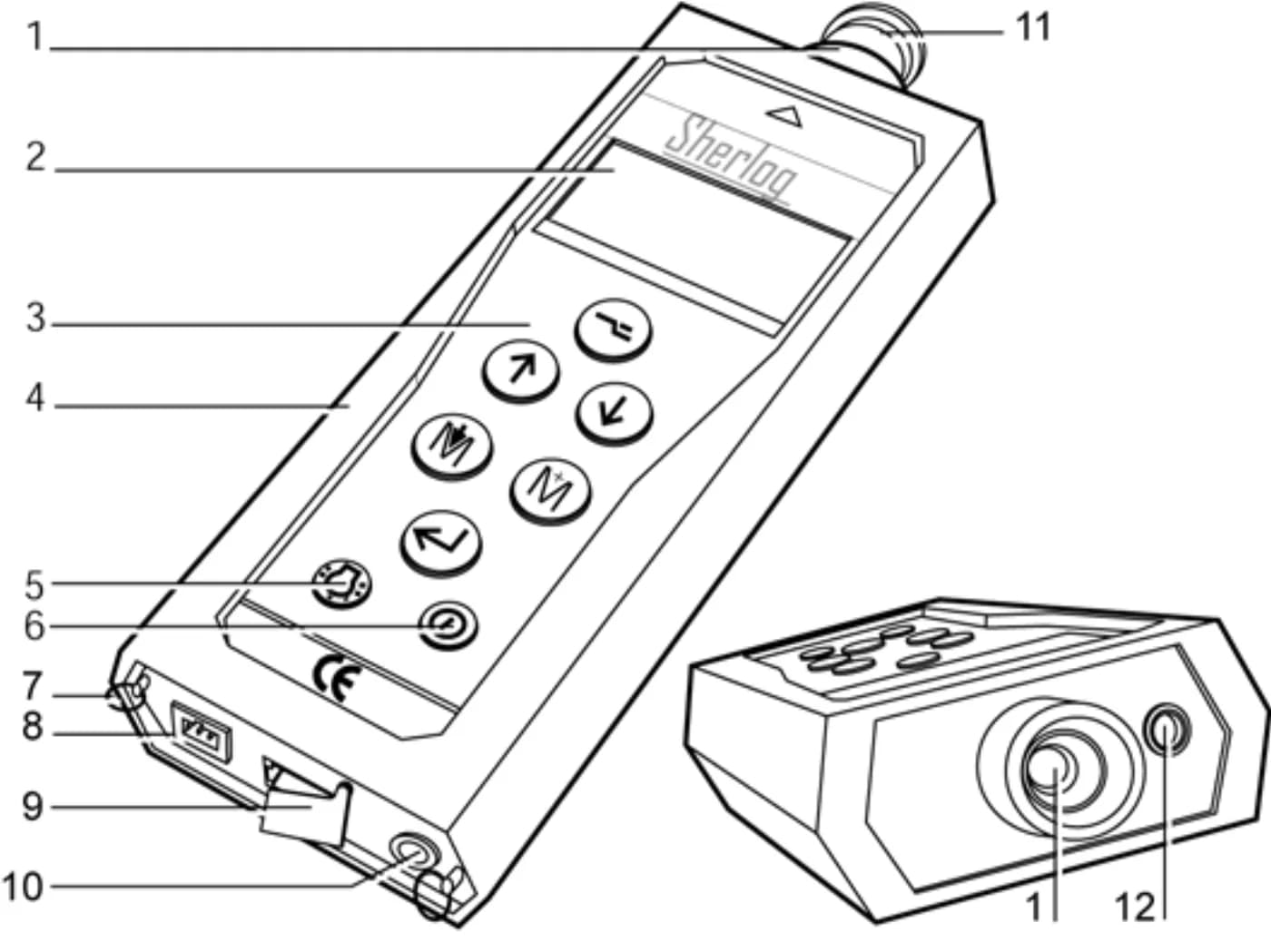
SDT Sherlog TA - Ultrasound Detector for Hatch Tightness Testing (Discontinued)
Stand-alone ultrasound detector and multi-transmitter for ship hatch cover tightness testing, now discontinued. Its function today is covered by HATCHecker, SDT270/SDT340 and SHERLOGReporter
- 40 kHz ± 1 kHz (built-in and flexible sensors)
- Backlit graphic LCD
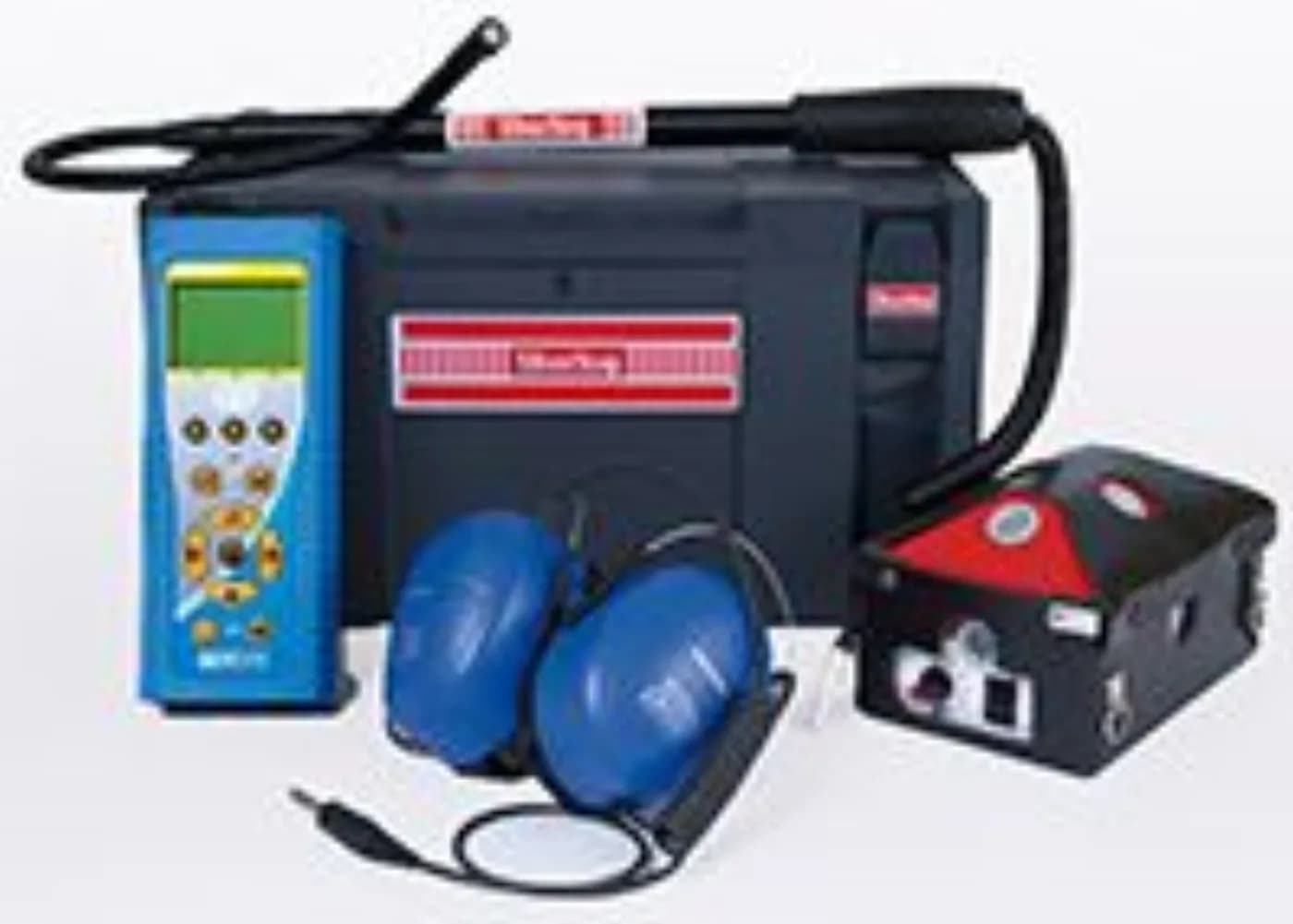
SDT Master - Sherlog Kit MASTER for Hatch Tightness Testing (Discontinued)
The flagship Sherlog Kit MASTER, an SDT270-based kit for ultrasonic ship hatch cover tightness testing with instant report generation, now discontinued. Its function today is covered by HATCHecker, SDT270/SDT340 and SHERLOGReporter
- SDT270 — the top-tier receiver in the SDT line, with extended reporting logic
- SDT 8 MS — multi-transmitter, 8 emitters × 125 mW, 39.2/39.6 kHz
Need advice?
Our specialists will help you choose the optimal HATCHecker - Ship Hatch Tightness Testing configuration for your equipment.
Related articles
All articles →
What compressed air leaks cost: a step-by-step calculation
Leak cost = air flow × operating hours × compressor specific energy × tariff. A flow table by orifice diameter and pressure, a worked example and how to use your own tariff.

How to test a steam trap: ultrasound and temperature
A steam trap is tested with two readings: temperature finds blocked traps, ultrasound before and after the trap finds steam blow-through. Signs by trap type, the procedure and steam losses.
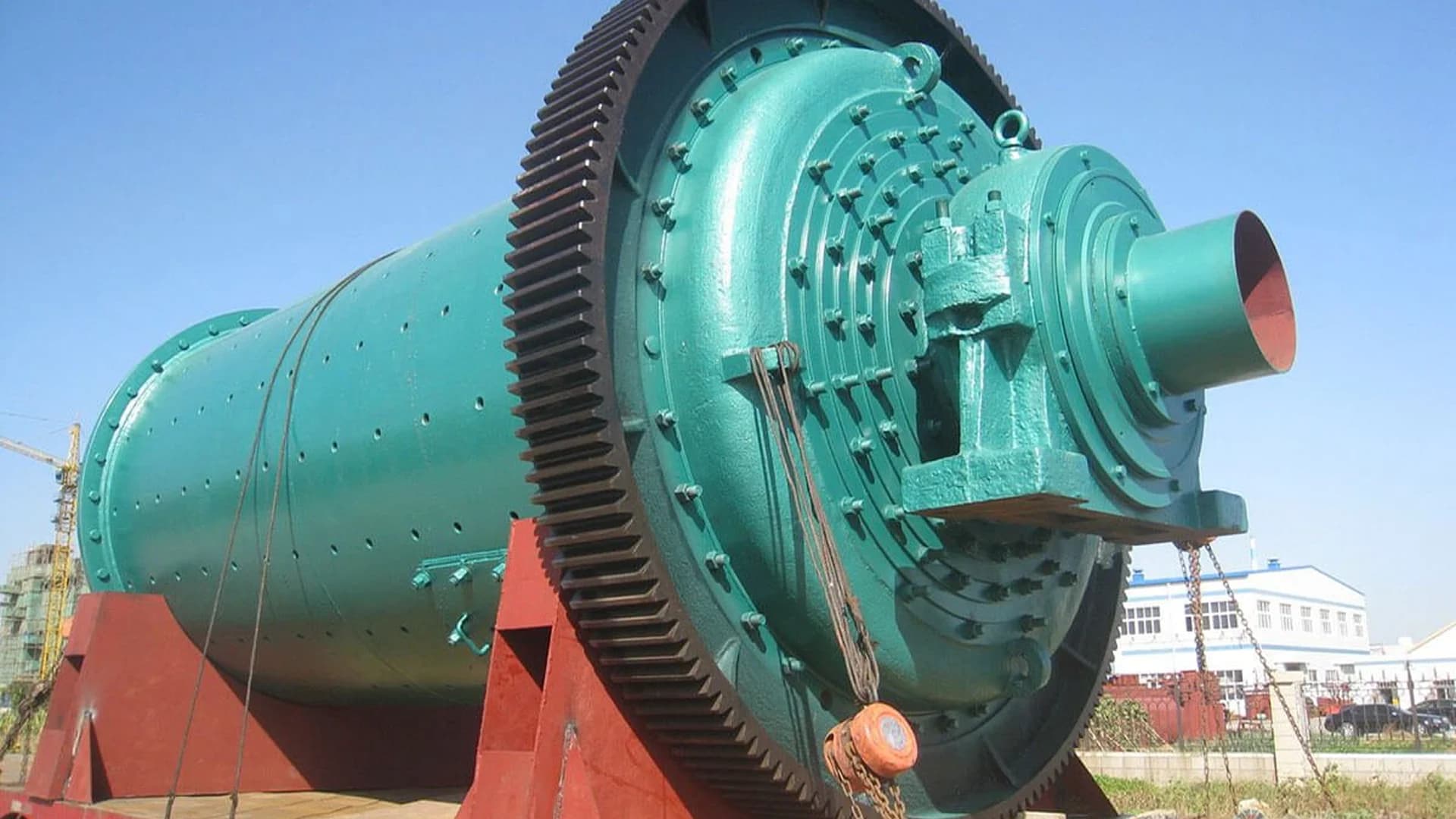
Ultrasound at low speeds: how to diagnose a gearbox running at 0.1 rpm
Vibration analysis below 10 rpm often leads to wrong conclusions. A real case: a broken gear tooth at 2.95 rpm caught by the SDT340 where the vibration FFT could not help.

Partial Discharge in Switchgear and Substations: Hearing a Breakdown Before It Happens
Corona, tracking and partial discharge silently destroy switchgear, transformer and cable-joint insulation for months before a flashover. How ultrasound and UV inspection catch insulation defects from a safe distance.
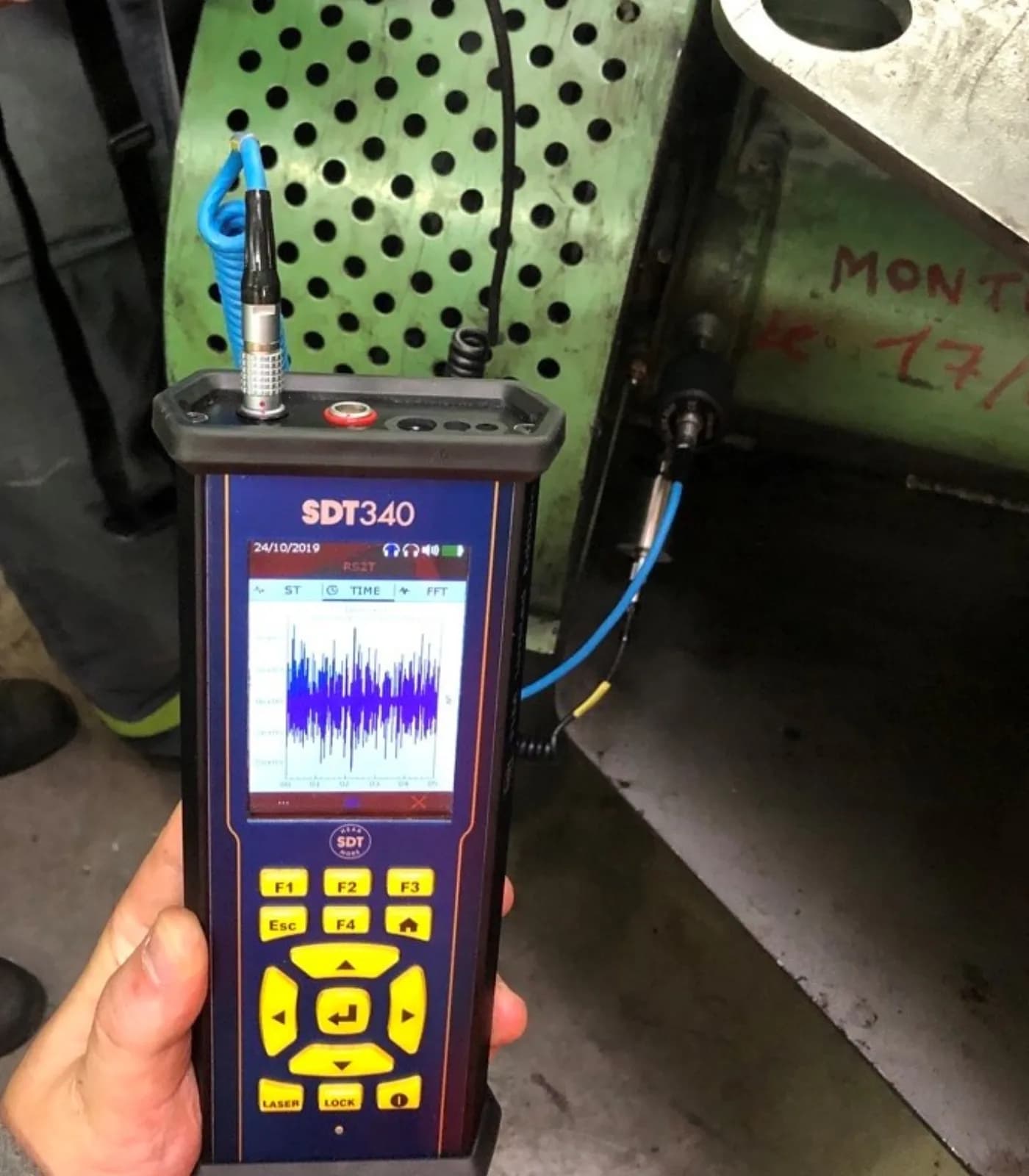
Ultrasound Inspection: A Beginner's Guide
How ultrasound condition monitoring works, what it finds across SDT's eight application areas, which instrument to choose and how to build an inspection programme.